
Current Inflation Trends in Morocco
Inflation in Morocco currently remains moderate, and this trend is expected to persist until the end of the current year. However, this period of stability is likely to be short-lived, as a significant increase in prices is anticipated starting in 2027. Throughout the first eight months of 2026, the rise in prices has remained at a notably low average of just 0.3%, according to the High Commission for Planning (HCP). This moderation in inflation is primarily attributed to a decline in the prices of certain food products, which has exerted downward pressure on the overall consumer price index during this period.
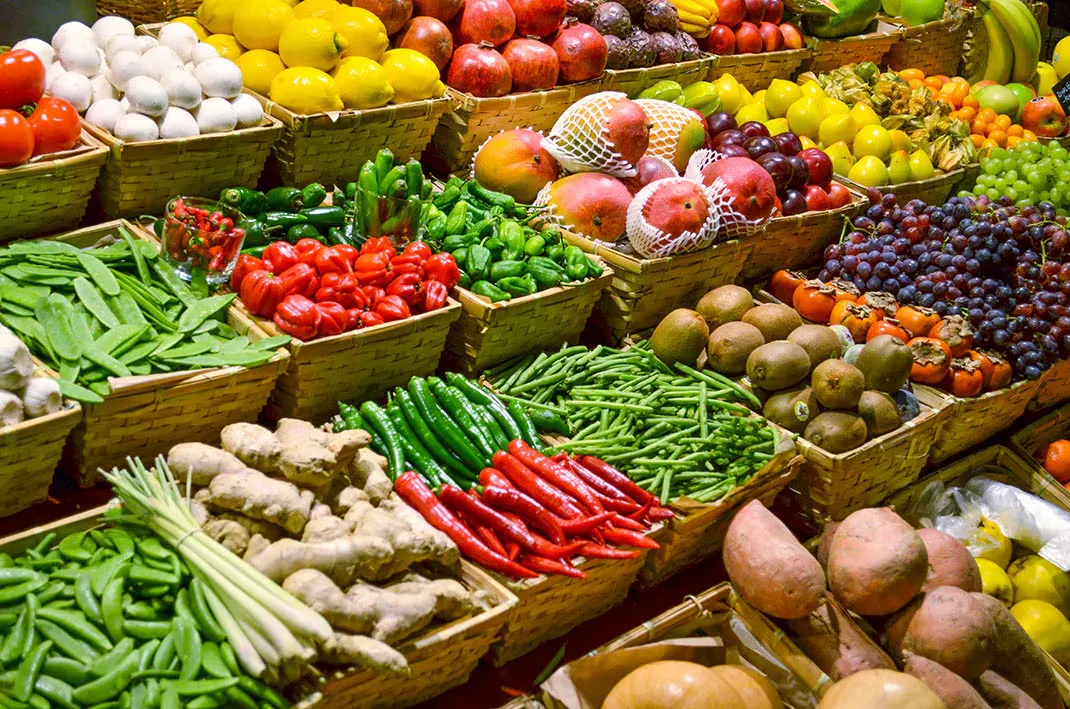
This trend is further supported by forecasts from BMI/Fitch Solutions, indicating a substantial shift in the food component of inflation. The food sector, which constitutes over 38% of the average Moroccan household's expenditure basket, experienced a change from a year-on-year increase of 2% in the first half of 2025 to a deflation rate of -1% in the first half of 2026. Consequently, the overall inflation rate for the entire year of 2026 is expected to average around 0.7%.
Future Projections and Risks
Despite the current stability, the central bank anticipates that inflation will accelerate in 2027, reaching approximately 1.5%. This increase will primarily be driven by the underlying components of the index, which exclude volatile prices and regulated tariffs. The underlying inflation component is projected to show a significant increase, rising from -0.2% this year to 2.2% in 2027. According to Bank Al-Maghrib, two main factors contribute to this anticipated evolution: the waning impact of the contraction in food components, particularly the prices of olive oil, and the persistence of imported inflation at a relatively high level.
Moreover, BMI/Fitch Solutions concurs with this outlook, highlighting that the effects of good cereal harvests, which have led to the observed decline in food prices since the beginning of the year, are expected to diminish as early as the fourth quarter of 2026. Potential risks that could disrupt this moderate trajectory include exchange rate fluctuations and adverse climatic conditions.
This research provider, specializing in risk assessment and opportunities in global markets, particularly in emerging and frontier economies, identifies Morocco as one of the economies where a weaker-than-expected currency could exacerbate inflationary pressures due to a more flexible exchange rate regime compared to countries pegged to the dollar. Additionally, they note that Morocco may face lower domestic agricultural production if weather conditions deteriorate in 2027, which is a separate concern from the general risk associated with global food price fluctuations.
On this note, it is important to recognize that Morocco remains reliant on food imports. A renewed surge in global prices, potentially linked to El Niño, could push inflation beyond current forecasts. Furthermore, escalations in the Russo-Ukrainian conflict pose additional risks for importing nations like Morocco, as they could disrupt Black Sea grain supplies.
Despite the expected acceleration of inflation, BMI/Fitch Solutions predicts that Bank Al-Maghrib will keep its key interest rates unchanged until the end of 2027. The inflation rate is expected to stay below the 2% threshold, which, according to the international firm, indicates little pressure for monetary tightening. This scenario is supported by Bank Al-Maghrib's historical record, which shows that since 1995, the institution has only entered two cycles of rate increases: one in 2008-2009 and another in 2022-2024, both occurring when inflation in the preceding quarter averaged 4.4% and 8.3%, respectively. Given the anticipated levels of 0.7% in 2026 and 1.5% in 2027 as per Bank Al-Maghrib, these historical thresholds for initiating monetary tightening remain significantly out of reach, reinforcing the hypothesis of a prolonged status quo regarding the key interest rate.
As reported by fr.le360.ma.