Transforming Agriculture through Desalination
Morocco is redefining its agricultural landscape by integrating a multifaceted strategy that combines water infrastructure, desalination technology, renewable energy, and modernization of irrigation systems to ensure a reliable supply of drinking water for rural production in arid regions. In a country where agriculture represents nearly 15% of the national economy and provides employment for about 40% of the active population, particularly in rural areas, the reliance on rainfall is no longer a viable option. Instead, Morocco has turned its gaze toward the ocean, employing desalination as a means to transform salty seawater into a crucial resource for agriculture. This shift has sparked a silent yet profound transformation, enabling the cultivation of crops in areas previously considered inhospitable for farming.
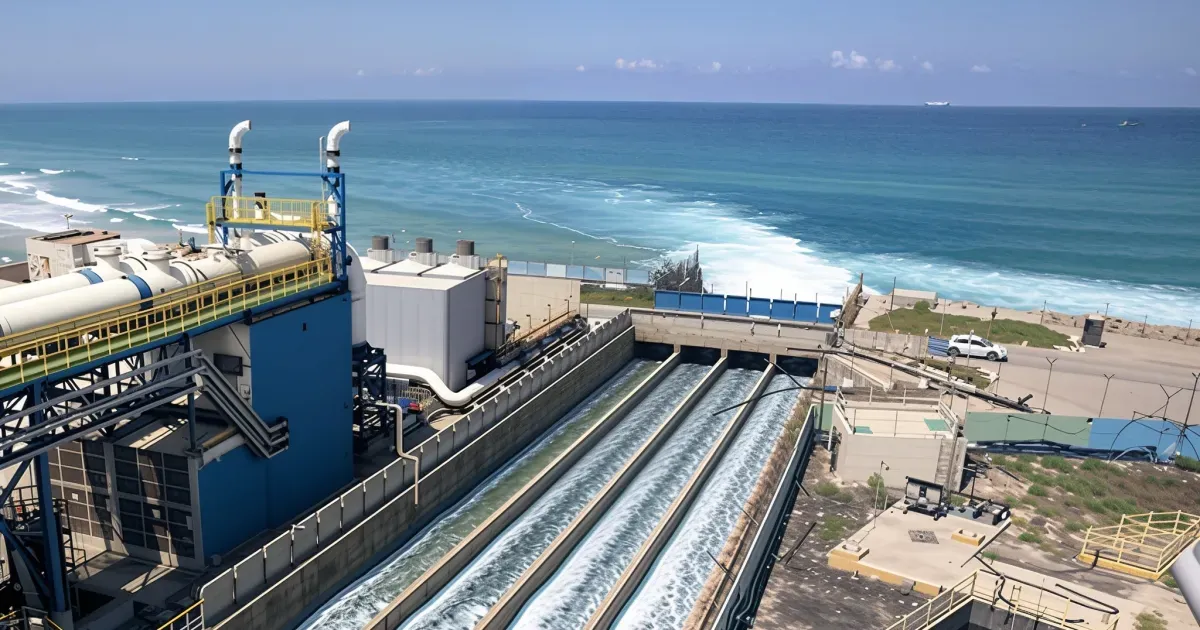
Currently, Morocco boasts 17 operational desalination plants along its Atlantic and Mediterranean coasts, with additional facilities under construction and more planned for the near future. The construction of these plants has ensured a stable water supply for agricultural zones, diminishing dependence on unpredictable rainfall. This newfound reliability has given farmers the confidence to invest in their crops, opening up new opportunities in regions where farming was once a gamble.
Addressing Water Scarcity and Agricultural Efficiency
The agricultural sector is a significant consumer of water in Morocco, utilizing around 80% of the country's available water resources. Despite only 20% to 25% of cultivated land being irrigated, these irrigated areas contribute approximately 65% of the total economic value of Moroccan agriculture, underscoring the strategic importance of ensuring a stable water supply. The decline in precipitation in recent years has severely impacted cereal production, resulting in a reduction of nearly 60% and necessitating increased imports to meet domestic demand. With about 9.6 million hectares of agricultural land, Morocco faces the challenge of having 15% to 20% of these lands left uncultivated annually due to water scarcity or adverse climatic conditions.
To enhance agricultural efficiency, the Moroccan government is promoting the installation of modern irrigation systems across approximately 555,000 hectares, aiming for more than half of irrigated areas to utilize advanced technologies such as drip and sprinkler irrigation. Notably, reverse osmosis desalination has emerged as a key tool to provide quality water for agricultural use in arid regions. By 2030, it is anticipated that 50% of the country's drinking water supply will derive from desalination. The ongoing state plan includes large-scale hydraulic projects, treated wastewater reuse, and inter-basin transfers to balance territorial water availability. Furthermore, Morocco has allocated around $4 billion to water infrastructure investments to bolster food security and sustain rural activities over the long term.
In addition, the incorporation of renewable energy sources within desalination plants is a vital component of this strategy, with solar and wind energy being harnessed to reduce costs and minimize the environmental impact of the desalination process. However, the strategy also prompts discussions regarding crop choices, as intensive water-consuming crops like avocados have seen increased cultivation, raising questions about efficient resource use. Despite these challenges, Morocco remains committed to innovation, striving to transform its desert regions into viable agricultural frontiers. Through strategic planning, advanced technology, and adequate financing, Morocco is working to establish a more stable production model in the face of changing climatic conditions.
As reported by rionegro.com.ar.