
Revolutionizing Water Management in Morocco
In a bold move to combat the ongoing challenges of water scarcity, Morocco is shifting its strategy from merely searching for new water sources or constructing additional dams to a comprehensive and ambitious initiative aimed at enhancing interconnectivity among its river basins. This innovative approach has been aptly termed the "Water Motorway," which seeks to efficiently transfer water from regions with abundant resources to those that are experiencing significant pressures. As highlighted by Spanish news outlet Atalayar, a key project within this strategy is a nearly 300-kilometer pipeline connecting the Sebou and Oum Er-Rbia catchment areas. This link is projected to facilitate the transportation of up to 800 million cubic meters of water annually, which will not only bolster drinking water supplies for key urban areas such as Settat, Berrechid, and southern Casablanca but also irrigate approximately 176,000 hectares within the Oum Er-Rbia basin.
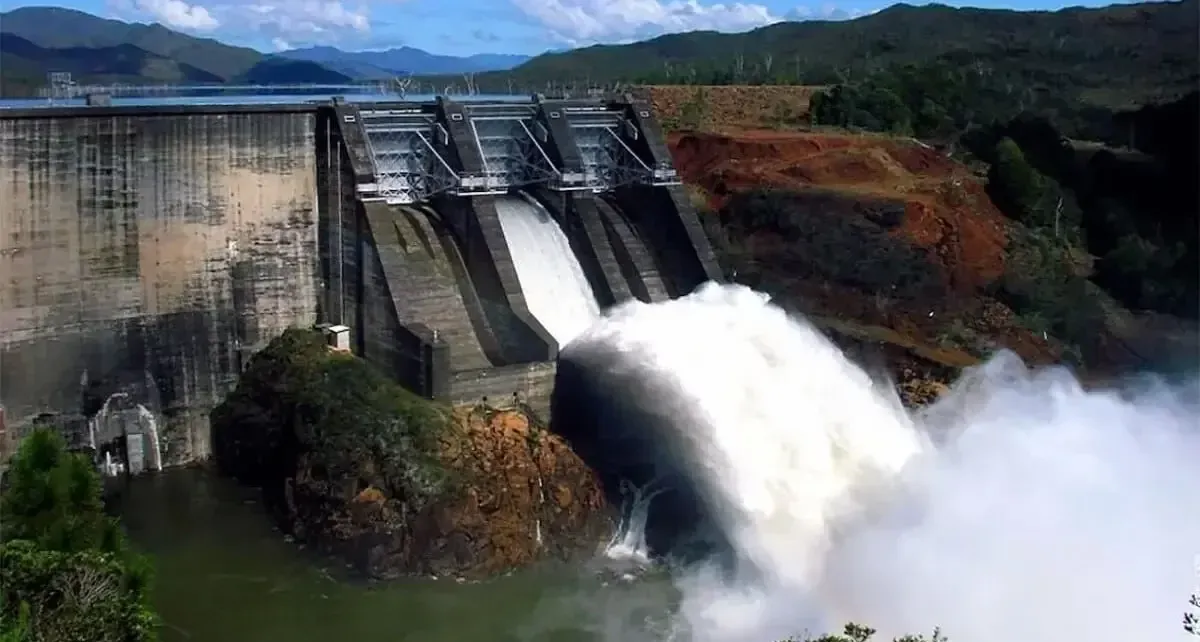
The Water Motorway initiative builds on the foundation laid by Morocco's first major inter-basin transfer system, which connects the Sebou and Bouregreg basins. This earlier project became operational in August 2023 after commencing construction in December 2022. It has significantly surpassed initial forecasts, raising its flow rate from an initial 3 cubic meters per second to an impressive 15, ultimately providing over 560 million cubic meters of water each year. This enhanced supply has played a crucial role in replenishing the Sidi Mohammed Ben Abdellah dam and alleviating pressure on the Al Massira dam.
Strategic Investments for Sustainable Water Solutions
According to Rachid Sari, the director of the African Centre for Strategic Studies, Morocco is uniquely positioned to implement such transformative water management projects, as its river systems and valleys exist entirely within its national borders. This geographic advantage allows for effective management and redistribution of water resources, which is vital for safeguarding agricultural productivity and mitigating the economic impacts of water shortages on local communities. The Sebou-Oum Er-Rbia link has the potential to extend its reach to the Al Massira dam, thereby increasing the total water transfer capacity to an impressive 1.2 billion cubic meters annually.
This ambitious strategy is part of Morocco's National Program for Drinking Water Supply and Irrigation, which is underpinned by a substantial investment of over 130 billion dirhams. The program encompasses not only the development of new dams and desalination plants, but also wastewater reuse initiatives and measures to minimize distribution losses. As noted by Atalayar, the increasing unpredictability of rainfall patterns due to climate change, along with escalating water demand, underscores the urgency of transitioning from a focus on mere water acquisition to ensuring that water is delivered efficiently and effectively where it is needed most. Together, the comprehensive array of solutions—including dams, inter-basin transfers, desalination, and water reclamation—constitutes a robust framework that Morocco is constructing to withstand future droughts and secure its water future.
As reported by northafricapost.com.