
Escalating Deportations and Human Rights Concerns
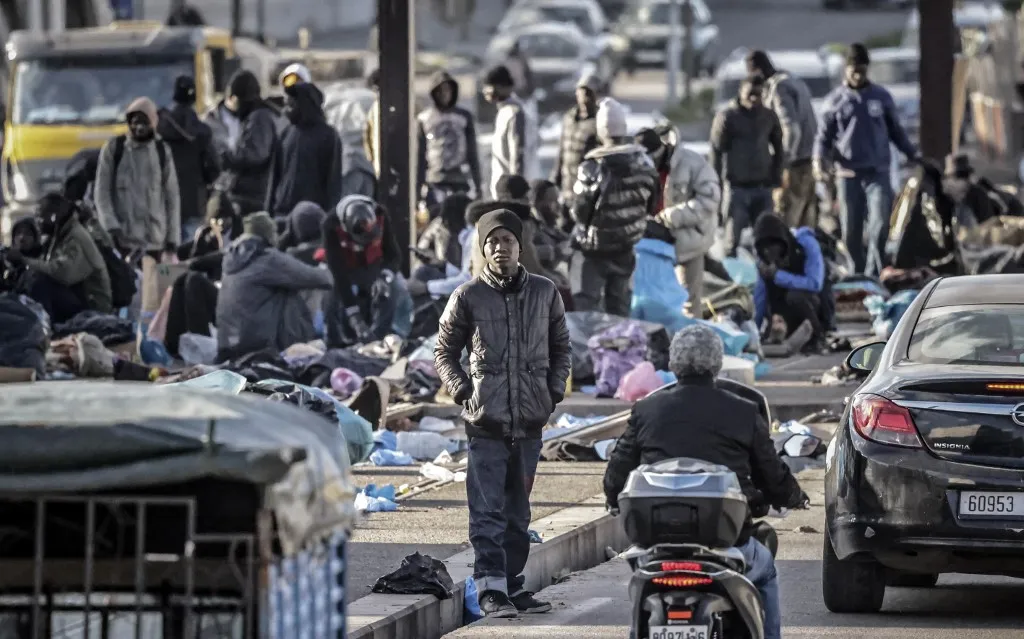
Since mid-April, Morocco has ramped up its deportation efforts targeting sub-Saharan Africans attempting to migrate to Europe, with reports indicating that over 100 individuals are arrested daily. Local sources reveal that approximately 800 people have been detained during coordinated raids in the forests near Fnideq and Belyounech, located at the northern edge of Morocco. These areas have become temporary shelters for migrants preparing to embark on their journey to Europe. The ongoing operations have now shifted focus to Tangier and other nearby regions.
Eyewitness accounts detail a disturbing pattern of mass arrests, physical abuse, and instances of racial discrimination, coupled with forced relocations towards the Algerian border. Detainees from Sudan and Chad have reportedly been bused south and abandoned near border areas, while migrants from Senegal, Mali, Mauritania, Burkina Faso, and Guinea are being deported via flights from Casablanca. This crackdown aligns with the European Union's increased collaboration with Morocco, part of the bloc's strategy to externalize its borders and manage migration flows effectively.
The EU's Role in Morocco's Migration Policies
The European Union has intensified its cooperation with Morocco under its new Pact on Migration and Asylum, which aims to overhaul immigration systems and expedite deportation processes. The EU has allocated over €900 million to strengthen migration control and surveillance in North African countries, a move criticized for outsourcing immigration enforcement to nations with questionable human rights records. Journalists and activists have noted that the EU seeks to limit migrants' mobility as far along their journey as possible, effectively attempting to control borders without directly engaging in enforcement themselves.
Morocco serves as a major transit point for many sub-Saharan Africans, who often risk perilous journeys across the Sahara and through Libya to reach the Mediterranean. Humanitarian efforts frequently encounter obstacles as Moroccan authorities systematically dismantle makeshift camps and expel migrants. The tragic consequences of these actions have been highlighted by testimonies from those who survived brutal encounters with security forces, including reports of being left without food or water near the Algerian border. These actions reflect a broader trend of increasing militarization and securitization of migration policies across Europe and its neighboring regions.
As reported by middleeasteye.net.