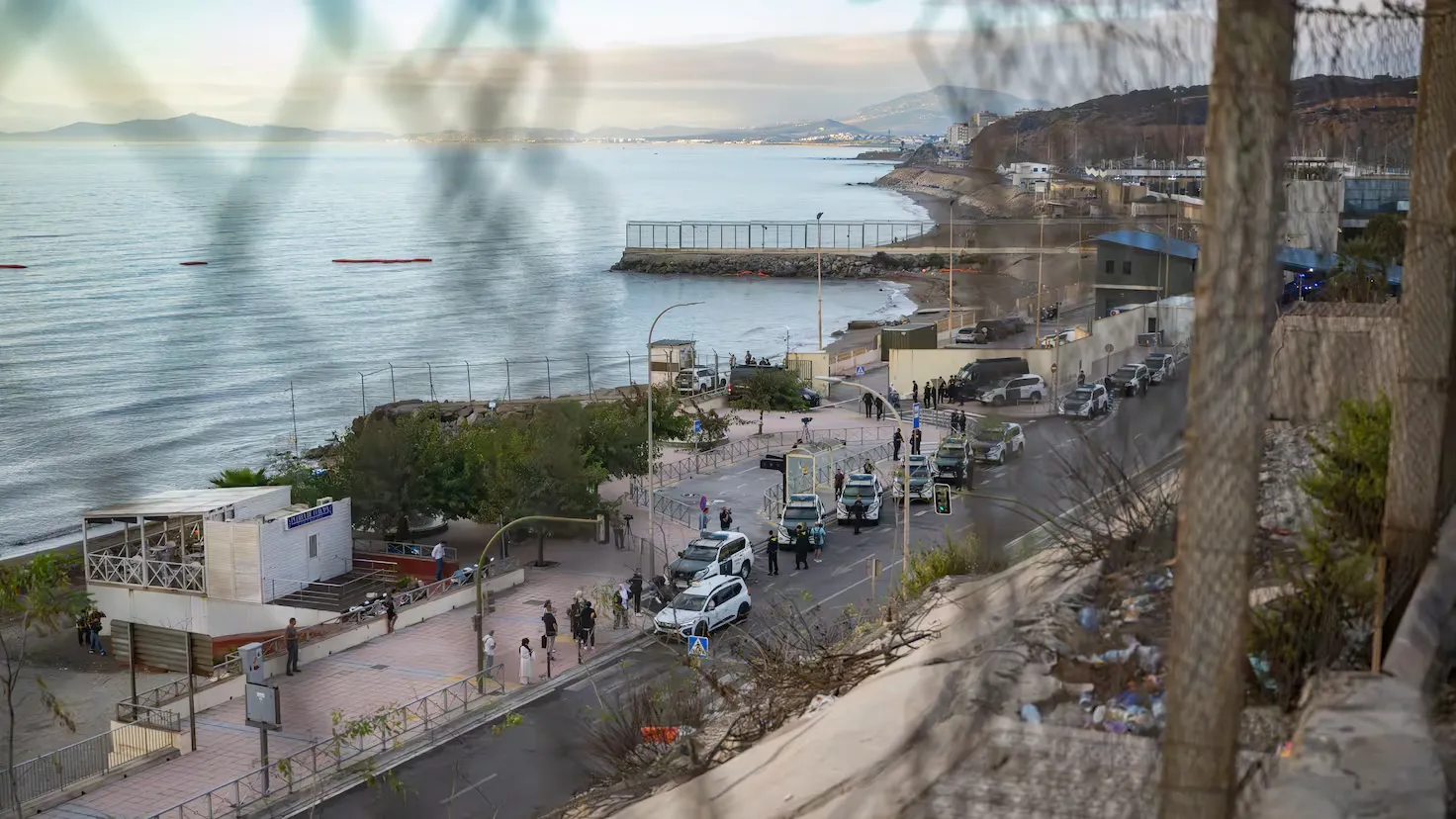

Overview of the Ceuta Migration Crisis
In late July 2026, the small Spanish enclave of Ceuta faced an unprecedented migration crisis, witnessing the arrival of over 70,000 migrants from Morocco. However, this influx was not the only pressing issue at hand. A recent investigation reported that the crisis was compounded by significant naval incidents that escalated tensions between Spain and Morocco. According to the findings published in El País, Moroccan naval vessels, including at least one frigate and several patrol boats, unauthorizedly navigated through waters that Spain claims as its territorial sea on the 30th and 31st of July, and again in the early days of August. These incursions were characterized as deliberate actions rather than accidental occurrences, representing a direct challenge to Spain’s sovereignty.
Government Response and Diplomatic Efforts
Pedro Sánchez, the President of the Spanish Government, acknowledged these naval violations during an informal conversation with journalists at a reception celebrating Spain's National Day. He described the days surrounding the migrant influx and military tensions as "difficult," yet emphasized that diplomatic dialogue at the highest levels effectively resolved the situation. Sánchez was cautious not to criticize Moroccan King Mohammed VI, stating that the bilateral relations with Morocco are crucial for Spain, particularly regarding counter-terrorism and drug trafficking issues. He reiterated that Spain seeks to build constructive relationships rather than engage in destructive politics.
In response to the heightened tensions, the Spanish military quickly reinforced its operational presence in the region. The Spanish Navy deployed the Maritime Action Ship Rayo from the Canary Islands, followed by the frigates Santa María and Navarra from the Naval Base of Rota. The primary mission of these vessels was to enhance surveillance, ensure Spanish presence in the region, and deter further Moroccan incursions. Reports indicate that the tension was so high that the movements of these naval vessels nearly led to direct incidents between the military forces of both nations. Ultimately, a combination of Spanish naval deployments and diplomatic negotiations orchestrated by the Ministry of Defense successfully curtailed the unauthorized entries of Moroccan ships.
As reported by as.com.