
Morocco Faces Challenges in Governance Amid Electoral Disinterest
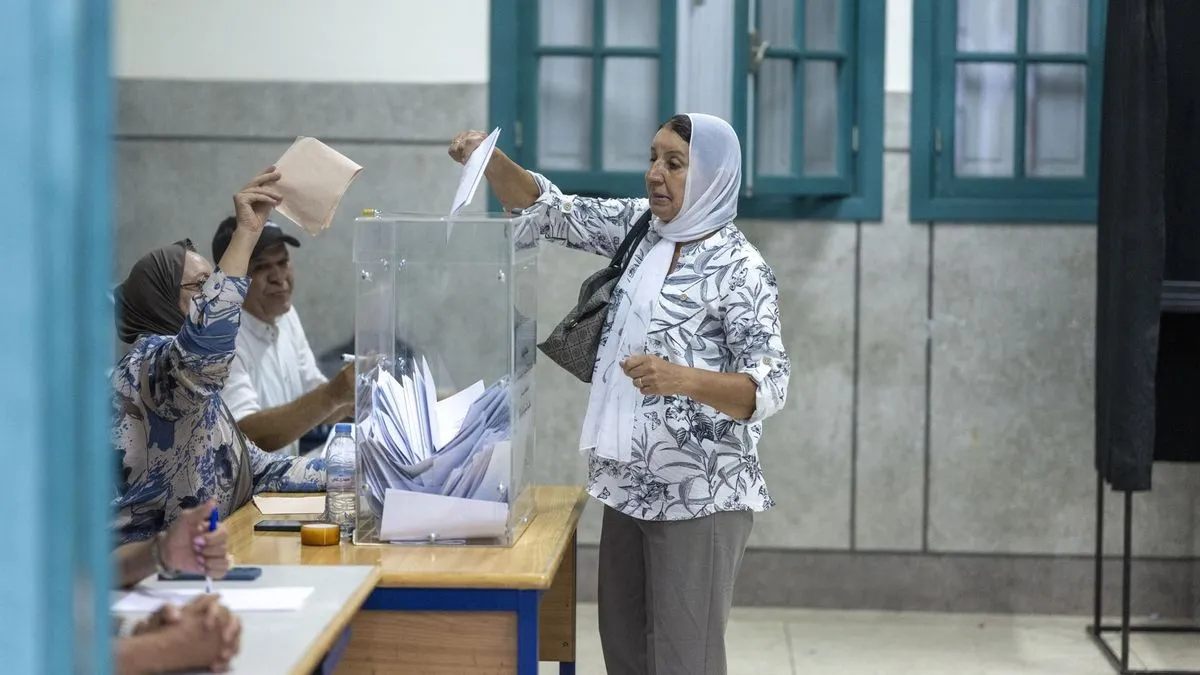
The recent elections in Morocco, marked by a significant victory for the Authenticity and Modernity Party (PAM), have unveiled a troubling trend of electoral apathy. The PAM secured 97 out of 395 seats in the House of Representatives but will face the challenge of forming a coalition government due to a fragmented vote, with 28 parties competing for seats. This electoral scenario underscores a broader crisis in public trust, as evidenced by the alarming levels of abstention, particularly among young voters, and the underrepresentation of women in the electoral process.
As the PAM prepares to navigate this complex political landscape, it must address the underlying issues contributing to voter disillusionment. The stark statistics regarding voter turnout reveal a populace increasingly disengaged from the democratic process, raising questions about the legitimacy and effectiveness of the upcoming government. The lack of youth participation and the minimal representation of women suggest that the forthcoming administration will need to implement strategies that not only restore confidence in elections but also engage these crucial demographics more effectively.
The path ahead for the PAM and its coalition partners will be fraught with challenges, as they seek to balance diverse political interests while addressing the pressing needs of the Moroccan populace. Economic reforms, social justice initiatives, and efforts to enhance civic engagement will be critical in rebuilding trust and ensuring a more inclusive political environment. The coming months will be pivotal in shaping Morocco's governance and its capacity to attract substantial investments, vital for fostering economic growth and stability.
As reported by infolibre.es.