
Moroccan Justice Minister's Sharp Critique of Spain's Migration Approach
On Wednesday, Moroccan Justice Minister Abdellatif Ouahbi publicly criticized Spain for what he perceives as its acceptance of migrants, asserting that Morocco is actively working to prevent their departure from its borders. He further warned that Morocco might suspend the extradition agreement with Spain due to a lack of reciprocity from Spanish authorities. In a telephone interview with EFE, Ouahbi expressed his frustrations regarding the current state of migration management between the two neighboring countries, emphasizing that while Morocco is taking steps to halt the flow of immigrants, many are still accepted into Spain, where their status is regularized. He lamented, "We prevent the exit of immigrants, not just Moroccans but also others, yet when they arrive in Spain, they are accepted. Why don't we accept them too and become angels, as they wish us to be?" This statement raises critical questions about the duality of immigration policies between Morocco and Spain.
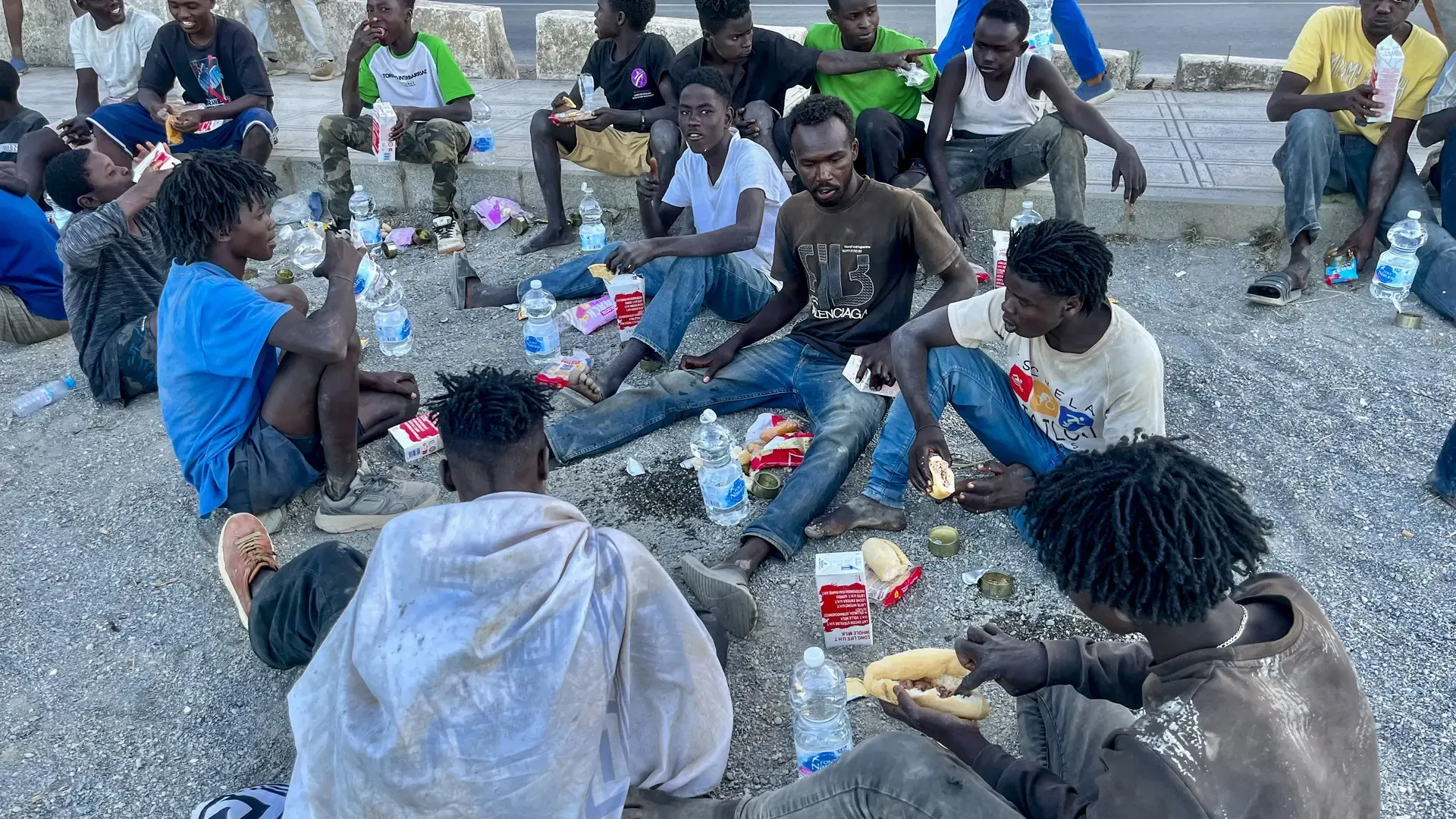
Ouahbi also highlighted the troubling contradiction that arises when Spain publicly announces its willingness to accept all migrants, yet Morocco is left to manage the influx at its borders. He pointed out the absurdity of the situation, asking rhetorically, "If Spain is ready to receive them, why do we force people to jump over barriers and risk their lives at sea?" This sentiment resonates with some sub-Saharan migrants who, having been detained by Moroccan authorities, question why they are being stopped if Spain is prepared to offer them sanctuary. The minister's comments come in the wake of a significant migration surge in Ceuta, which peaked on July 30, when thousands attempted to enter Spain, a situation that Morocco attributes to Spain's recent Supreme Court ruling that prohibits 'hot returns' of migrants intercepted at sea.
Call for the Return of Unaccompanied Minors and Future of Extradition
In addition to addressing migration policies, Ouahbi reiterated Morocco's request for Spain to return unaccompanied Moroccan minors who remain in Ceuta and other parts of the country following the recent influx. He stressed the urgency of this matter, stating, "We want all our children back. The school year is approaching, and the children need to return to their schools." The minister expressed concern for the welfare of these minors in Spain, citing reports of violations and assaults, emphasizing that the responsibility for their protection lies with the state. He made a poignant plea to Spain: "Return our minors to us."
Furthermore, Ouahbi announced that Morocco is prepared to identify over 80 bodies of migrants recovered by Spanish authorities, which remain in Ceuta following the recent migration crisis. He assured that Moroccan security services possess the necessary resources to conduct investigations and will reach out to families to confirm the identities of the deceased. He stated, "These are the bodies of our children. We will receive them and will not refuse to take responsibility for them." In a broader context, Ouahbi characterized Spain as a "friendly country" and expressed Morocco's willingness to collaborate on a long-term action plan with Madrid to resolve the migration issue, potentially through new bilateral agreements if required.
In a separate but related matter, the Moroccan minister indicated that his department is contemplating the suspension of the extradition agreement with Spain due to ongoing challenges encountered in the process of extraditing criminals sought by Moroccan courts. "We are currently discussing the possibility of suspending the implementation of the extradition agreement between Morocco and Spain," Ouahbi stated, although he did not cite specific instances of these difficulties. He explained that while Moroccan requests for extradition are initiated with the detention of suspects in Spain, complications frequently arise leading to non-compliance, with Spanish authorities sometimes claiming that the individuals are free. Ouahbi urged Spain to treat extradition and repatriation processes with seriousness, asserting that Morocco fulfills its obligations regarding the return of individuals requested by Spanish authorities. He concluded with a stark warning: "If Spain does not wish to respect the delivery and repatriation procedures, we may consider suspending these agreements."
As reported by heraldo.es.