
King Mohammed VI Calls for Youth-Centric Policies in Morocco
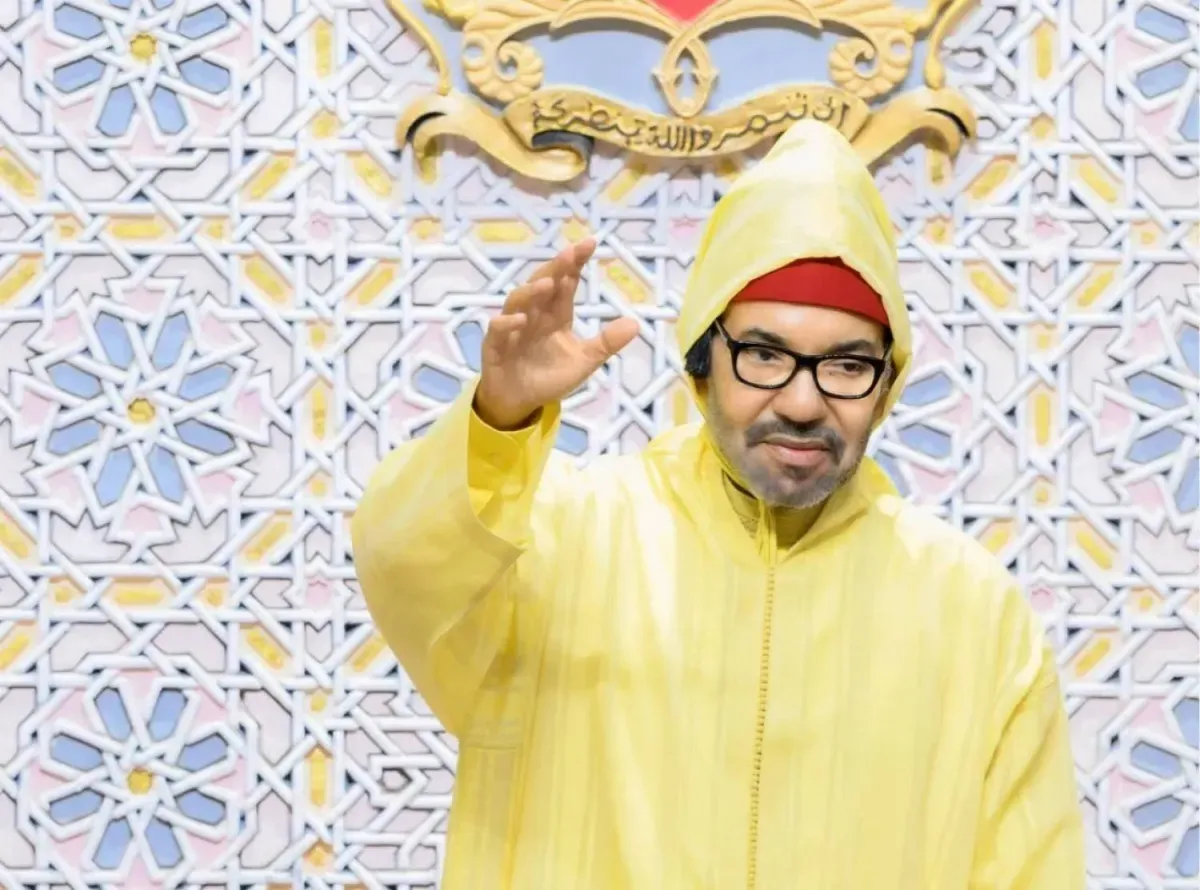
In a significant address delivered in Rabat, King Mohammed VI of Morocco underscored the need for the new parliamentary and government term to serve as a pivotal moment in Morocco's ambition to establish itself as a rising and trusted economic power. He articulated a vision where economic growth is harmoniously balanced with enhanced social equity, particularly emphasizing that youth issues must take precedence in public policy agendas. This call to action comes as the nation seeks to leverage its achievements across various sectors and capitalize on the unique opportunities presented by this new legislative term.
During the opening session of the first legislative year of the 12th parliamentary term, the King expressed optimism about the potential for transformative change. He congratulated the newly elected members of the House of Representatives and urged them to adopt an integrated approach towards youth issues. This approach should facilitate equal opportunities in education, training, and economic inclusion, thereby fostering a sense of hope and confidence among the youth regarding their future prospects in Morocco.
King Mohammed VI highlighted the importance of territorial governance, stressing that the primary challenge ahead is to engage deeply with local communities to identify and address their specific needs realistically. He pointed out that effective integrated development, coupled with improved public services and productive investments, hinges on the successful implementation of administrative decentralization and advanced regionalization.
Furthermore, he warned that any delays in executing the Decentralization Charter would jeopardize both economic and social development initiatives, as well as fail to address the pressing concerns of citizens. He called for immediate action to delegate necessary powers and resources from the central administration to regional authorities, thus empowering them to make decisions and implement projects that cater to local needs.
In discussing economic strategies, the King urged the acceleration of infrastructure projects and the introduction of innovative strategies focused on water, energy, food security, and the digital economy. He emphasized the vital role of the private sector as a key player in Morocco's developmental transformation, advocating for increased initiative and capacity to generate employment, invest, and export.
On the subject of migration, particularly referencing recent tensions with Spain, King Mohammed VI acknowledged the effectiveness of Morocco’s balanced migration management approach. However, he noted that the partnership with Spain now faces challenges that necessitate a reevaluation of existing legal frameworks and cooperative models. He expressed the need for a new strategic partnership that better addresses shared development goals and economic competitiveness.
In his concluding remarks, King Mohammed VI conveyed a strong message to lawmakers, reminding them that their parliamentary roles are not merely positions of power but rather moral contracts with the citizens. He called upon them to embrace their national responsibilities with integrity and dedication.
As reported by english.aawsat.com.