
Strengthening Legal Frameworks to Combat Electoral Corruption in Morocco
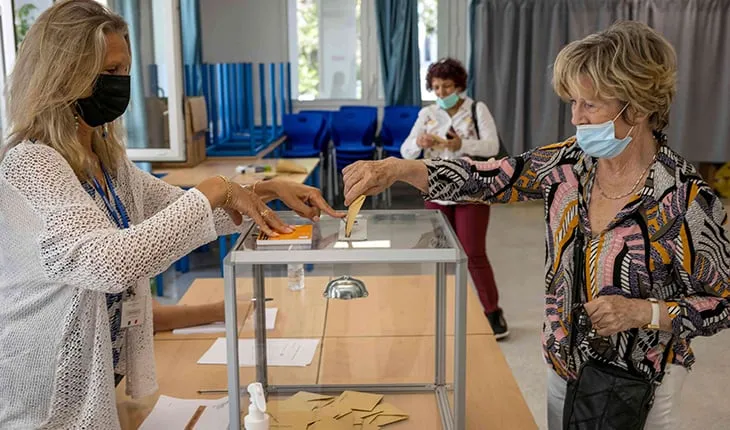
As Morocco approaches its upcoming electoral deadlines, the judicial and regulatory institutions are intensifying their efforts to combat electoral corruption and ensure that political agendas are governed by stringent legal frameworks. In this context, the Public Prosecution Authority has issued a circular memorandum to the public prosecutors (the King's representatives) in appellate courts and local courts, urging them to firmly and decisively confront any practices that could compromise the integrity of the electoral process or affect its fairness and transparency. This directive emphasizes the importance of conducting thorough investigations related to electoral complaints with the necessary speed and efficiency, ensuring that the legislative elections scheduled for September 23 proceed in an environment characterized by adherence to the law, integrity, and fair competition.
The memorandum calls upon all public prosecution offices in both appellate and local courts to mobilize and effectively support the legislative elections for the House of Representatives. It stresses the importance of upholding the law and maintaining transparency during these critical democratic exercises. Prosecutors are being urged to take robust action against any unlawful practices that could jeopardize the electoral process, ensuring that legal consequences are applied to those found guilty of such infractions. The proactive measures outlined in this memorandum include securing continuous oversight throughout the electoral process and enhancing coordination among regional and local cells established within the public prosecution offices, as well as with security teams tasked with overseeing electoral matters.
Gender Representation and Criticism of the Election Process
On another front, the "Challenge for Equality and Citizenship Association" has expressed concern over the limited representation of women in local electoral districts, highlighting that 61 out of 92 local electoral districts lack female candidates at the head of the lists. In a statement reviewed by Al-Quds Al-Arabi, the association has begun to monitor preliminary data concerning women's presence at the forefront of electoral lists in these local districts, revealing that only 40 women have announced their candidacy across 32 electoral districts nationwide. This statistic underscores the ongoing issue of gender equality in Moroccan politics and the need for reform to ensure fair representation.
Meanwhile, opposition media has continued to criticize the three parties within the ruling coalition, with the director of "Bayane Al-Yawm," a publication affiliated with the Party of Progress and Socialism, penning an editorial entitled "Both Parties Are Lying Together." In this piece, he analyzes the current verbal conflict between the National Rally of Independents and the Authenticity and Modernity Party, asserting that these majority parties must take responsibility for their record and address the opposition's critiques. The editorial emphasizes that Moroccan citizens are primarily concerned with rising prices, the cost of living, and a lack of opportunities, issues for which the outgoing majority parties are accountable.
In terms of regulatory oversight concerning the forthcoming elections, the National Commission for the Protection of Personal Data has issued an official notice to political parties, reaffirming the legal standards for processing personal data during the electoral process. This directive aims to regulate political agendas within legally defined boundaries, ensuring that any handling of personal data complies with existing national legislation. The commission's guidelines mandate prior notification for any data processing activities and adherence to stipulated purposes for data collection, while explicitly prohibiting any exploitation of political opinions or direct targeting of voters without their explicit consent.
These stringent measures come in response to an increasingly competitive political landscape in Morocco as the date for legislative elections draws near. Political parties are vying for voter attention, with social media and digital platforms playing a crucial role in shaping electoral campaigns and engaging with the electorate. In this environment, the emphasis on legal compliance and the protection of individual rights has never been more critical to safeguarding the integrity of the democratic process.
As reported by alquds.co.uk.