Morocco's Legislative Elections Amidst Social Frustration and Youth Discontent
On September 23, 2026, Morocco held its legislative elections, a significant event marked by rising unemployment, soaring prices, and increasing inequalities within the nation. Nearly 16 million citizens, out of a population of 36 million, were called to the polls from 8 a.m. to 7 p.m. to elect members to the 395-seat House of Representatives. The turnout, particularly among the youth demographic, is being closely monitored, with the Interior Ministry reporting a national participation rate of 28.05% by 5 p.m. on the election day.
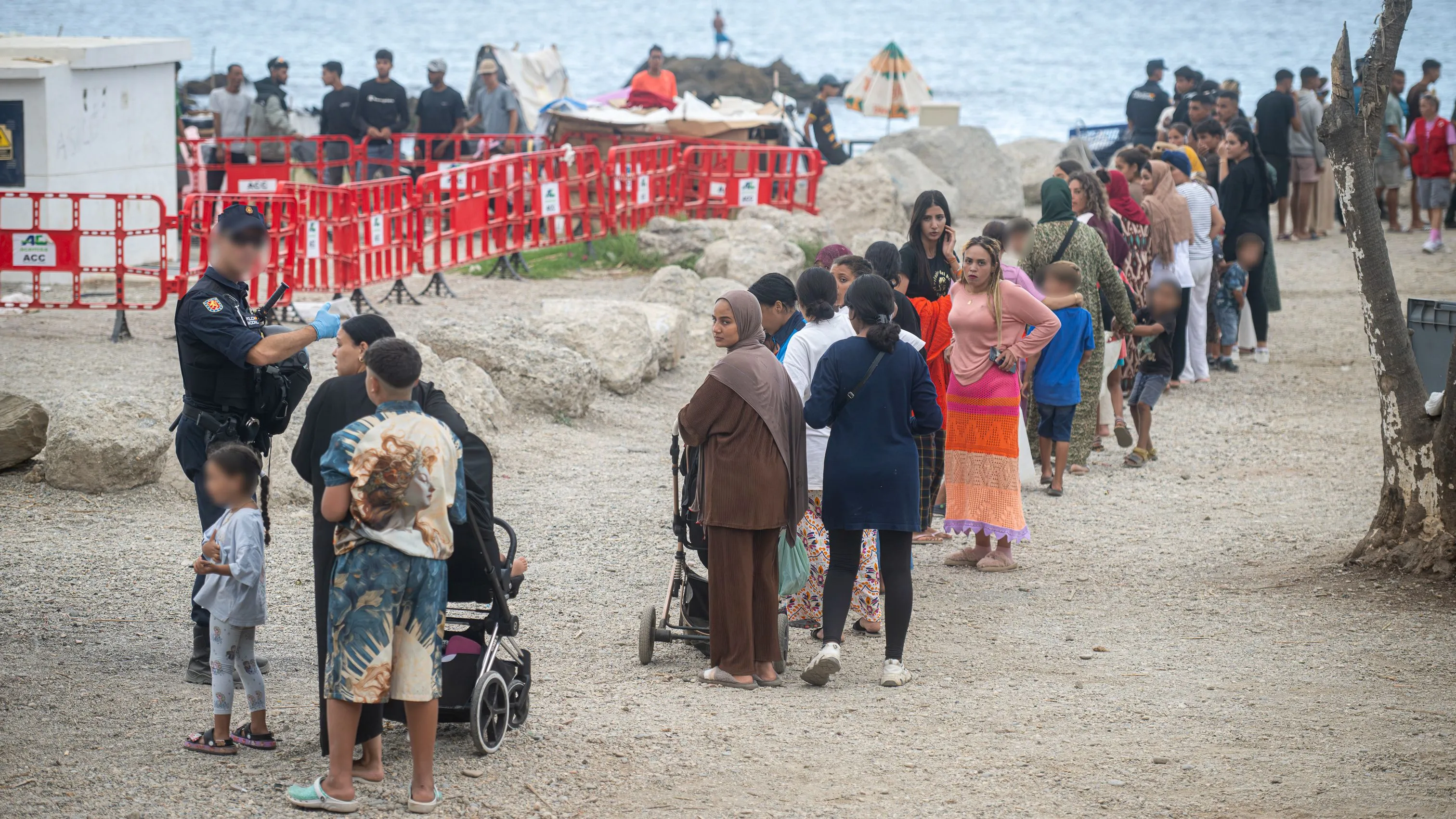
This electoral event follows a massive influx of migrants to the Spanish enclave of Ceuta in late July, which predominantly involved young Moroccans. This situation has highlighted the lack of opportunities for youth, even as Morocco experiences overall economic growth and embarks on major projects in preparation for the World Cup 2030, which it will co-host with Spain and Portugal. However, the costly investments associated with the World Cup have led to public discontent, as many citizens feel these expenditures are misaligned with pressing socio-economic needs such as inadequate public services and high unemployment rates, as noted by independent researcher Lamia Elfehaim on the Arab Reform Initiative website.
Despite the Ceuta crisis not dominating the electoral campaign, the underlying issues it revealed have permeated discussions. Many voters, such as 59-year-old Majda Bakatir from Rabat, expressed their disillusionment with the political class, stating, "I will not vote because I have lost all trust in the political class. We want our country to move forward, but politicians seem unconcerned about our issues related to health, education, and purchasing power." Conversely, others like 55-year-old Karim Ennaciri believe that the electoral process is a chance to determine if there is potential for renewal within the political parties.
The Quest for a New Government
The new head of government will emerge from the party that secures the most seats in the elections and will be appointed by King Mohammed VI to serve a five-year term, although the king retains control over strategic sectors. With polls prohibited by electoral law, the press and observers have positioned the National Rally of Independents (RNI), the current ruling coalition, as one of the frontrunners. Despite his detachment from the party's leadership, Prime Minister Aziz Akhannouch has been actively campaigning, emphasizing reforms in education and healthcare and a commitment to respond to the needs of Moroccans.
On the other hand, the Authenticity and Modernity Party (PAM) is also considered a strong contender. Recently, PAM has attracted popular figures, including Budget Minister Fouzi Lekjaa, who has articulated a vision to transform youth into a valuable asset for the country. In the absence of a clear leader, Fatima Ezzahra Mansouri, the Minister of Territorial Planning and Mayor of Marrakech, is being touted as a potential first female Prime Minister should her party prevail. The historic Istiqlal party, led by Nizar Baraka, is also aiming for a strong performance with a focus on social issues. Meanwhile, the Justice and Development Party (PJD), currently in opposition, claims to represent a break from corruption and seeks to resonate with voters through its promises of reform.
As reported by information.tv5monde.com.