
Morocco's Legislative Elections: Insights into the Recent Polls
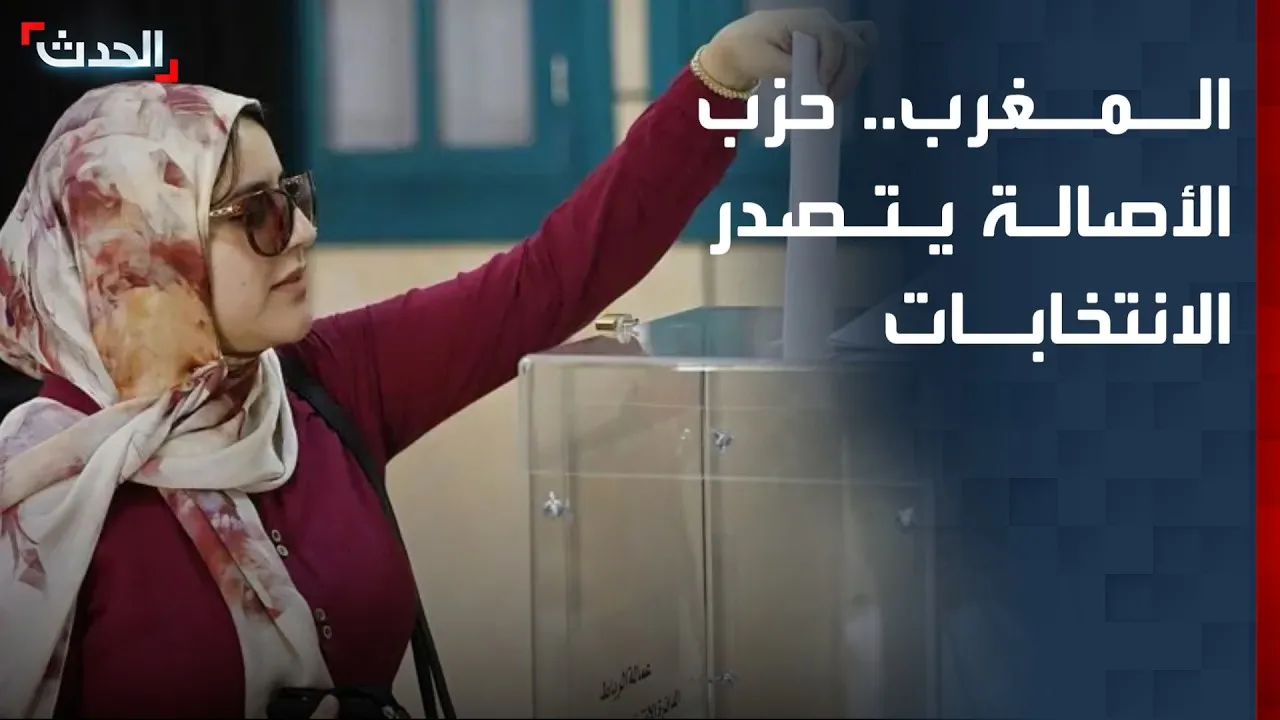
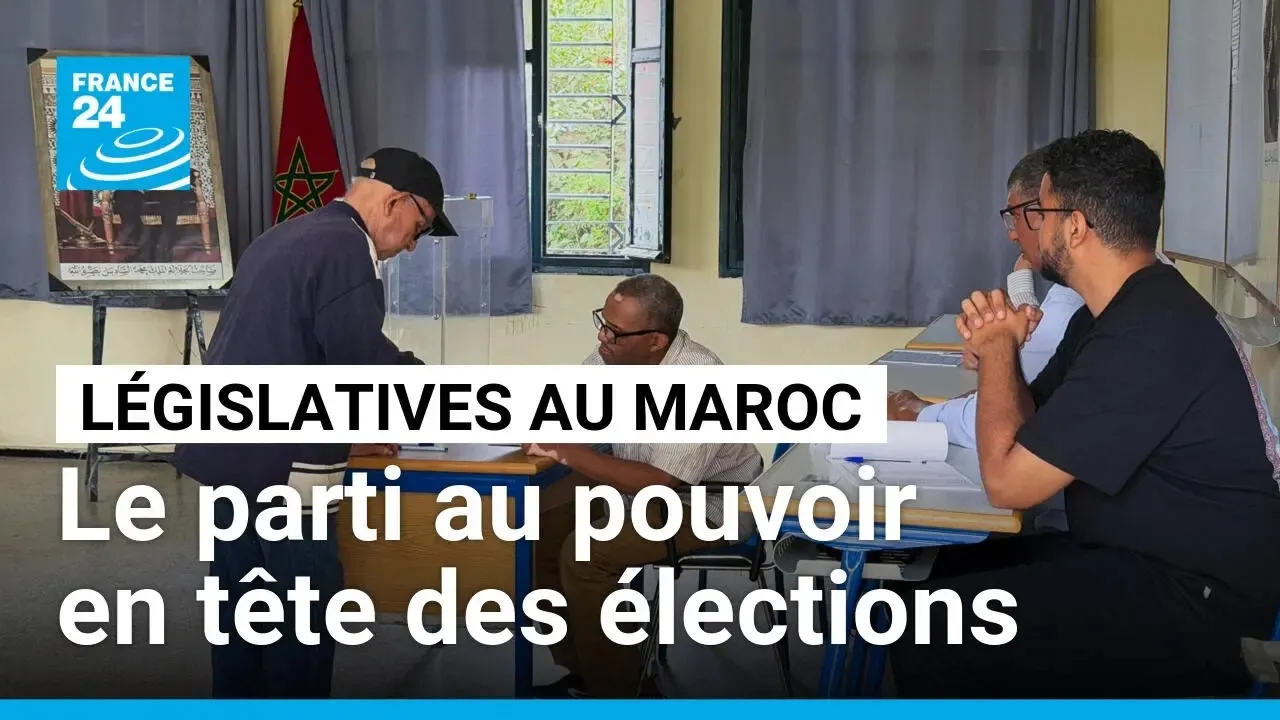
The recent legislative elections in Morocco held on September 23, 2026, have seen the ruling coalition of three parties retain their grip on power, despite facing a notable decline in voter participation. The turnout was recorded at a mere 38%, marking the lowest participation rate in nearly two decades. This decline in engagement highlights a growing disillusionment among the electorate, which poses a significant challenge to the political landscape in Morocco. Political analysts, including Karim Yahiaoui, a correspondent for France 24 in Casablanca, have pointed out that while the ruling parties have managed to secure their positions, the resurgence of Islamist parties in these elections indicates shifting dynamics within the electorate.
The implications of these elections extend beyond mere statistics; they signify a critical juncture in Moroccan politics. With such a low turnout, the legitimacy of the government may come into question, as the voices of the majority seem to be absent from the electoral process. The resurgence of Islamist parties suggests that there are parts of the population that are seeking alternatives to the current political order, which could lead to a more competitive political environment in the future. The results of this election could significantly influence the direction of policy-making and governance in the country as it grapples with pressing socio-economic issues.
As Morocco navigates these political waters, the response of the ruling coalition to the electorate's dissatisfaction will be crucial. If they fail to address the concerns of the populace, they risk alienating a significant segment of voters, potentially leading to further declines in future elections. The recent elections serve as a wake-up call not just for the ruling parties, but for all stakeholders in Moroccan politics, emphasizing the need for engagement and responsiveness to the needs of the citizens.
As reported by youtube.com.