
Morocco's Legislative Elections: A Focus on Economic Disparities
On September 10, 2026, Morocco officially launched its campaign for the legislative elections scheduled for September 23. This electoral contest is particularly significant as it unfolds against a backdrop of rising discontent stemming from stark economic and regional inequalities that have left many citizens feeling marginalized. The governing coalition is determined to retain its hold on power, yet they face mounting challenges as the electorate grows increasingly frustrated with the status quo.
The disparities in economic advancement and opportunities, especially among the youth, are expected to dominate discussions during the campaign. A notable incident in July, where tens of thousands of Moroccans attempted to enter the Spanish enclave of Ceuta, underscored the urgency of these issues. This large-scale migration was a clear indicator of the economic desperation felt by many, particularly among the younger population, who are grappling with high unemployment rates. It is worth mentioning that only about three percent of registered voters fall within the 18 to 24 age bracket, highlighting a concerning trend of political apathy among the youth.
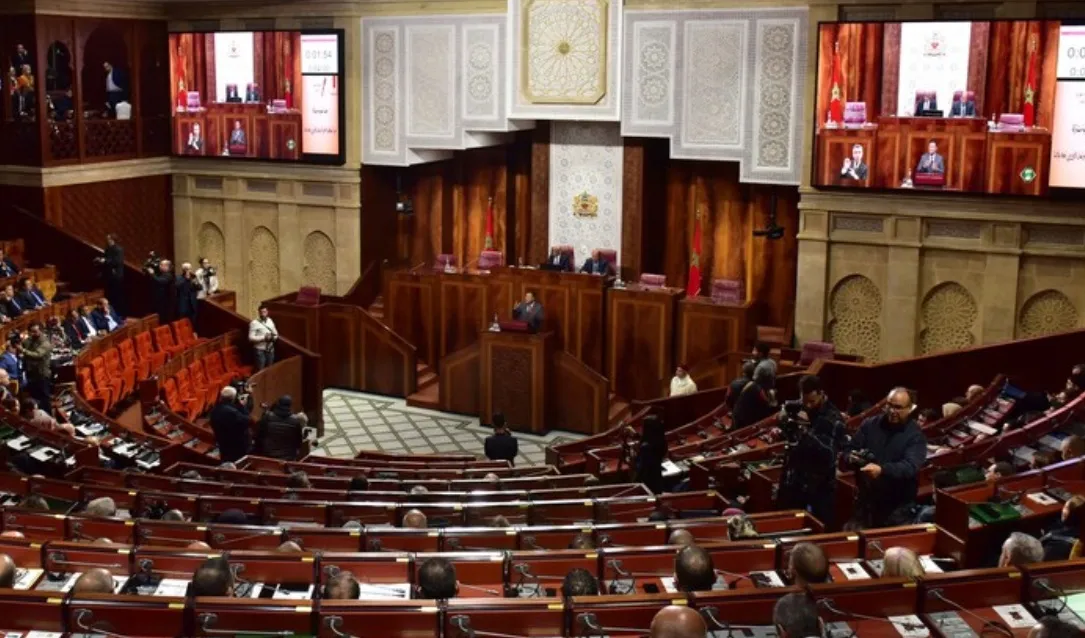
Nearly 16 million people are registered to vote for the 395 seats in the House of Representatives, with the outcome set to influence the appointment of the next prime minister by the king. The current prime minister, Aziz Akhannouch, hails from the party that secures the most seats in the election, yet the king ultimately retains substantial control over key policy decisions. As the election date approaches, all participating parties are actively promoting their platforms, primarily through social media channels, in hopes of appealing to the disenchanted electorate. However, skepticism abounds, as various Moroccan media outlets have critiqued the grandiose financial commitments made by some parties, labeling them as unrealistic without clear funding strategies.
Political analysts, such as Abdellah Tourabi, have voiced concerns regarding the lack of meaningful political discourse within the campaign. The absence of substantive debate risks alienating voters further, particularly the youth, who are crucial for the future of Morocco's political landscape. As the election draws near, how these issues are addressed could determine the direction of Morocco's government and its response to the pressing economic challenges facing its citizens.
As reported by arabnews.com.