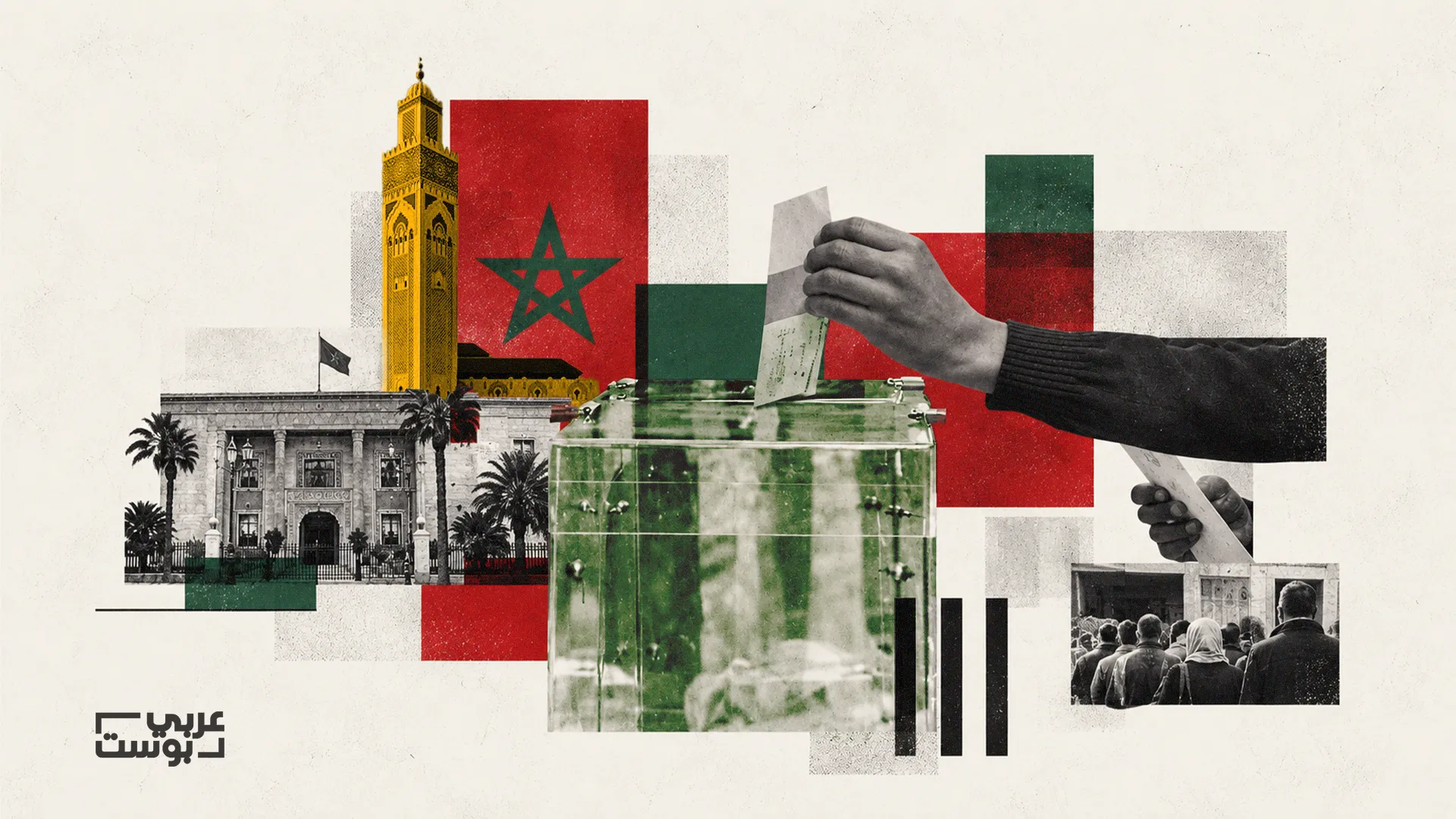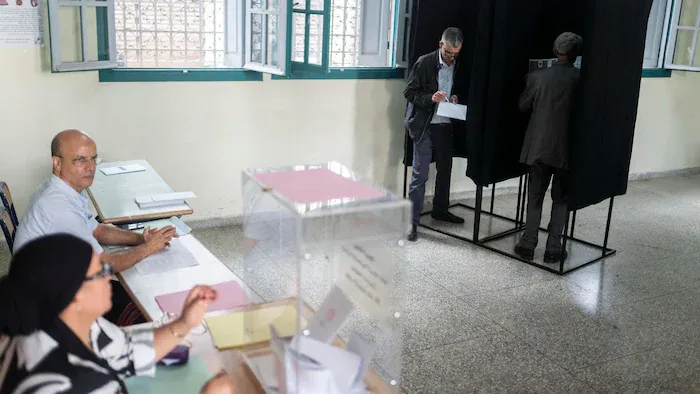

The recent legislative elections in Morocco, held on Wednesday, recorded a dismal voter turnout of 38.02%, marking the lowest participation rate in nearly two decades. This unprecedented decline reflects a growing disillusionment with the political class amidst rising concerns surrounding unemployment and social inequalities. The elections took place less than two months after a significant migration crisis in Ceuta, which many view as a manifestation of the frustrations faced by a segment of Moroccan youth seeking better opportunities.
According to the Interior Ministry's announcement, the national participation rate reached 38.02% shortly after the polling stations closed, while assuring that the electoral process was conducted under normal conditions across the kingdom, with only a few isolated incidents reported. This figure represents a steep decline from the 50.35% turnout recorded in the 2021 elections, and it is the lowest since the 2007 legislative elections, which saw a turnout of 36.89%. Approximately 16 million citizens out of the country’s 36 million residents were eligible to vote for the 395 representatives in the House of Representatives.
Loss of Trust in Politics
The low turnout, particularly among the youth, was closely monitored given the recent influx of migrants towards the Spanish enclave of Ceuta in late July, which highlighted the lack of prospects for many young Moroccans. Despite the country showcasing sustained economic growth and embarking on significant projects in preparation for the 2030 World Cup—hosted jointly with Spain and Portugal—the investment in this costly event has been criticized by segments of the population as misaligned with the pressing socio-economic issues facing the nation. These include failing public services, rural isolation, and high unemployment rates, as noted by independent researcher Lamia Elfehaim on the Arab Reform Initiative website.
While the Ceuta crisis did not dominate campaign discussions, the underlying issues were certainly present in the electoral debates. One voter, Majda Bakatir, 59, expressed her frustration with the political system, stating, "I will not vote because I have lost all trust in the political class. We want our country to move forward, but politicians seem indifferent to our problems related to health, education, and purchasing power." Conversely, Karim Ennaciri, 55, believes that this electoral process may reveal whether there is any renewal within the political parties.
The new Prime Minister will be from the party that secures the most seats in the elections and will be appointed by King Mohammed VI to form a government for five years, although significant directives in strategic sectors will still be determined by the monarchy.
Political Landscape and Party Dynamics
In the absence of polls, which are banned by electoral law, the press and observers have identified the National Rally of Independents (RNI), currently leading the government coalition, as a frontrunner in the elections. Despite stepping down from leadership of the RNI, current Prime Minister Aziz Akhannouch has actively campaigned for his party, asserting, "We have implemented reforms in education and health, and we increased salaries... We were present when Moroccans needed us." However, Akhannouch's efforts have been shadowed by accusations of conflicts of interest related to his company, Afriquia, which is a major player in the hydrocarbon distribution sector in Morocco.
Another party expected to perform well is the Authenticity and Modernity Party (PAM). Both the RNI and PAM are center-right parties with ideological similarities, founded by individuals close to the royal palace. Recently, PAM secured the support of a popular figure, Budget Minister Fouzi Lekjaa, who is better known for his role at the helm of the Royal Moroccan Football Federation. During the campaign, Lekjaa emphasized the importance of empowering youth, stating, "Through our program, we aim to make youth a driving force capable of adding value rather than being left behind." Meanwhile, the Justice and Development Party (PJD), an Islamist party in opposition, has pledged to be a transformative force in the fight against corruption.
As reported by ici.radio-canada.ca.