
Moroccan Youth and the Upcoming Legislative Elections
On September 23, 2026, Morocco will witness a critical moment in its political landscape as 15,801,162 voters prepare to head to the polls to elect 395 representatives for the House of Representatives. In a nation grappling with fragile economic and social conditions, the disillusionment among the youth is poised to significantly impact voter turnout, potentially leading to a high abstention rate. A total of 28 political parties, some forming alliances specifically for this election, alongside two independent candidate lists, will vie for the available parliamentary seats. The formation of the new government will be influenced by the election results, as the monarch, King Mohammed VI, retains the constitutional authority to appoint the Prime Minister.
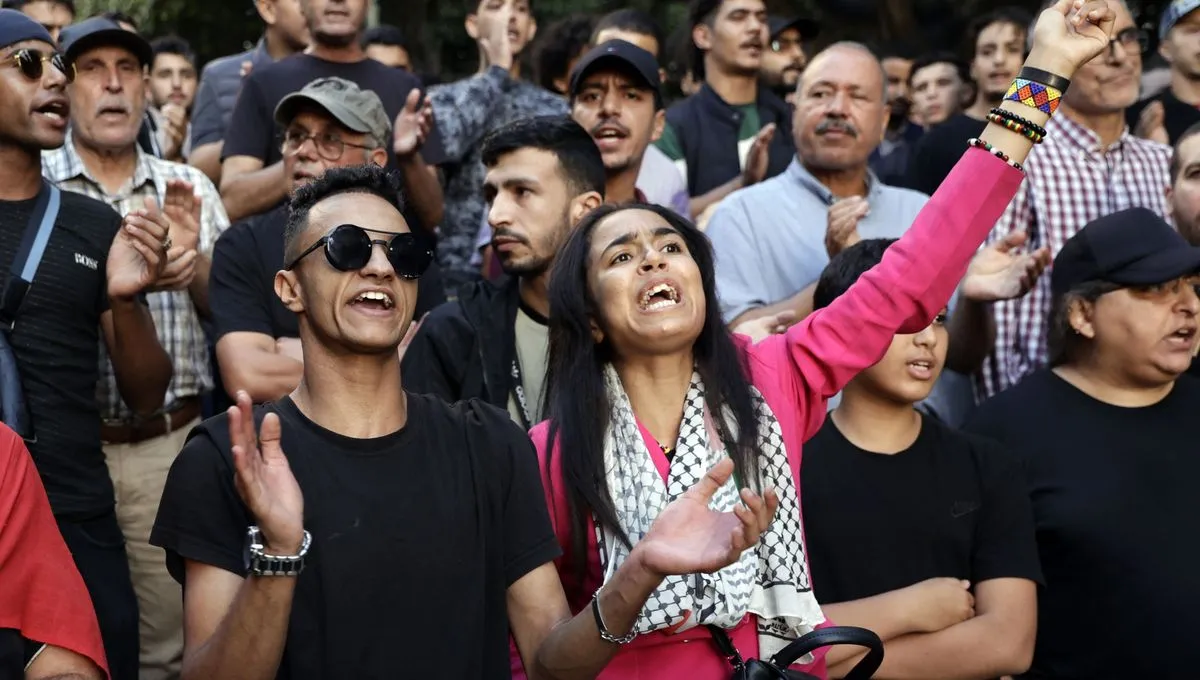
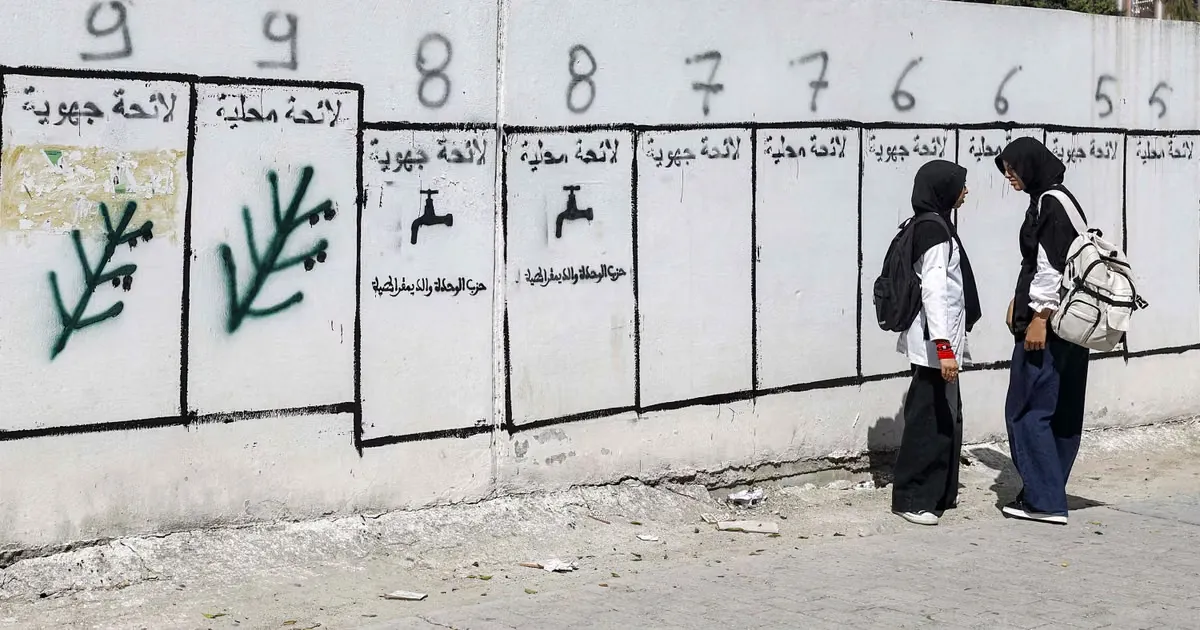
Despite the significance of these elections, media coverage suggests a lackluster campaign characterized by muted enthusiasm. Reports indicate that the election campaign has unfolded in a rather somber environment, devoid of the vibrant banners and posters typically associated with such political events, with the exception of materials placed at polling stations. This atmosphere of disenchantment reflects a broader sentiment among the Moroccan youth, who may feel disconnected from the political process and skeptical about the effectiveness of their participation.
Political Landscape and Youth Sentiment
The backdrop of this electoral landscape is shaped by the previous elections held in 2021, which resulted in a coalition government formed by the National Rally of Independents (RNI), the Authenticity and Modernity Party (PAM), and the royalist Istiqlal Party. Aziz Akhannouch was appointed as Prime Minister following this coalition's victory. Conversely, the Islamist Justice and Development Party, which had previously garnered significant support during the Arab Spring in 2011, has experienced a notable decline in influence. The current political scenario raises questions about whether Akhannouch's administration can effectively address the concerns of the youth, who are increasingly disillusioned with traditional political structures.
As these elections approach, the real test will be the extent to which young voters engage with the electoral process and whether the political parties can resonate with their aspirations and grievances. The future of Moroccan democracy and the role of its youth in shaping that future hinge on this pivotal moment.
As reported by courrierinternational.com.