
Morocco's Strategic Approach to Mali's Instability
In light of the escalating crisis in Mali, Morocco is closely monitoring the alliance between jihadist factions and separatists, which is perceived as a significant threat to regional stability. Adhering to its principle of non-interference, Rabat has opted for a balanced and legalistic approach in addressing the situation. On April 25, 2026, attacks launched by the Support Group for Islam and Muslims (JNIM) and the Azawad Liberation Front (FLA) in northern Mali prompted Morocco to swiftly reaffirm its diplomatic stance. The Moroccan government condemned the acts of terrorism while expressing unwavering support for the Malian authorities and reiterating its commitment to the territorial integrity of Mali.
Emphasizing Diplomacy and Regional Stability
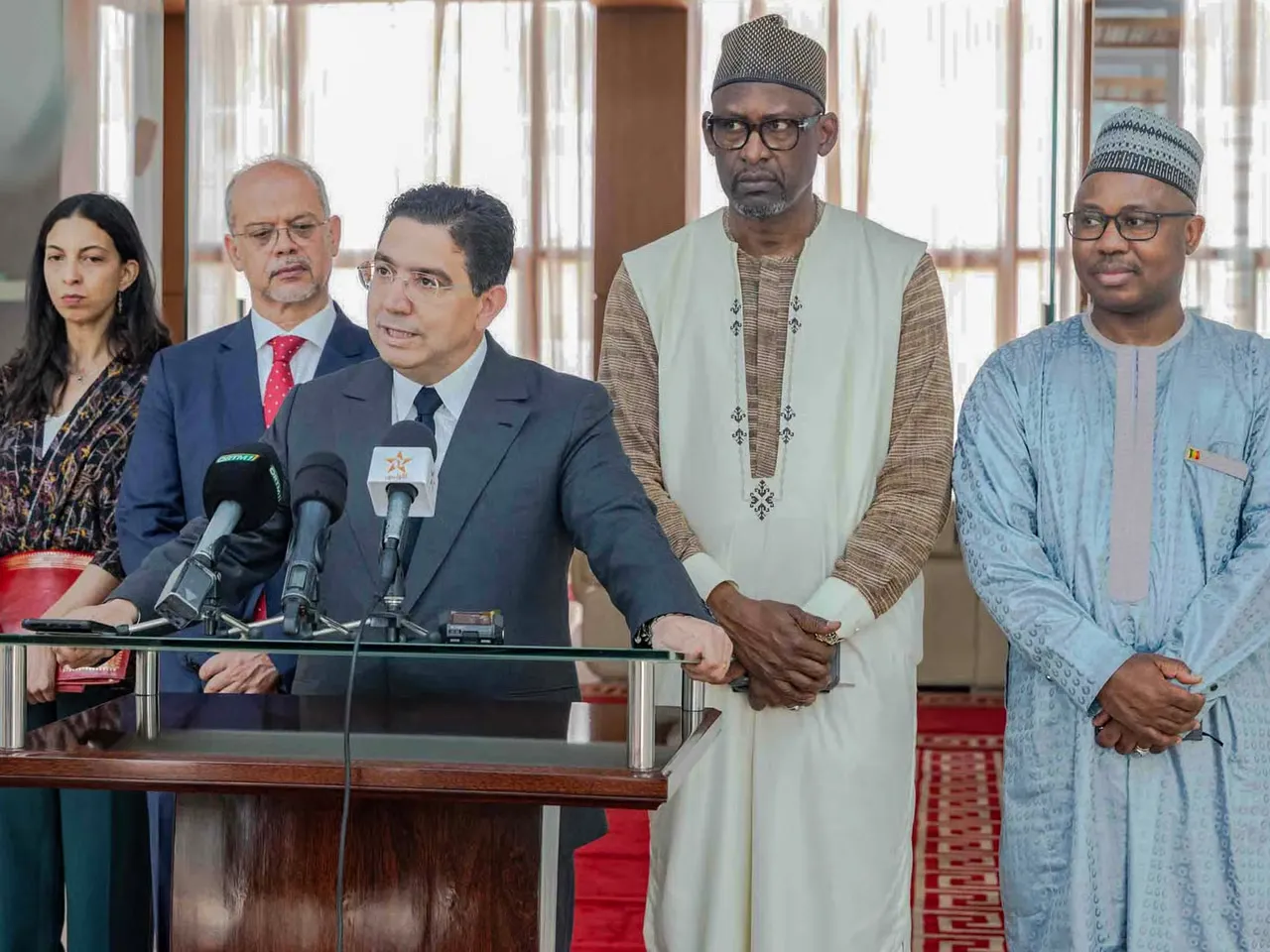
Following the recent violent incidents, Moroccan Foreign Minister Nasser Bourita has engaged in diplomatic discussions with Malian transitional president Assimi Goïta, emphasizing Morocco's position on regional security and cooperation. The Moroccan government acknowledges the fragile nature of the situation in Mali, which could have broader implications for the Sahel region if left unaddressed. By promoting dialogue and legal frameworks, Morocco seeks to contribute to a sustainable resolution of the conflict, focusing on the underlying issues that fuel instability. The Moroccan approach, while cautious, underscores the importance of regional solidarity and the need for collaborative efforts to combat terrorism and separatism across borders.
As reported by jeuneafrique.com.