
The recent sight of tens of thousands of Moroccans traversing checkpoints to swim into the Spanish enclave of Ceuta in late July starkly illustrated a significant breakdown in global security. This unprecedented movement of migrants, exacerbated by a strained global system, served as a geopolitical message from Morocco to Spain, highlighting the Kingdom's newfound alliances with powerful nations. Riccardo Fabiani, the North Africa project director of the International Crisis Group, remarked on the situation, suggesting that while Morocco did not orchestrate the crisis, it likely facilitated the flow of migrants, as evidenced by the authorities' prior knowledge of online discussions indicating that Ceuta was perceived as accessible.
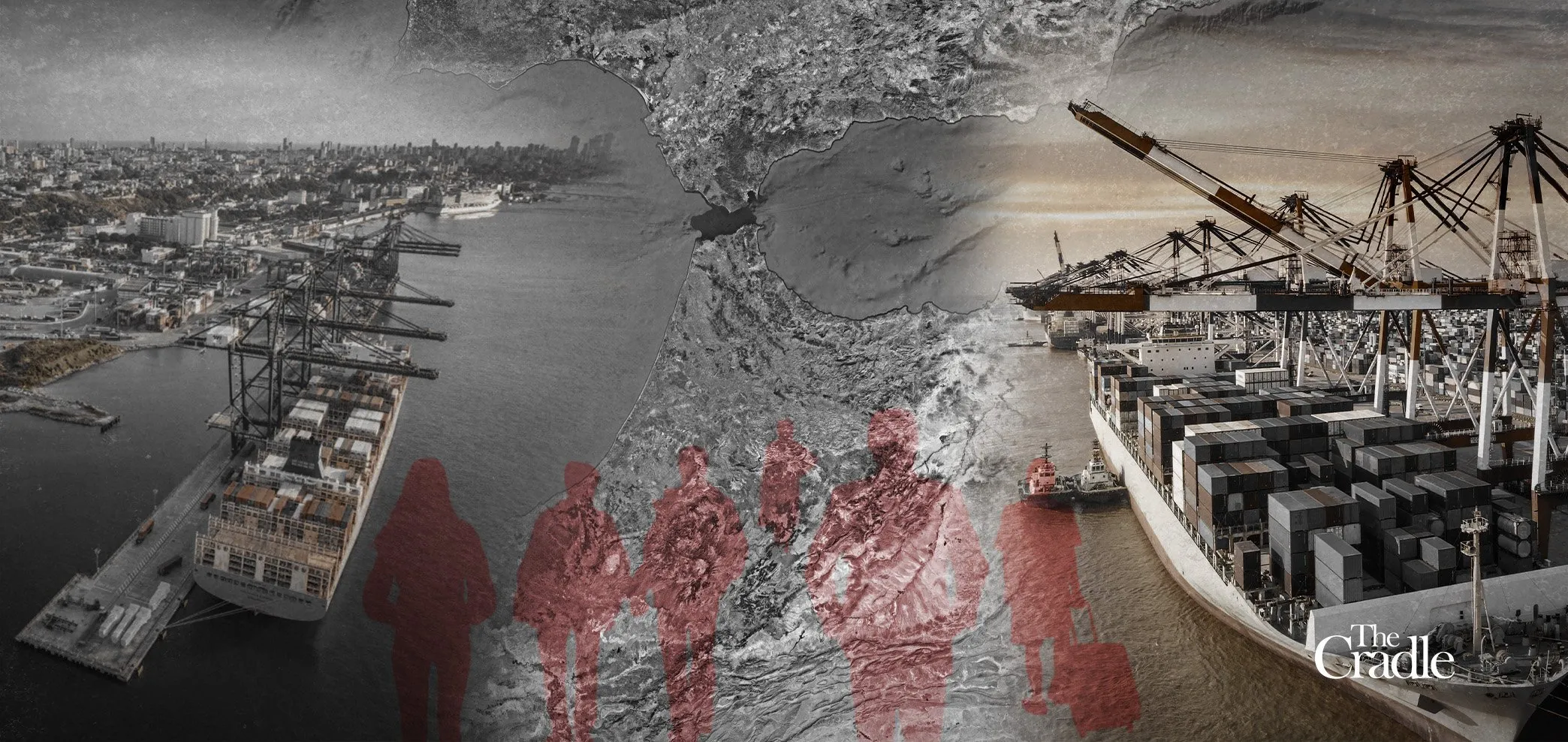
The motivations behind Morocco's assertive stance can be attributed to a long-standing ambition to reclaim the Spanish enclaves of Ceuta and Melilla, a renewed confidence stemming from its strategic partnerships with the United States and Israel, and a desire to express discontent with Spain's lack of support regarding conflicts in Iran and the Middle East. The historical context of Ceuta, which has been under Spanish control since the 15th century, adds to the complexity, as it represents a significant maritime choke point in the Mediterranean. By undermining Spanish control over this port city, Morocco aims to disrupt European Union efforts to extend Schengen Zone regulations through Gibraltar, thereby creating a Moroccan-controlled southern route.
Despite overwhelming evidence suggesting Moroccan involvement, the country vehemently denied facilitating access to Ceuta, and it even initiated legal actions against individuals who claimed to have crossed into the enclave. The United States, initially supportive of Morocco's claims, distance itself from this stance, affirming Spain's sovereignty over Ceuta and Melilla. Jacob Mundy, an associate professor of Peace and Conflict Studies, noted that Morocco has little incentive to change the current Spanish government, as they benefit from the existing administration's support for Morocco’s position on Western Sahara. The recent migration crisis has led to a backlash against Spain's pro-migration policies, with European leaders expressing concerns about the manipulation of migration for political leverage.
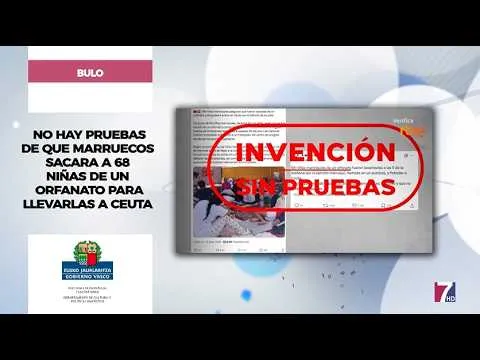
European politicians, particularly in countries like Greece, have drawn parallels to previous instances where migration flows were used to test the EU's resilience. The incident has sparked discussions about the strategic use of migration by states, with Spain's security services identifying Moroccan intelligence agents among the migrant crowds. However, the Spanish government opted for a conciliatory approach, attributing the surge in arrivals to smuggling networks and social media conspiracy theories rather than acknowledging potential state involvement from Morocco.
The unfolding events at Ceuta occurred against a backdrop of heightened geopolitical tensions, with Morocco leveraging nationalistic sentiments in light of recent successes in international sporting events to bolster its claims over these territories. The country's aspirations are further fueled by a perceived resolution to the Western Sahara issue and the notion that the time is ripe for reclaiming sovereignty over Ceuta and Melilla as the international order faces significant challenges. As Morocco navigates this complex geopolitical landscape, the implications for Spain and the EU are profound, highlighting the delicate balance of power in the region and the potential for further conflict over control of these strategic maritime gateways.
As reported by thecradle.co.