
Formation of a New Government Coalition in Morocco
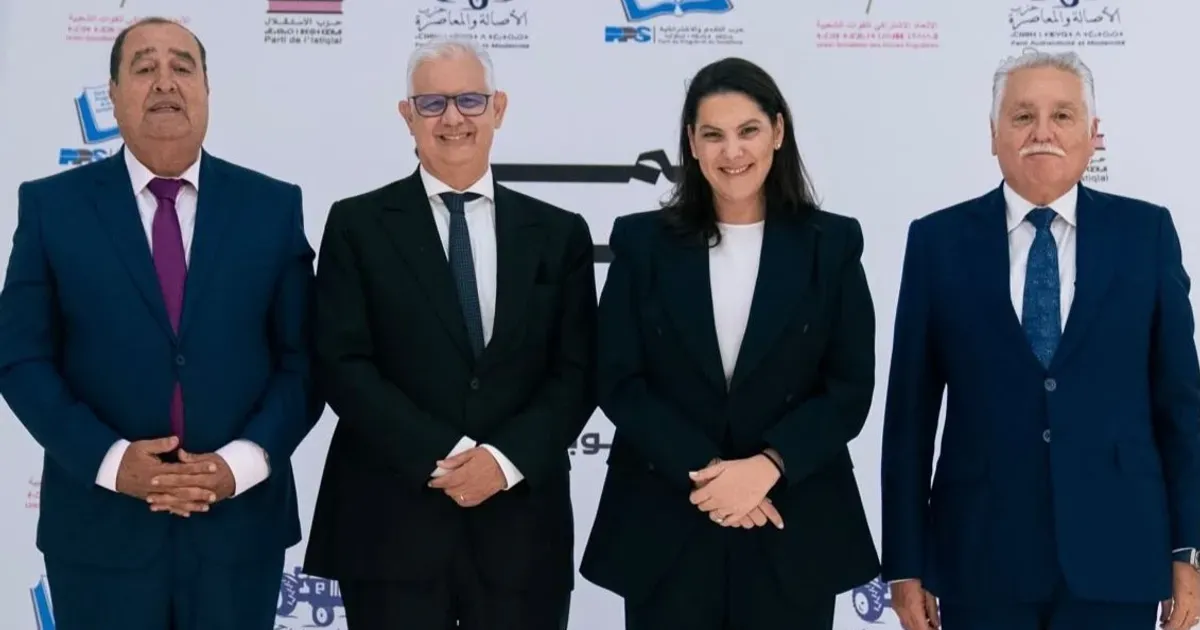
On October 13, 2026, Morocco's political landscape experienced a significant shift as the Party of Authenticity and Modernity (PAM) announced the establishment of a new coalition government. This coalition, which is led by Fatima Zahra Mansouri—marking her as the first woman to hold the office of Prime Minister in the country—includes three additional parties: the National Independence Party, the Socialist Union of Popular Forces, and the Progress and Socialism Party. Collectively, these four parties boast a total of 207 seats in the House of Representatives out of 395, surpassing the absolute majority of 198 seats required to form a government. This coalition not only represents a political alliance but also embodies a groundbreaking moment for gender equality in Moroccan politics.
Goals and Challenges Ahead
The newly formed government coalition is tasked with overseeing a comprehensive $20 billion plan aimed at hosting the 2030 World Cup, alongside addressing pressing economic and social challenges facing the nation. A joint statement from the coalition emphasized the formation of a coherent political majority, designed to foster a robust government that is aligned with the shared reformist vision of its members. The coalition's commitment to appointing capable and politically astute ministers indicates a proactive approach to governance, aiming to build a strong and effective administration.
The coalition emerged after two rounds of political consultations led by Mansouri, following her appointment by King Mohammed VI. The decision to form this coalition reflects a collective response to the 'higher interests' of the country, as well as an acknowledgment of the popular will expressed in recent elections, which underscored the need for female representation at the highest levels of government.
While the PAM has seen substantial success, securing 97 seats in the latest legislative elections, the absence of the National Rally of Independents from the coalition suggests a potential shift to opposition, alongside the Justice and Development Party, which garnered 54 seats.
As Morocco embarks on this new political chapter, the coalition's ability to navigate the complexities of governance while simultaneously championing gender equality will be closely observed both domestically and internationally. This historic moment not only sets a precedent for future administrations but also serves as a beacon of progress in the broader Middle Eastern and North African political context.
As reported by asharq.com.