
Ouarzazate: The Heart of Morocco's Solar Ambitions
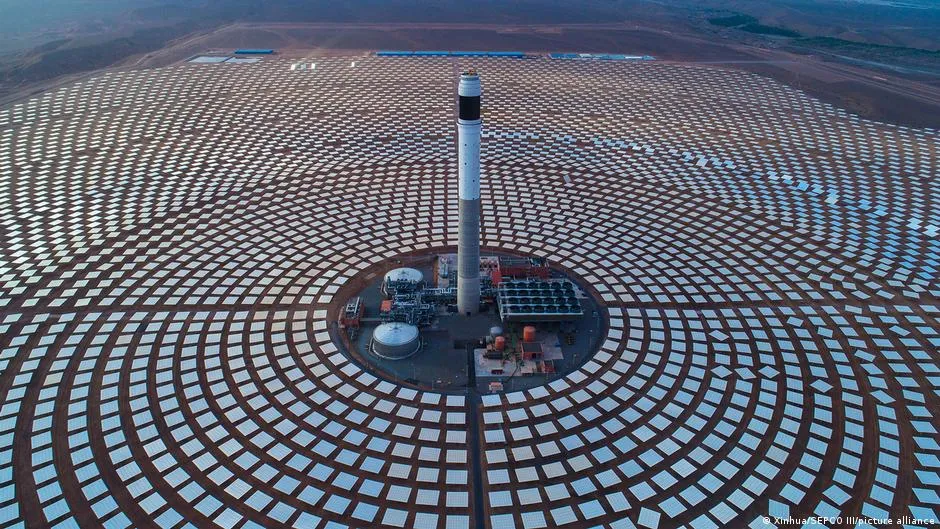
In the vast expanse of the Moroccan desert, a monumental solar tower stands as a symbol of the country's commitment to a sustainable energy future. Located in Ouarzazate, approximately 200 kilometers southeast of Marrakech, this city, often referred to as the "door to the desert," is not only famed for its Atlas Film Studios, which have hosted major productions such as "The Mummy" and "Gladiator," but is also becoming a hub for renewable energy development. The Noor solar power plant, which translates to "light" in Arabic, is one of the world's largest solar facilities, covering nearly 500 hectares and capable of generating enough energy to power over a million homes. Unlike traditional solar farms that utilize photovoltaic panels, Noor employs concentrated solar power technology. It utilizes a vast array of two million mirrors that reflect sunlight onto a central receiver atop a towering 247-meter structure. This innovative approach allows the facility to generate steam from molten salt heated to 600 degrees Celsius, producing electricity even after sunset, thereby showcasing the potential of solar energy in a region that experiences extreme temperatures.
Challenges to Clean Energy Adoption in Morocco
Despite the remarkable capabilities of the Noor solar plant, the local community in Ouarzazate has yet to fully benefit from this clean energy advancement. A significant barrier to widespread adoption of renewable energy is the Moroccan energy grid's continued reliance on fossil fuels, particularly coal-fired power generation. According to Intissar Fakir, a senior fellow at the Middle East Institute, fossil fuel-derived electricity accounts for approximately 48% of the nation's greenhouse gas emissions, underscoring the need for a swift transition towards renewable sources. The economic implications are profound, as many Moroccans spend around $110 of their average monthly income of $550 on electricity, a considerable expense in a country where summer temperatures can regularly exceed 40 degrees Celsius.
The situation is exacerbated by Morocco's lack of domestic fossil fuel production, with around 90% of its coal, oil, and gas being imported, making the nation vulnerable to energy price fluctuations and increasing the urgency for a shift to renewable energy. Nevertheless, Morocco has made commendable strides in its renewable energy initiatives, with plans to generate 52% of its electricity from renewable sources by 2030 and aiming for 70% by 2050. However, while current renewable technology can produce 46% of the country's electricity, the actual output in 2023 fell short of this target.
Fakir emphasizes the necessity for Morocco to enhance its energy grid capacity to accommodate the growing production from Noor and other renewable projects. This includes investing in energy storage systems to ensure that generated power can be effectively utilized. Furthermore, there is a pressing need for the government to diversify its focus beyond large-scale projects like Noor to include decentralized energy solutions, such as residential solar panels, which could offer more immediate benefits to local communities.
While the Noor solar project stands as a testament to Morocco's technological prowess and ambition, it has also sparked debate regarding its environmental and social impacts. The project's significant water consumption for cleaning its mirrors and the appropriation of grazing lands from local farmers without adequate consultation have raised concerns among residents who feel they have not reaped the benefits of this megaproject. As Ouarzazate continues to navigate its energy future, the challenges of integrating renewable energy into daily life remain a critical issue that the nation must address.
As reported by dw.com.