
Significant Debt Increases as Morocco Invests in Railway Infrastructure
The financial debt of the National Office of Railways (ONCF) in Morocco has surged by over 3 billion dirhams within just six months, approaching a staggering total of 49 billion dirhams. This rise in debt coincides with Morocco's launch of an extensive railway program slated for completion by 2030. By the end of June 2026, the ONCF's financing debts reached 48.955 billion dirhams on its social accounts, a notable increase from 45.721 billion dirhams at the conclusion of 2025. This substantial rise of 3.234 billion dirhams, or 7%, reflects the organization’s aggressive investment strategy.
In consolidated accounts, the debt has even slightly surpassed the 49 billion dirham mark, totaling 49.031 billion dirhams compared to 45.788 billion dirhams six months prior. These figures were disclosed in the official press release regarding the second quarter results of 2026 published by ONCF. The ONCF has indicated that this upward trend is consistent with its financing strategy and the trajectory established for its projects. This increase in debt comes as Morocco embarks on a monumental railway initiative valued at 96 billion dirhams, marking the most significant investment ever undertaken by ONCF.
Expanding Services and Growing Passenger Numbers
This ambitious funding plan allocates 53 billion dirhams for the infrastructure and equipment of the new high-speed rail line between Kénitra and Marrakech, 29 billion dirhams for the acquisition of 168 next-generation trains, and 14 billion dirhams aimed at maintaining performance levels while modernizing the existing network. The ONCF has assured stakeholders that all major projects are now "well underway" and are adhering to their scheduled timelines and operational objectives. Notably, the construction of the Kénitra-Marrakech high-speed line has entered a particularly intensive phase, characterized by the ongoing construction of various engineering structures, viaducts, new tracks, and railway improvements.
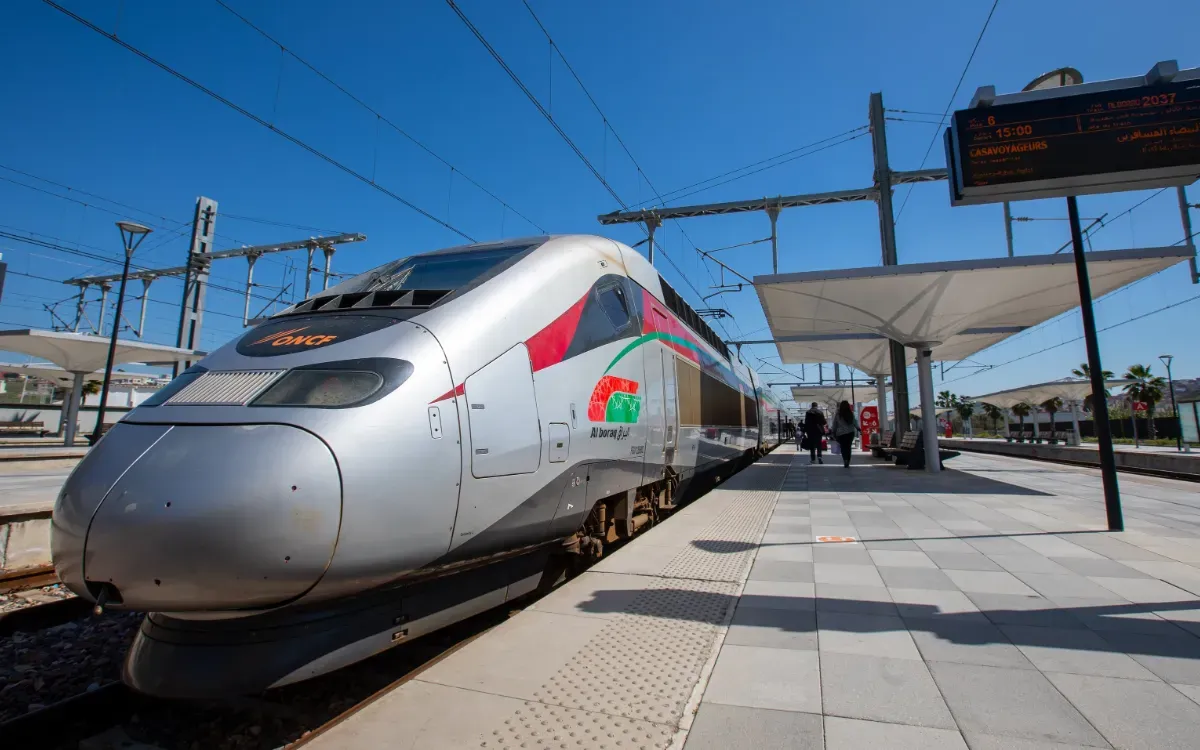
In conjunction with this financial escalation, ONCF's commercial activities continue to thrive. Over 27 million passengers utilized ONCF trains during the first half of 2026, generating a revenue of 1.371 billion dirhams, slightly up from the previous year. This achievement has been realized despite disruptions caused by adverse weather conditions and extensive works on conventional lines. The Al Boraq high-speed service, in particular, has demonstrated much more robust growth, with nearly 2.8 million passengers traveling between January and June, reflecting a 9% increase from the previous year. Its revenue increased by about 7%, reaching 408 million dirhams, further contributing to the financial health of Morocco's railway development.
Ultimately, ONCF's revenue reached 2.476 billion dirhams on social accounts by the end of June. When including its subsidiaries, consolidated revenues amounted to 3.131 billion dirhams, marking a 6% increase compared to the 2.962 billion dirhams reported a year earlier. As ONCF navigates this unique financial landscape—where passenger numbers and operational activities are on the rise while tens of billions of dirhams are mobilized for the high-speed rail project, new trains, and network transformation—the financial debt has already surged to the symbolic threshold of 49 billion dirhams by mid-2026.
As reported by bladi.net.