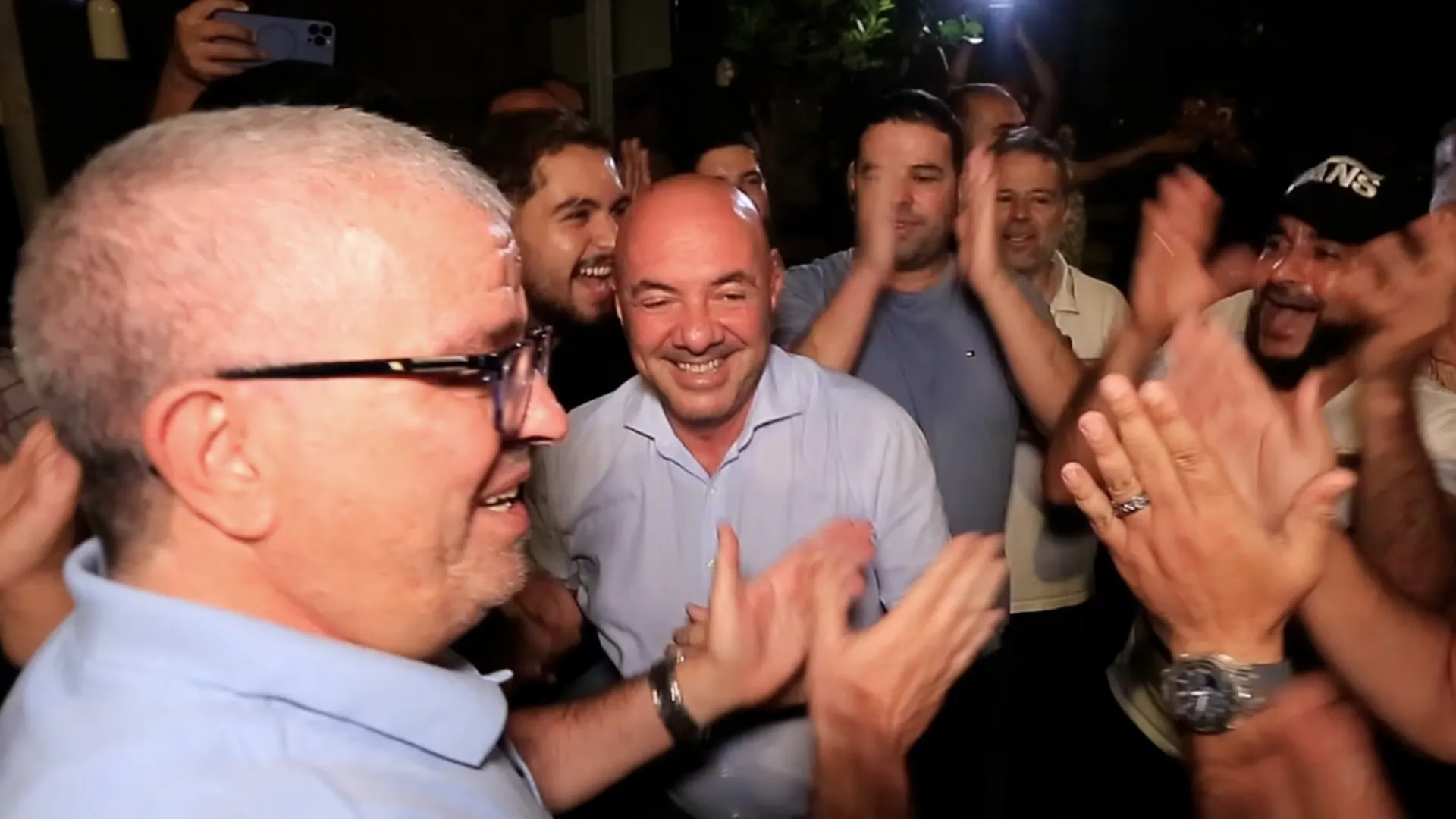
In a significant political event for Morocco, the Authenticity and Modernity Party (PAM), a center-right faction within the ruling coalition, emerged victorious in Wednesday's parliamentary election, capturing 97 out of 395 available seats, according to provisional results. This election, held on September 23, 2026, witnessed an unprecedented low voter turnout of merely 38 percent, the lowest in nearly two decades, reflecting a growing trend of voter apathy amid escalating social issues within the kingdom.
Registered voters numbered almost 16 million, yet many individuals expressed their discontent regarding pressing matters such as unemployment and inequality prior to the election. The National Rally of Independents (RNI), which currently leads the outgoing coalition, secured the second position with 66 seats, closely followed by the right-wing Istiqlal party, which garnered 65 seats. The Islamist opposition's Justice and Development Party managed to win 54 seats, as detailed by Interior Minister Abdelouafi Laftit.
The backdrop of this election included a mass migration crisis just weeks prior, where tens of thousands of young Moroccans sought refuge in the Spanish enclave of Ceuta. Notably, only around four percent of registered voters fell within the 18 to 24 age bracket. The preceding year had witnessed a Gen-Z protest movement that voiced demands for improved health and education systems, emphasizing the disconnect between political entities and the younger populace's aspirations.
Voter turnout this year starkly contrasted with the previous election in 2021, which saw participation rates of 50 percent, and represented a decline from the 36.8 percent recorded in 2007. One voter, Majda Bakatir, articulated her disenchantment to AFP, stating, "I'm not going to vote because I have lost all faith in the political class." She emphasized a desire for progress in the country while lamenting that politicians seemed indifferent to critical issues such as healthcare and education. Conversely, another voter, Karim Ennaciri, expressed hope that the election could usher in necessary changes.
Despite the prevailing negative sentiment regarding the elections, Morocco has displayed economic growth, coupled with significant infrastructure projects as part of its preparations to co-host the 2030 World Cup alongside Spain and Portugal. However, this ambitious World Cup bid has drawn criticism for its high costs, with researcher Lamia Elfehaim noting that such investments appear misaligned with the kingdom's pressing socio-economic challenges, including inadequate public services and high unemployment rates.
The political landscape in Morocco is unique, as the king appoints the prime minister from the party that secures the most seats, enabling the premier to form a government for a five-year term, while the monarch retains authority over major policy decisions. Prime Minister Aziz Akhannouch, who led the RNI's campaign, defended the government's record, highlighting expansions in social security and pledging further reforms if re-elected. However, his tenure has also been marred by allegations of conflicts of interest concerning his fuel distribution company, Afriquia, as well as widespread calls for his resignation stemming from the youth protests.
Both the RNI and PAM share ideological similarities and were established by individuals with connections to the royal palace. The PAM has recently enlisted the support of Budget Minister Fouzi Lekjaa, who is recognized for his leadership in the Royal Moroccan Football Federation. During a recent statement, Lekjaa emphasized the need to empower youth, stating, "We want to make young people a force capable of bringing added value rather than being left behind," while promising improved wages and purchasing power to address the concerns of the younger generation. Nonetheless, the PAM is also grappling with its own corruption scandal, as two senior members were sentenced to prison in connection with a significant drug-trafficking case.
As reported by rfi.fr.