
End of a Significant Legislative Term
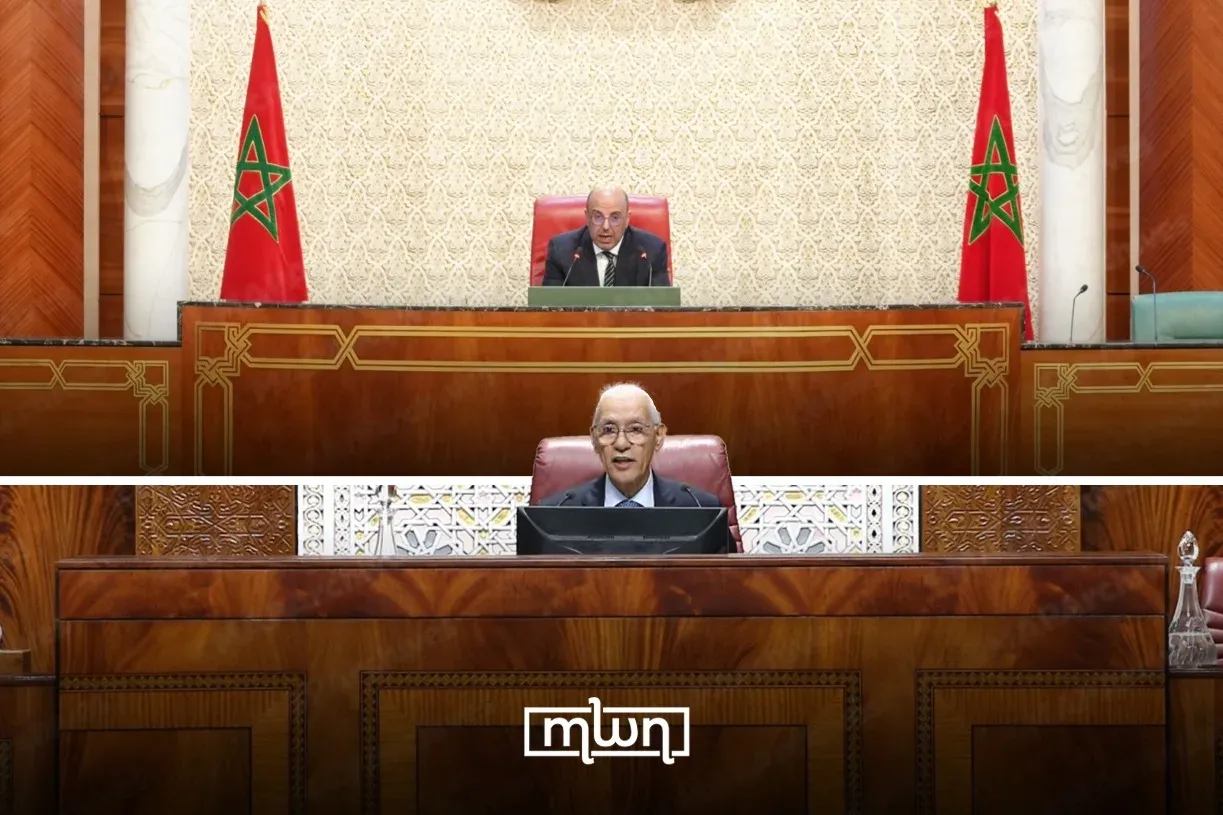
Marrakech – Morocco’s two parliamentary chambers have officially concluded the second session of the 2025-2026 legislative year as of Monday, bringing a remarkable five-year term to a close. This period was characterized by unprecedented legislative activity, a vigorous diplomatic approach concerning Western Sahara, and a notable transformation in the dynamics of government versus member-initiated legislation. With general elections on the horizon in September, both chambers will now enter a recess phase. The presidents of the House of Representatives and the House of Advisors delivered comprehensive assessments of the session's achievements during their final plenary meetings in Rabat, coupled with traditional messages of loyalty to King Mohammed VI.
The Royal Cabinet received heartfelt messages of loyalty from Rachid Talbi Alami, president of the House of Representatives, and Mohamed Ould Errachid, president of the House of Advisors, upon the formal conclusion of this legislative session. Talbi Alami, representing all members of the House of Representatives, expressed sincere sentiments of loyalty and gratitude towards the King, emphasizing that throughout the 11th legislature, which concluded its fifth and final year on Monday, the chamber has been fully committed to exercising its prerogatives in alignment with the constitutional spirit and the reform initiatives championed by the monarchy. He asserted that their collective efforts have been directed towards enriching and modernizing the national legal framework to reflect socio-economic, cultural, and human rights advancements, thereby fulfilling the demands of the New Development Model.
Legislative Milestones and International Engagement
In a significant milestone, the Advisors’ chamber recorded a historic achievement where the number of member-initiated bills voted on surpassed that of government-submitted bills within a single session for the first time. Ould Errachid attributed this success to the collective dedication of the chamber's members towards fostering a vibrant parliamentary legislative environment. The chamber processed a total of 108 legal texts over ten plenary sessions, including 55 member-initiated bills and 53 government bills, showcasing an unprecedented legislative output since the chamber's establishment.
Legislation passed during this session spanned various sectors, with structural reforms reorganizing public entities such as the National Ports Agency and the National Office of Hydrocarbons and Mines. Additionally, significant changes were made to health governance, with amendments to medical regulatory laws and the pharmaceutical code being enacted. The labor code underwent updates for private security agents, while new incentives for companies offering job training were introduced. The legislative agenda also included the reorganization of judicial professions and the amendment of the professional journalists' statute, alongside ratifications of several international agreements. In total, members submitted 1,077 amendments, with 115 being accepted, highlighting the robust engagement within the legislative process.
On the oversight front, the chamber filed 458 oral questions during the April session, with the government providing responses to 264 of these inquiries. The government also received a staggering number of written questions, reflecting a strong commitment to parliamentary oversight and accountability. Minister Delegate for Relations with Parliament, Mustapha Baitas, proclaimed that the current government has demonstrated a greater level of responsiveness to parliamentary initiatives compared to previous administrations, a claim supported by the substantial number of questions addressed and legislation initiated during the 11th legislature.
The diplomatic dimension of the parliamentary agenda has also been significantly enhanced, with Talbi Alami highlighting foreign relations and parliamentary diplomacy as vital components of the chamber's activities. The chamber's efforts surrounding the Western Sahara issue were framed as essential to Morocco's international relations, culminating in the adoption of UN Security Council Resolution 2797, which he described as a pivotal moment in affirming Morocco's territorial claims. Throughout the legislative term, the parliament has actively engaged in multilateral discussions and initiatives, producing numerous international parliamentary documents and hosting various events that have reinforced Morocco's stature and credibility on the global stage.
As the parliamentary chambers conclude this session, both presidents have called for continued dedication and effort in future sessions to enhance the legislature's role in meeting citizens' expectations and addressing pressing national challenges. With a focus on strengthening constitutional roles and ensuring effective governance, the Moroccan Parliament is poised to navigate the upcoming electoral landscape while maintaining its commitment to legislative excellence and international engagement.
As reported by moroccoworldnews.com.