
Introduction of the Africa Multidomain Training and Experimentation Center
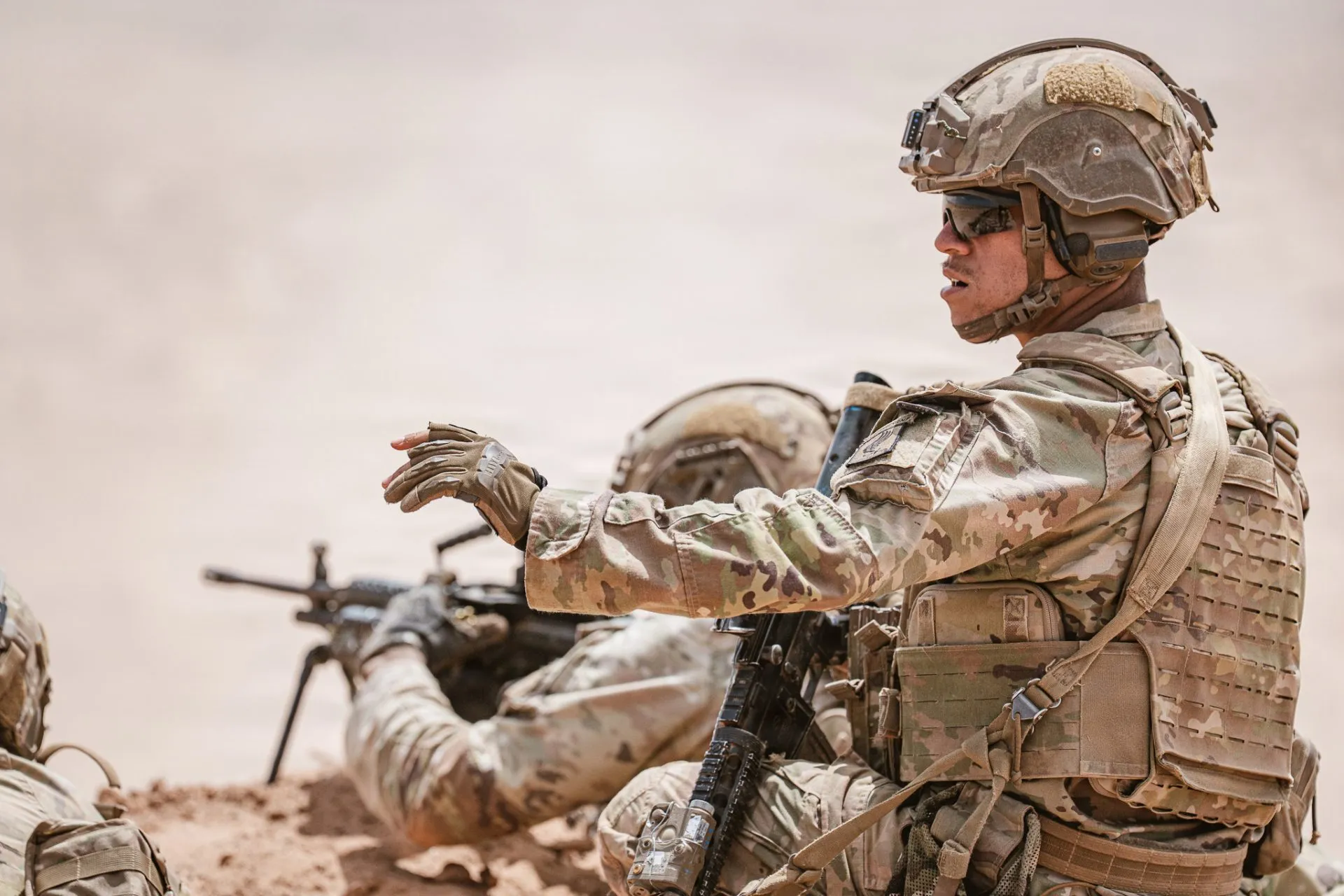
The U.S. Africa Command (Africom) has unveiled plans to establish a cutting-edge training and technology testing facility in Morocco, known as the Africa Multidomain Training and Experimentation Center (AMTEC). Set to be operational by 2030 in Tan-Tan, located on Morocco's southwestern coast, this initiative aims to bolster the capabilities of African military partners in their fight against terrorism, leveraging advanced technologies such as drones and other emerging systems. The announcement follows the signing of a memorandum of understanding between Morocco and Africom, emphasizing a shared commitment to enhance regional security.
Objectives and Features of AMTEC
AMTEC is envisioned as a comprehensive complex that will include a "drone academy" and a dedicated technology center focused on developing, testing, and evaluating innovative capabilities. This facility will be particularly geared towards low-cost and scalable technologies, which are essential for contemporary military operations. Acknowledging the growing threat posed by terrorist networks in Africa, including significant activities in Mali and Somalia, U.S. military leaders, such as Air Force General Dagvin R.M. Anderson, have underscored the urgency of addressing these challenges. He noted that Africa is becoming a focal point of global terrorism, with organizations like ISIS and al-Qaida increasingly establishing operational bases on the continent.
General Anderson articulated the dual nature of Africa's landscape; while it is home to some of the fastest-growing economies, it simultaneously presents the "epicenter" of global terrorism. He emphasized that the affiliates of these terrorist groups, once isolated, are now more interconnected than ever, posing a serious threat to global security. In light of these challenges, Africom is prioritizing collaboration with "willing and capable" African partners to combat these escalating threats.
Moreover, the establishment of AMTEC comes at a time when Africom has experienced a reduction in its operational posture by 75% over the past decade. This decline, coupled with a decrease in allied support, has resulted in significant intelligence gaps that could hinder effective counter-terrorism operations in the region. Recent research has indicated that terrorist factions, such as Boko Haram in Nigeria, are harnessing advanced technologies, including artificial intelligence, to enhance their operational capabilities. This scenario underscores the necessity for the U.S. military to adapt and innovate in its approach to counter-terrorism.
The AMTEC will consist of three primary components, aiming to address threats in West Africa, where militant groups have gained ground amid waning international counter-terrorism efforts. The center will feature a multidomain training area, providing a versatile environment for partner forces to conduct training exercises. This facility will accommodate operations across the full electromagnetic spectrum and in contested environments, enabling enhanced readiness and tactical proficiency.
Additionally, the drone academy will train personnel in the utilization of small unmanned aerial systems, preparing them to integrate these tools into broader counter-terrorism strategies. The Innovation and Experimentation Center at AMTEC will facilitate the development and testing of new technologies, specifically targeting low-cost and scalable solutions. By collaborating with academic institutions and industry partners, the center aims to foster innovation that can be adapted to meet evolving threats.
General Anderson expressed optimism regarding the partnership between the U.S. and Moroccan defense sectors, highlighting the potential for collaborative experimentation and the development of adaptable solutions across emerging technologies. This initiative reflects a broader strategy by the U.S. Army to expand its overseas technology testing capabilities, with discussions ongoing about establishing additional testing ranges abroad.
As part of the rollout for AMTEC, Africom plans to utilize next year’s African Lion exercise as a proof of concept for the center's capabilities. This annual joint exercise, led by the U.S. Army Southern European Task Force, Africa (SETAF-AF), involves numerous countries and emphasizes advanced military capabilities, including sensor technology, drone operations, cyber defense, autonomous ground vehicles, and long-range precision munitions.
As reported by defensescoop.com.