
Morocco's Parliamentary Elections: A Response to Youth Protests and Migration Challenges
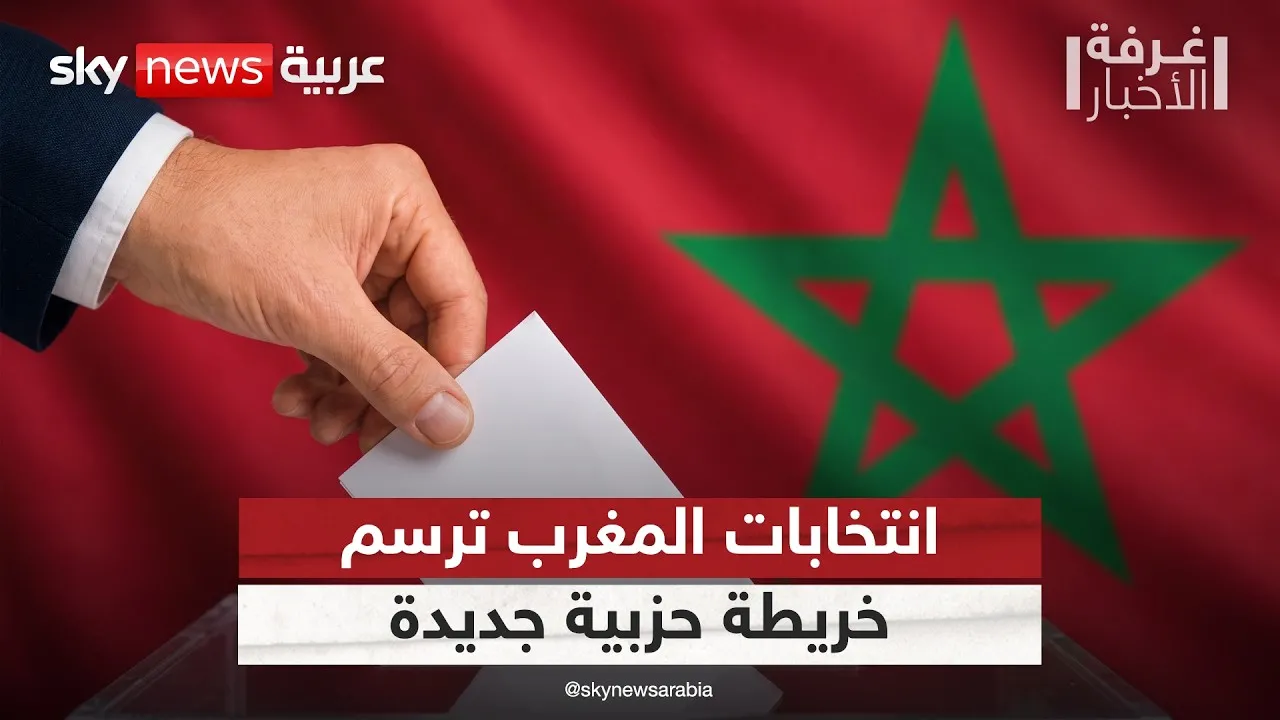
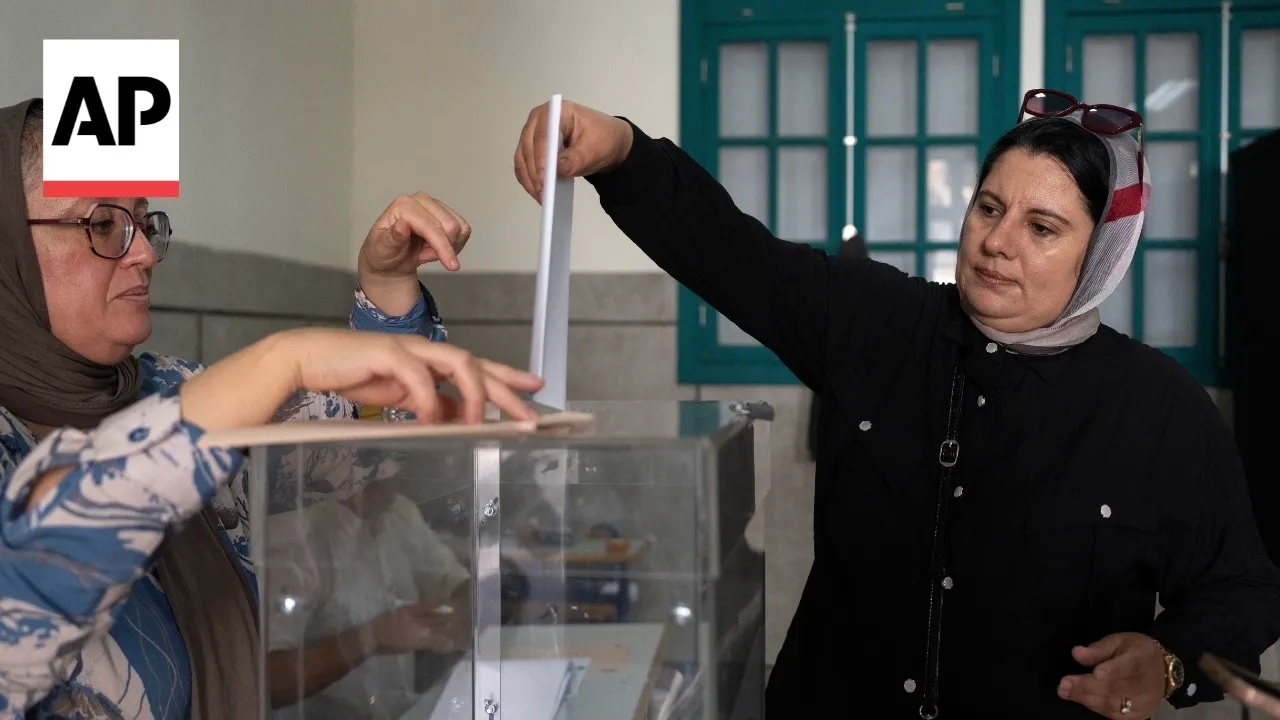
In a significant political event, Moroccan citizens cast their votes on Wednesday morning to elect a new parliament. This election marks the first of its kind following a series of youth-led protests that erupted nearly a year ago, alongside a mass migration crisis as numerous individuals sought to cross the northern border into Ceuta, a Spanish enclave. The recent demonstrations, primarily fueled by the aspirations and frustrations of the younger generation, particularly Generation Z, have highlighted pressing social and economic issues that resonate deeply within the fabric of Moroccan society.
The political landscape in Morocco is being closely scrutinized as voters express their desire for change and accountability in governance. The elections are seen not only as a mechanism for selecting representatives but also as a crucial response to the demands for reforms that emerged from the protests. These demonstrations underscored the need for more effective governance and a stronger focus on issues such as unemployment, economic instability, and the rights of migrants, which have become increasingly urgent topics in recent years.
As the nation embarks on this electoral journey, the implications of these elections extend beyond the immediate political outcomes. They signify a pivotal moment in Morocco’s history, wherein the voices of the youth are beginning to shape the political discourse. The outcome will likely influence the direction of policies that affect not just the current population but also the future generations of Moroccans. Observers and analysts are keenly watching to see how the newly elected representatives will address the challenges posed by both the protests and the migration crisis, which continues to be a point of contention and humanitarian concern.
As reported by youtube.com.