
Election Results Signal Political Realignment in Morocco
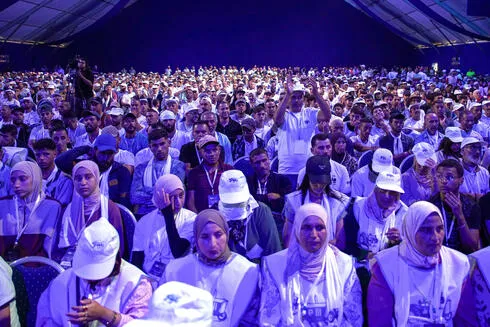
The recent parliamentary elections in Morocco have resulted in a striking defeat for the party leading the outgoing government, while an Islamist party that has taken a firm stance against the country’s ties with Israel has made a notable resurgence. According to the near-final results released by the Interior Ministry, the Authenticity and Modernity Party (PAM) emerged as the largest party, securing 97 out of the 395 seats in the House of Representatives. In contrast, the National Rally of Independents (RNI), which previously headed the government, slipped to second place with 66 seats, while the conservative Istiqlal Party garnered 65 seats. This reshuffling of political power is significant, yet it is expected to have limited impact on the overall balance of authority in Morocco, where King Mohammed VI maintains considerable control over crucial matters such as foreign affairs and security.
The Implications of Voter Apathy and Political Dynamics
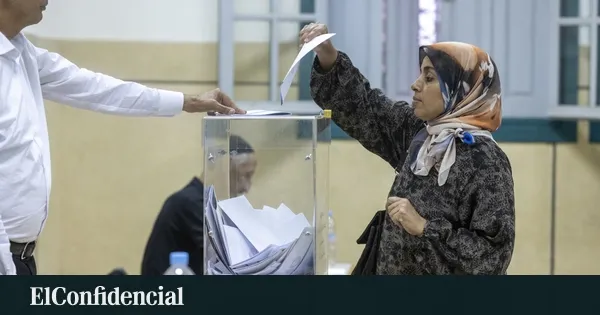
Morocco, a constitutional monarchy with a population of approximately 39 million, has experienced a notable drop in voter turnout, with only around 38% of registered voters participating in the elections. This marks a decline from over 50% in the previous election held in 2021 and is the lowest level of engagement since 2007. The reasons for this lack of participation are varied, stemming from widespread dissatisfaction regarding economic issues such as unemployment, healthcare, and the cost of living. Despite Morocco's economic growth and rising foreign investment, the benefits have not been evenly distributed, particularly impacting the youth, who face an unemployment rate of around 37% among those aged 15 to 24. Such frustrations have led to protests demanding better public services and economic opportunities, further complicating the political landscape.
The Justice and Development Party (PJD), an Islamist party that previously led Morocco's government but suffered a significant loss in the 2021 elections, has made a comeback, increasing its representation from just 13 seats to 54. This resurgence positions the PJD as the fourth-largest party in parliament. However, the implications of these election results for Morocco's diplomatic relationship with Israel remain uncertain. The normalization of relations with Israel in 2020, part of the U.S.-brokered Abraham Accords, has been met with domestic opposition, especially following the recent conflicts in Gaza. The newly elected officials, including prominent figures like Aziz Hanaoui, have expressed strong opposition to normalization, raising questions about the future direction of Morocco's foreign policy.
As the political parties navigate this new landscape, the king's decision on who to appoint as the next prime minister will be crucial in shaping the future government. Potential candidates include Fouzi Lekjaa, a prominent figure in Moroccan football, and Fatima-Zahra El Mansouri, the mayor of Marrakech, who could become Morocco's first female prime minister if appointed. With the new government expected to oversee significant projects leading up to the 2030 FIFA World Cup, there is pressure to address the pressing needs of the populace while maintaining the delicate balance of power established by the monarchy.
As reported by ynetnews.com.