
(AFP) — The recent parliamentary elections in Morocco have revealed a significant shift in the political landscape, as provisional results indicate that the ruling coalition has maintained a dominant position, despite experiencing a marked decrease in voter turnout and notable gains by the Islamist opposition. The center-right Authenticity and Modernity Party (PAM) emerged as the frontrunner, securing 97 out of the 395 available seats in the House of Representatives. Following closely was the National Rally of Independents (RNI), the party currently leading the coalition, which obtained 66 seats.
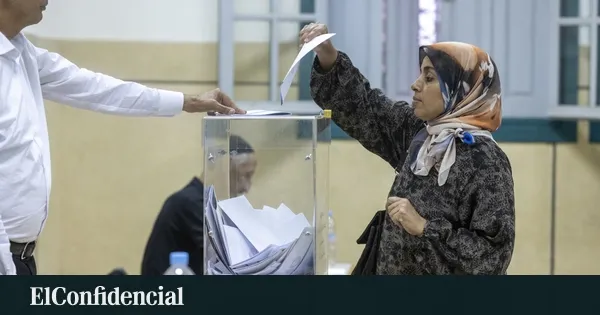
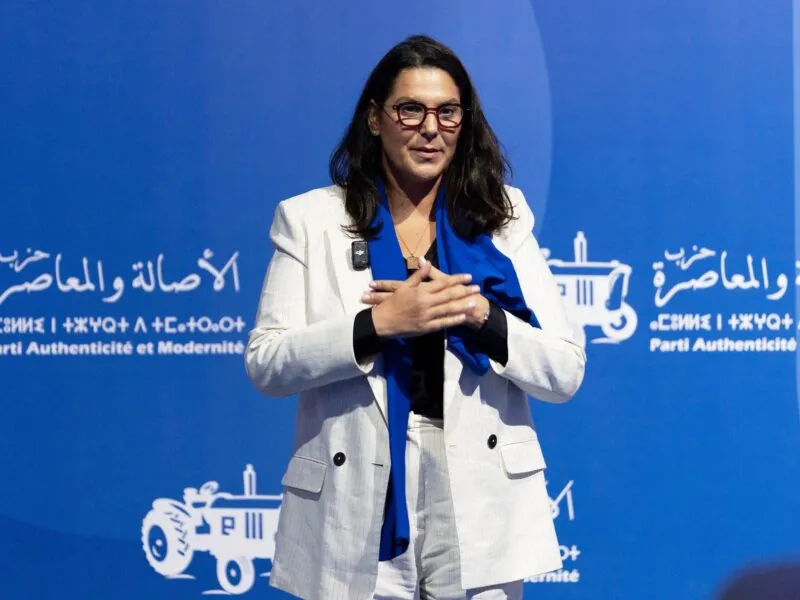
Fatima Ezzahra El Mansouri, the PAM’s national coordinator, expressed gratitude for the public’s trust during a press conference, stating, “Today, we celebrate the valuable trust citizens have placed in us, a trust born of 18 years of relentless struggle.” However, the turnout for this election, particularly among young Moroccans, raised concerns, as it was reported at just 38% among the 16 million registered voters—the lowest since 2007. This decline in participation comes in the wake of a migration crisis that saw tens of thousands of predominantly young Moroccan migrants enter the Spanish enclave of Ceuta, which underscored the growing economic and social frustrations felt by the youth in Morocco, despite the country experiencing economic growth and embarking on significant infrastructure projects in anticipation of co-hosting the 2030 World Cup with Spain and Portugal.
The recent electoral results have been described by political scientist Mohamed Tozy as “fairly predictable,” noting that while PAM did not achieve a landslide victory, it did deploy substantial resources throughout its campaign. Without an outright majority, PAM will need to form a coalition with other parties, and the next head of government, who will be appointed by the king, is expected to be selected from within their ranks. El Mansouri highlighted the PAM’s willingness to engage in coalition discussions, stating, “There is no party with which we refuse to sit down,” although no formal talks had commenced at the time of her comments.
Among the names being considered for the position of prime minister is Fouzi Lekjaa, the current budget minister and president of the Royal Moroccan Football Federation. Additionally, El Mansouri, who also serves as the territorial planning minister and mayor of Marrakesh, could potentially become Morocco’s first female prime minister—a prospect she described as a “great honour.” The PAM has outlined ambitious goals for its five-year term, promising an average annual economic growth of 5%, inflation at 2%, and the creation of at least one million new jobs.
Founded in 2008 by royal adviser Fouad Ali El Himma, the PAM was established as a counterbalance to the Islamist movement. The PAM and RNI were followed in the election results by the right-wing Istiqlal party, which captured 65 seats, and the Islamist opposition’s Justice and Development Party (PJD), which made a significant comeback by winning 54 seats after only securing 13 seats in the previous election cycle. The PJD’s campaign focused on tackling corruption, and its leader, former Prime Minister Abdelilah Benkirane, characterized their performance as a “victory,” although he ruled out joining a coalition led by the PAM, citing concerns about the party's integrity.
Tozy suggested that the PJD’s resurgence reflects a “sanction vote” against the outgoing government, particularly as the party campaigned on a platform aimed at restoring morality in political life and combating corruption. The PJD has been critical of the previous government’s handling of key issues such as purchasing power, youth unemployment, and public services, including healthcare. These challenges have been exacerbated by the recent migration crisis and the protests led by the Gen Z demographic, which called for direct action from King Mohammed VI and demanded the resignation of Prime Minister Aziz Akhannouch, who leads the RNI.
During last year’s protests, demonstrators voiced their demands with slogans like, “We want hospitals, not just stadiums,” highlighting the public's frustration over Morocco’s focus on sports investments at the expense of essential services. While Morocco has hosted major events, including the Africa Cup of Nations soccer tournament, and initiated substantial projects such as stadium construction, high-speed rail networks, and airport renovations, significant social and regional disparities remain, particularly among its youth, who face high unemployment rates. In response to the protests, King Mohammed VI addressed the nation, condemning the uneven pace of development across the country, which he described as occurring at “two speeds.”
As reported by courthousenews.com.