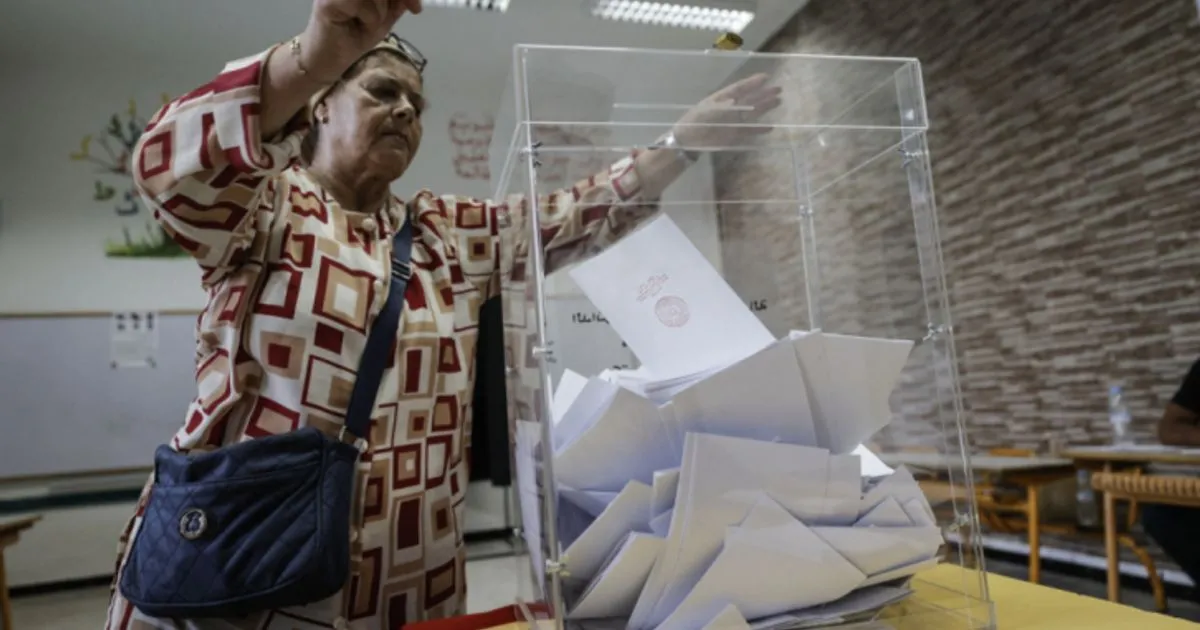
The preliminary official results from the recent parliamentary elections in Morocco, held on Wednesday, reveal that the Party of Authenticity and Modernity (PAM) has emerged victorious, securing the largest number of seats in the parliament. This party is followed closely by its government partners—the National Rally of Independents (RNI) and the Istiqlal Party. The PAM, which leans towards a centrist liberal ideology, won 97 seats in the 395-member parliament, outpacing the RNI, which garnered 66 seats, and Istiqlal, which managed to secure 65 seats. This information was disclosed by Interior Minister Abdelouafi Laftit during a press conference.
Voter turnout for this election was recorded at a mere 38.08%, marking the lowest participation rate since the 2007 elections, which had a turnout of only 37%. These figures raise significant concerns about civic engagement and the public's trust in the electoral process. Following these results, it is anticipated that King Mohammed VI will appoint a representative from the PAM to form a coalition government for the next five years. The PAM was founded in 2008 by royal advisor Fouad Ali El Himma as a counterbalance to the Islamist parties in the political landscape.
In terms of opposition, the Justice and Development Party (PJD), which is Islamic in orientation, has taken the lead among the current opposition parties, finishing fourth with 54 seats after suffering a significant defeat that left them in eighth place with only 13 seats. The party's leader, Abdelilah Benkirane, has voiced concerns regarding the election process, claiming that some polling station heads refused to hand over reports to the party's observers.
The election campaign was heavily influenced by pressing issues such as purchasing power, social inequalities, and youth unemployment, which have resurfaced in the national dialogue amid a surge of thousands of migrants crossing into the Spanish enclave of Ceuta at the end of July. The PAM's electoral program promises the creation of one million jobs over the next five years, an annual growth rate of 5%, and initiatives aimed at boosting purchasing power while improving public services in health and education.
However, the PAM has faced challenges in presenting a clear leader, as three officials currently manage its operations. Among them is Fatima Zahra Mansouri, the Minister of National Planning and Urbanism and the Mayor of Marrakech, who is being touted by some media as a potential first female Prime Minister of Morocco. Just weeks before the elections, the party also welcomed a new member, Budget Minister and Chairman of the Moroccan Football Federation, Fouzi Lekjaa, who, despite his popularity among football fans, lacks political experience. He has also been suggested by the media as a potential candidate for Prime Minister.
Current Prime Minister Aziz Akhannouch, who stepped down from his leadership of the RNI in February, returned to spearhead the party's campaign, praising the resilience of Morocco’s economy in light of the impacts of the ongoing conflicts in Ukraine and the Middle East. Nevertheless, this wealthy businessman faces accusations of conflicts of interest due to his ownership of Africa Gas, a major fuel company in Morocco.
As reported by france24.com.