
Harnessing Phosphate for Industrial Growth
Morocco is home to nearly 70% of the world’s known phosphate reserves, a resource that is crucial yet often overlooked in economic discussions compared to oil, gas, copper, or lithium. Phosphate is essential for producing fertilizers, and without it, global agricultural yields would significantly decline. Unlike nitrogen, which can be synthesized from accessible raw materials, phosphorus must be extracted from natural deposits, which are unevenly distributed worldwide. This distinct characteristic gives Morocco a unique advantage in a commodity directly tied to food security. According to the US Geological Survey, the Kingdom boasts approximately 50 billion tons of phosphate reserves, making it a significant player in the global market. For a long time, this wealth was primarily seen as a mining rental income, but Morocco has shifted its focus towards developing a more integrated industry around phosphate, aimed at producing more locally and reducing dependencies.
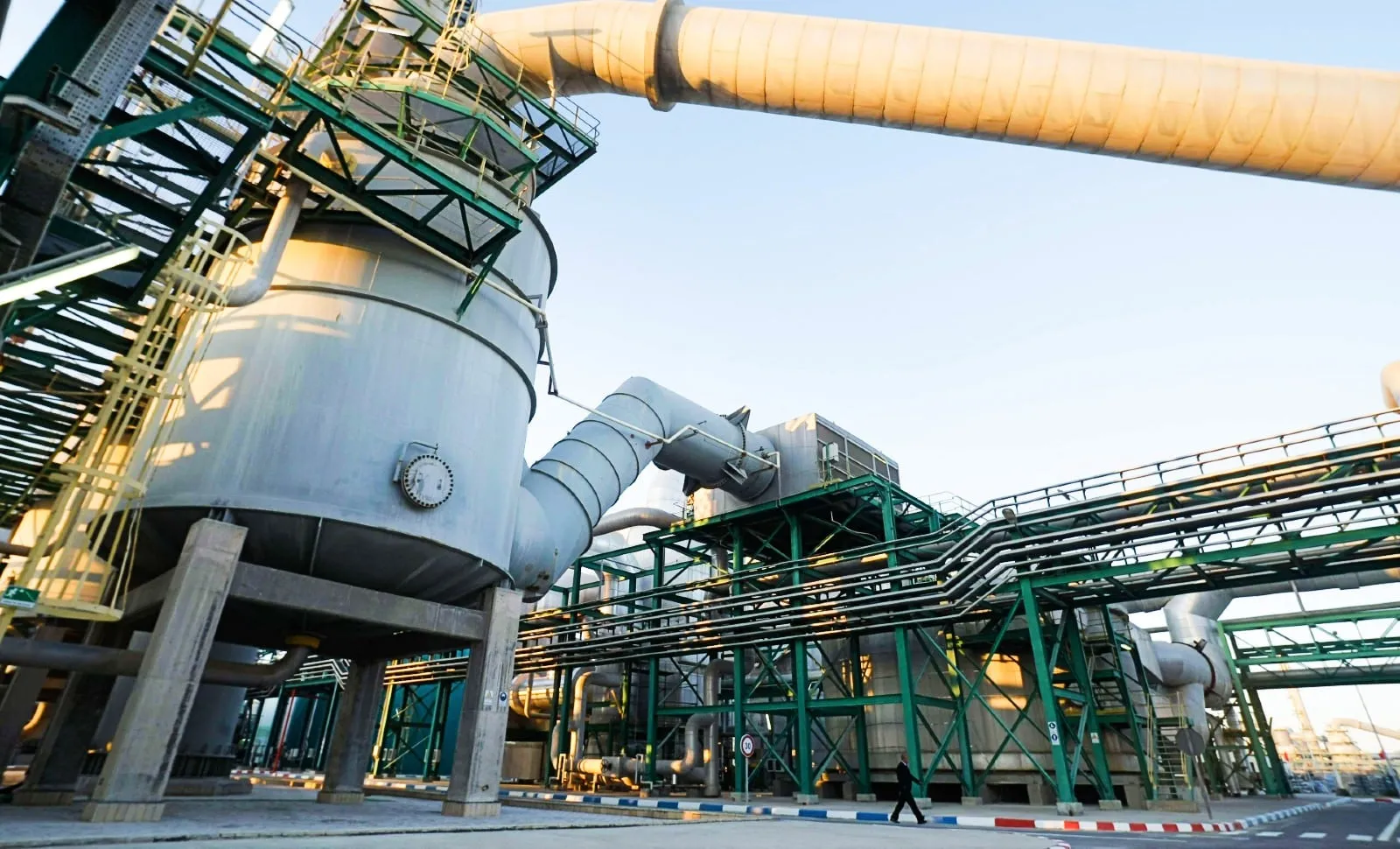
The evolution of the Office Chérifien des Phosphates (OCP) exemplifies this transformative journey. Traditionally a producer and exporter of raw phosphate, OCP has diversified its operations to include fertilizers, plant nutrition, and higher-value phosphated products. The company is also investing heavily in the necessary support systems, such as water, energy, and infrastructure, to ensure the sustainability of its operations. This integrated approach addresses the practical challenges of phosphate extraction and processing, which require substantial amounts of water and energy, as well as raw materials that Morocco still imports, such as ammonia. External factors like prolonged droughts, surging energy prices, or disruptions in maritime routes can have immediate impacts on production costs.
To mitigate these vulnerabilities, OCP has initiated a green investment program amounting to approximately $13 billion from 2023 to 2027. The goal is not only to boost fertilizer production but also to develop renewable energy sources, seawater desalination capabilities, and ultimately, the production of green ammonia in Morocco. This strategic shift indicates that the company is striving to control not just the phosphate but also the surrounding resources essential for its industry.
Water Management: A Critical Priority
Water management is perhaps where this strategy is most prominently displayed. Morocco has been experiencing severe water stress for several years, with prolonged droughts and over-exploited aquifers leading to declining reservoir levels. In this context, the water consumption of a mining industry of this scale could no longer rely on the same resources used by urban areas and agriculture. OCP has therefore invested in seawater desalination and the reuse of treated wastewater. By 2025, the water needs for its mining and industrial activities will be entirely met by these so-called non-conventional resources, with OCP Green Water boasting an installed capacity of 320 million cubic meters, expected to reach 610 million cubic meters by 2027.
A project linking Jorf Lasfar to Khouribga illustrates the scale of the necessary infrastructure. A pipeline over 200 kilometers long now transports desalinated water from the Atlantic coast to Morocco's primary phosphate basin. In Benguerir, treated wastewater from Marrakech is utilized for mining operations. The benefits of these facilities extend beyond industrial sites, as OCP also provides potable water to several cities, including Safi and El Jadida, and parts of southern Casablanca, with new infrastructures helping to supply Khouribga.
This transformation is far from trivial; an industry that was once among the largest water consumers in the country has built its own alternative capacities and is now contributing to urban water supply through some of its infrastructures.
In addition to water management, OCP is focused on securing energy and raw materials vital for fertilizer production. With the aim of increasing fertilizer production capacity to 20 million tons, the company is concurrently developing its renewable energy capabilities and preparing for the production of green ammonia in Morocco. This endeavor is significant, as OCP currently relies on importing substantial quantities of ammonia, with prices influenced by gas costs and international trade conditions. Disruptions in maritime routes or spikes in energy prices directly impact fertilizer production costs.
Producing ammonia in Morocco would reduce a significant dependency and add a new link to the industrial chain built around phosphate. This evolution is not solely a corporate strategy; it aligns with a broader industrial policy initiated by Morocco under King Mohammed VI's leadership. The investment program presented to the monarch in 2022 accelerated this direction, which had already begun earlier. The vision is to no longer view phosphate merely as a raw material primarily for export, but as a starting point for broader industrial activities in fertilizers, chemistry, energy, and research.
The Mohammed VI Polytechnic University is actively involved in this initiative, focusing on agriculture, chemistry, materials, and energy technologies. Simultaneously, OCP is exploring new avenues for phosphate, including applications in battery materials. The underlying principle is straightforward: retain a growing share of the value created from a resource for which Morocco holds the majority of known global reserves.
The focus on water management could serve as a model beyond Morocco's borders. Water has become a significant point of contention in mining activities worldwide, with competition for this resource among industries, farmers, and local populations. Given Morocco's water stress, OCP's reliance on non-conventional resources presents an experience that other raw material-producing nations may find valuable. However, challenges remain. Desalination is energy-intensive, and constructing pipelines over long distances is costly. Fertilizer production is still vulnerable to global market fluctuations and trade tensions, and any increase in industrial capacity inherently creates new demands.
Nevertheless, a shift in mindset is already noticeable. Morocco is no longer content with merely possessing a strategic resource; it is actively seeking to build surrounding elements such as water, energy, research, and industrial capacities necessary to extract greater value and secure its production. As food security, access to water, and supply chain management regain central importance, Moroccan phosphate takes on a significance that far exceeds that of a mere mining wealth.
As reported by causeur.fr.