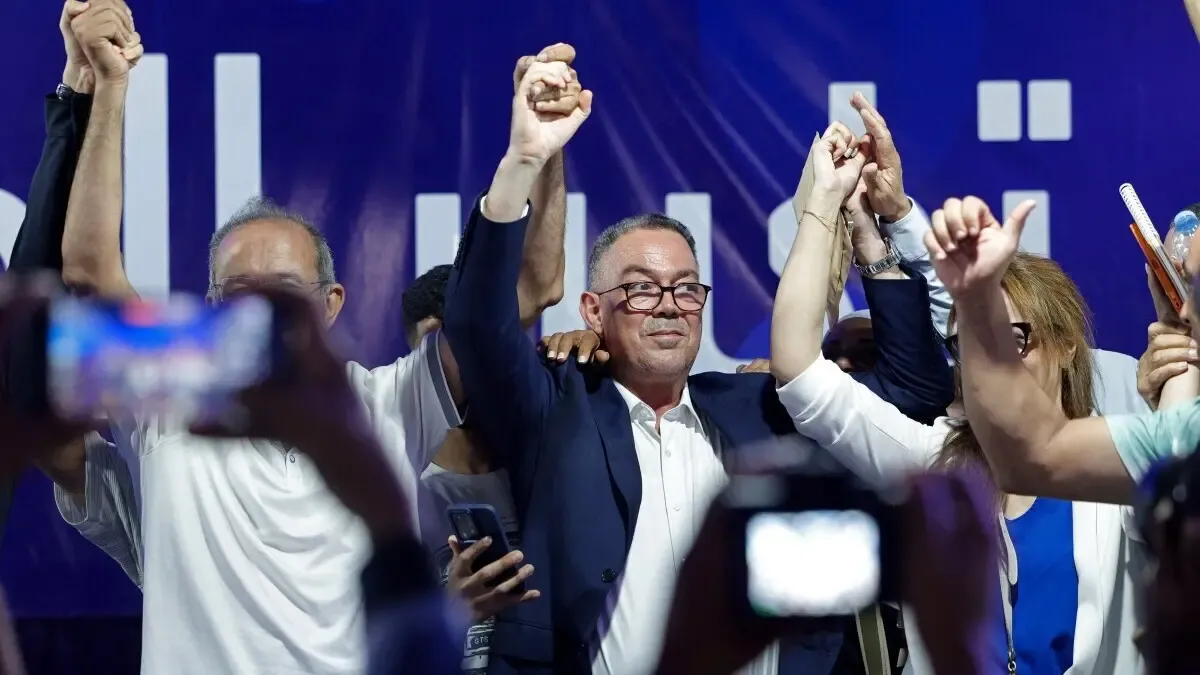

On September 20, 2026, Fouzi Lekjaa, the president of the Royal Moroccan Football Federation, held an electoral gathering in Benslimane as part of the campaign for the Authenticity and Modernity Party in preparation for Morocco's legislative elections. As voters head to the polls today, Wednesday, the outcomes of these elections will play a crucial role in determining the government that will oversee the final stages of a $20 billion plan aimed at hosting the 2030 World Cup. This plan also includes initiatives designed to redirect economic benefits towards the disillusioned youth of the country. While these parliamentary elections are unlikely to bring about significant shifts in the political power dynamics within Morocco, the king retains extensive powers in shaping political directions, particularly concerning defense and foreign affairs.
The upcoming House of Representatives will be charged with implementing initiatives that increasingly focus on addressing the grievances of young people, which have manifested in attempts at mass border crossings into the Spanish enclave of Ceuta and protests led by Generation Z that resulted in fatalities last year. Currently, the government comprises three parties, two of which were founded by individuals closely associated with the royal palace. These parties have displaced a moderate Islamic party that had come to power a decade ago following the Arab Spring protests in 2011. Those protests had initially led to an expansion of powers for the elected parliament, only for the king to reassert control over key areas such as foreign affairs and the Ministry of the Interior.
Under the constitution ratified in 2011, the king appoints the prime minister from the party that secures the most seats in the 395-member parliament. Subsequently, the prime minister must negotiate to form a coalition government before presenting a list of ministers for the king's approval. Polling stations are set to open at 8 AM GMT and close at 7 PM. Preliminary results are typically announced the day after the elections. Voter turnout, especially among young voters, will be closely monitored, as it is seen as an indicator of public engagement and trust in elected institutions. Morocco has approximately 27 million citizens eligible to vote, but only about 15.8 million are registered, reflecting a drop of nearly 12% compared to the 2021 elections.
As reported by alhadath.net.