
Voters Seek Solutions to Economic Disparities
As Moroccans prepare to cast their votes in parliamentary elections, the overarching themes of employment, fair wages, reduced inequality, and improved public services dominate the discourse. With the nation poised to co-host the 2030 FIFA World Cup, the stakes are incredibly high, leading some to label this government the 'World Cup government.' There is even speculation regarding the emergence of a prominent soccer figure as the next prime minister. The forthcoming leadership faces the monumental task of addressing the pressing socio-economic concerns of the populace while navigating the intricate dynamics of a powerful monarchy that retains significant authority over critical state matters.
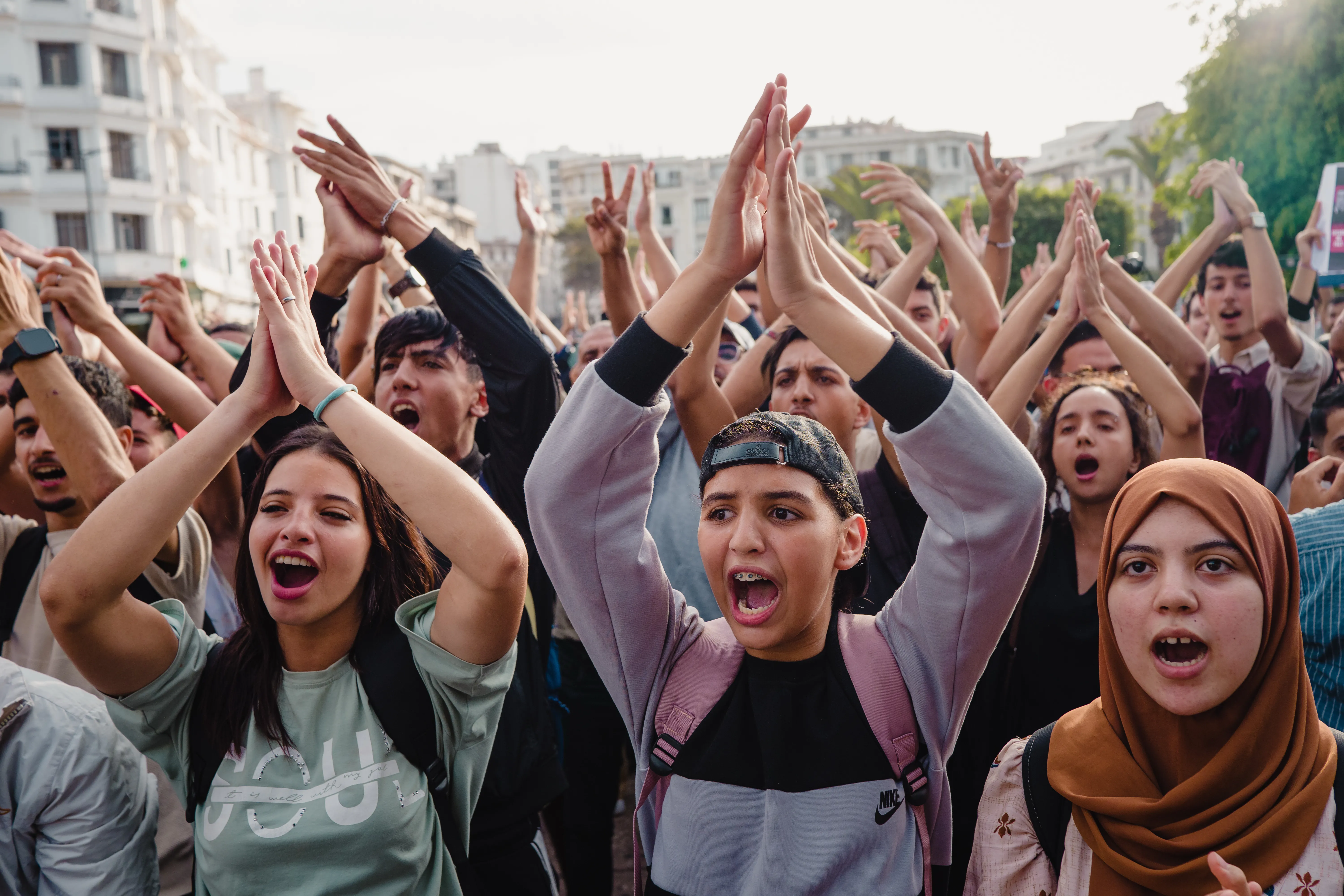
This election marks a significant moment in Moroccan politics, being the first since the tragic protests led by the youth nearly a year ago, which were sparked by escalating frustrations over economic conditions. The mass migration attempts into the Spanish enclave of Ceuta in July, which resulted in numerous fatalities, have further intensified the urgency for change.
Promises of Progress Amidst Economic Growth
While Morocco's economy is on an upward trajectory, attracting foreign investments and developing new industries, the reality of job scarcity looms large. Despite being one of Africa's premier tourist destinations and maintaining strong diplomatic ties with Western nations, including Israel, the nation grapples with stark inequalities. Approximately 12.7% of the population lives in relative poverty, highlighting the disconnect between economic growth and job creation.
In response to these challenges, political parties have rolled out ambitious election manifestos, pledging improvements across various sectors. With 7,288 candidates from 27 parties vying for 395 parliamentary seats, the RNI party promises a minimum monthly wage of 5,000 dirhams (approximately $525) and the creation of one million jobs. Similarly, the PAM party has committed to tax exemptions for salaries below 15,000 dirhams ($1,575) and plans to provide 100,000 housing solutions for the youth. Other parties, such as the Istiqlal Party and the leftist PPS, have outlined strategies to enhance public health services and reduce school dropout rates, respectively. Meanwhile, the moderate Islamist PJD party seeks to bridge the economic divide between urban centers like Casablanca and rural areas.
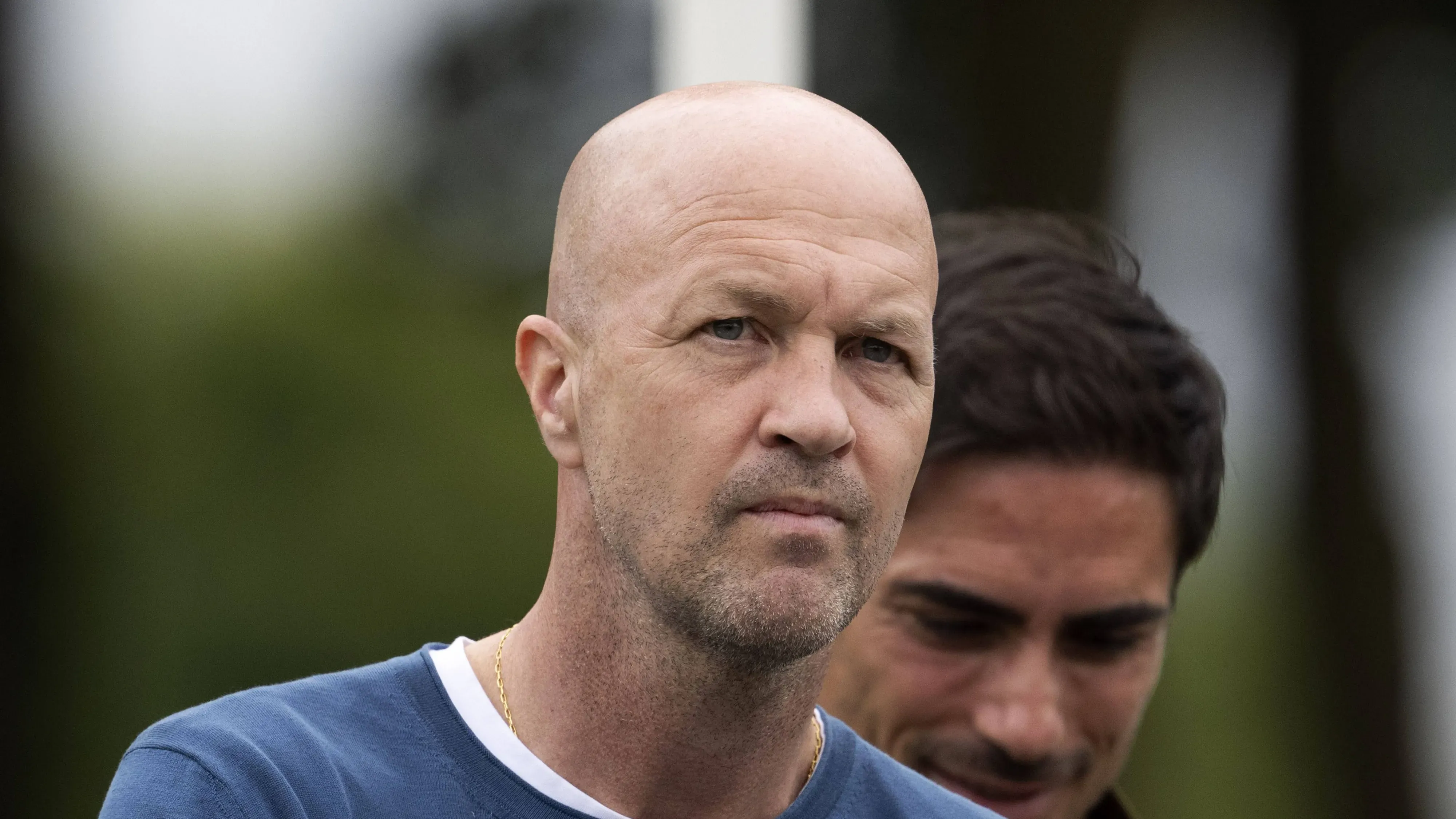
As the elections approach, the question of leadership becomes increasingly pertinent. The king holds the constitutional authority to appoint the prime minister from the leading party, but the absence of a clear majority necessitates coalition-building. Potential candidates for the prime ministerial role include Faouzi Lakjaa, president of Morocco's soccer federation, and Fatima-Zahra Mansouri, the mayor of Marrakech, who could become the first female prime minister if her party secures victory. Observers are also monitoring the ambitions of Nizar Baraka, a prominent figure within the PI party, and former Prime Minister Abdelilah Benkirane, who seeks a political resurgence after a significant loss in the previous elections.
However, the youth of Morocco express deep skepticism towards the electoral process. With youth unemployment soaring to 37% and millions disillusioned with traditional politics, many young individuals have resorted to protests and desperate attempts to migrate for better opportunities. Figures such as Ayoub Lasli, who attempted to swim into Ceuta, voice their discontent with the political landscape, emphasizing a desire for tangible change rather than mere electoral engagement. Others, like Ayoub Belaidi, advocate for a more hopeful outlook, suggesting that the youth's voices must be amplified for real change to materialize. Amidst a declining voter registration rate, observers anticipate low turnout, a telling indicator of the populace's engagement with the political system.
As reported by arabnews.com.