
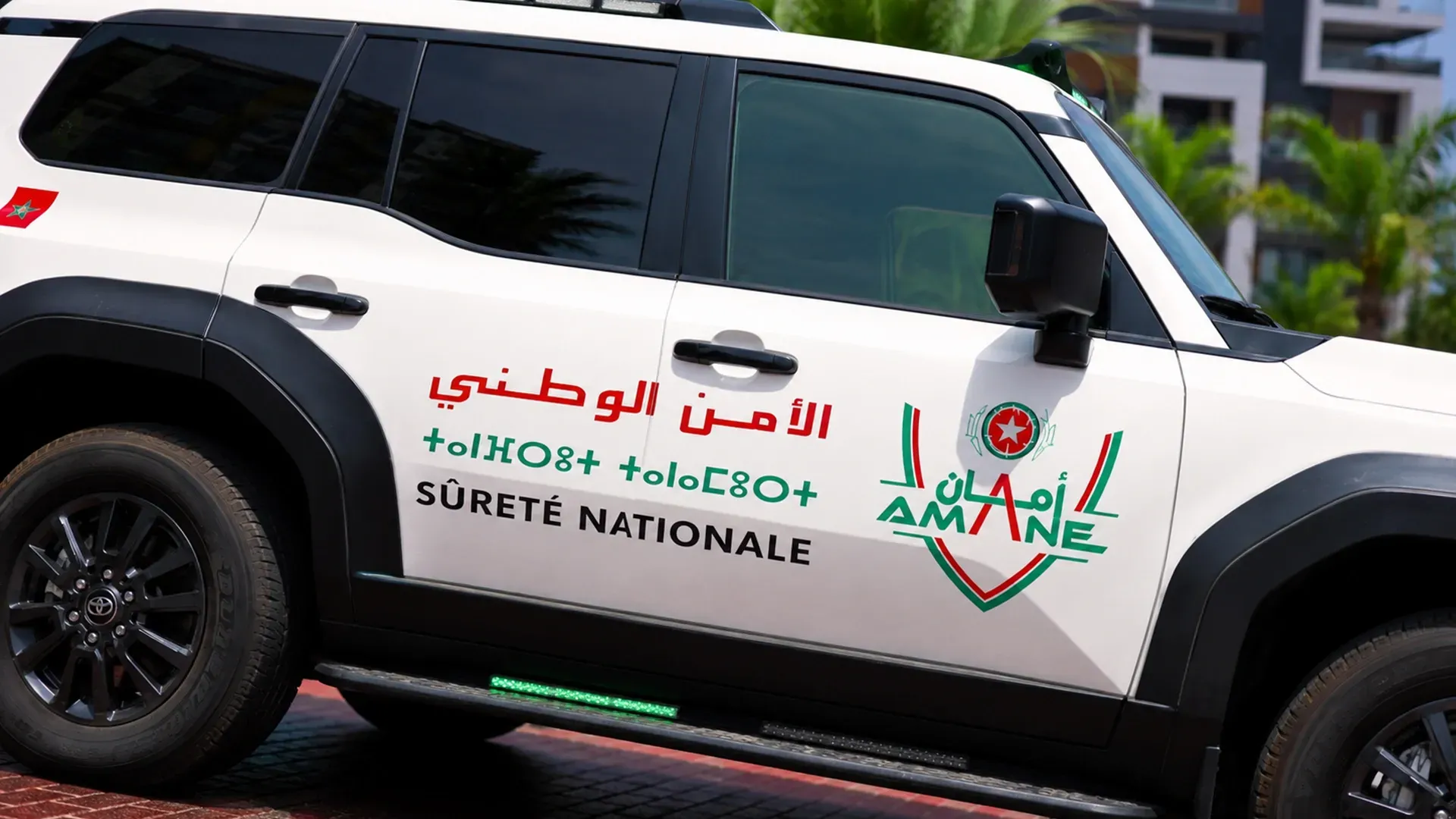

Revolutionizing Urban Security with AI-Enhanced Patrols
The General Directorate of National Security (DGSN) has officially commenced the operational deployment of its first intelligent patrol vehicles, named "Amane" and "Madar," in Rabat during the week of July 21, 2026. These vehicles are equipped with advanced artificial intelligence technologies designed for real-time analysis of urban environments. Following extensive phases of design, field testing, and training of the teams responsible for their operation, the DGSN is proud to introduce these patrols to the capital city.
This initiative represents the first step in a broader deployment plan which aims to expand the reach of these smart patrols to other major cities, including Casablanca and Tangier. The ultimate goal is to establish a network of interconnected patrols capable of relaying information in real-time to command centers, enhancing the overall efficiency of urban law enforcement.
Innovative Features of the Amane and Madar Patrols
The "Amane" and "Madar" vehicles were developed internally by the DGSN's technical teams, who describe them as mobile surveillance platforms that integrate computer vision, biometric recognition, and geolocation technologies. Amane is equipped with 360-degree panoramic cameras, an onboard drone for aerial surveillance, and an alert system that is connected to command rooms. This sophisticated design enables real-time identification of stolen or suspicious vehicles through automatic license plate reading and facial recognition technologies, achieving a remarkable accuracy rate of up to 95%—with alerts being promptly transmitted to operators.
Madar, on the other hand, transforms a conventional patrol vehicle into a mobile surveillance platform with the capability to monitor up to six traffic lanes simultaneously. It features a central camera that can rotate a full 360 degrees in less than three seconds, ensuring comprehensive situational awareness in urban settings. The data collected from these sensors is centralized in a system called Smart.Viewer, which aggregates images from various cameras, alerts generated by AI algorithms, and geolocation data, assisting operators in effectively coordinating the deployment of units in the field.
This deployment is part of a broader security and digital doctrine that the DGSN has been promoting, emphasizing the use of forensic science and artificial intelligence in modern policing. During its 7th Open Days event, the DGSN showcased Amane and Madar as symbols of a new generation of Moroccan police, capable of automating the detection of license plates linked to wanted vehicles and identifying flagged individuals through facial recognition, all while ensuring human oversight in intervention decisions.
The modernization of surveillance methods coincides with the signing of a convention on September 11, 2025, between the Ministry of Digital Transition and Administrative Reform and the National Commission for the Control of Personal Data Protection (CNDP). This agreement aims to establish a national framework for “Responsible AI,” which includes specific references to data protection and safeguards for citizens. Furthermore, the deployment of AI-enhanced police patrols aligns with the “Morocco Digital 2030” strategy, which prioritizes artificial intelligence as a vital lever for the modernization of public action and security services.
As of now, the DGSN has not released a detailed timeline or quantitative assessment regarding the expected impact of these intelligent patrols on response times, case resolution, or crime reduction in the areas covered. Public discourse in Morocco is already engaging with the implications of facial recognition technology and the expansion of intelligent camera networks, particularly in anticipation of major events such as the 2025 Africa Cup of Nations and the 2030 World Cup, which are expected to accelerate investments in urban security measures.
Following the initial deployment phase in Rabat, the DGSN plans to extend the use of Amane and Madar to Casablanca and Tangier, with further expansion to other major urban centers contingent upon feedback from the first weeks of operation. Authorities emphasize that these smart patrols aim to enhance the detection of offenses and improve the safety of officers in the field while remaining compliant with national regulations regarding personal data protection. The initial operational phase of the intelligent vehicles in Rabat will allow the DGSN to evaluate their functionality before considering a gradual rollout to additional cities and units. Future institutional communications from the DGSN, particularly during technology presentation events, may provide further clarification regarding the deployment trajectory of these systems and their regulatory framework regarding data usage and compliance.
As reported by capmad.com.

