
Morocco's Political Landscape Under New Leadership
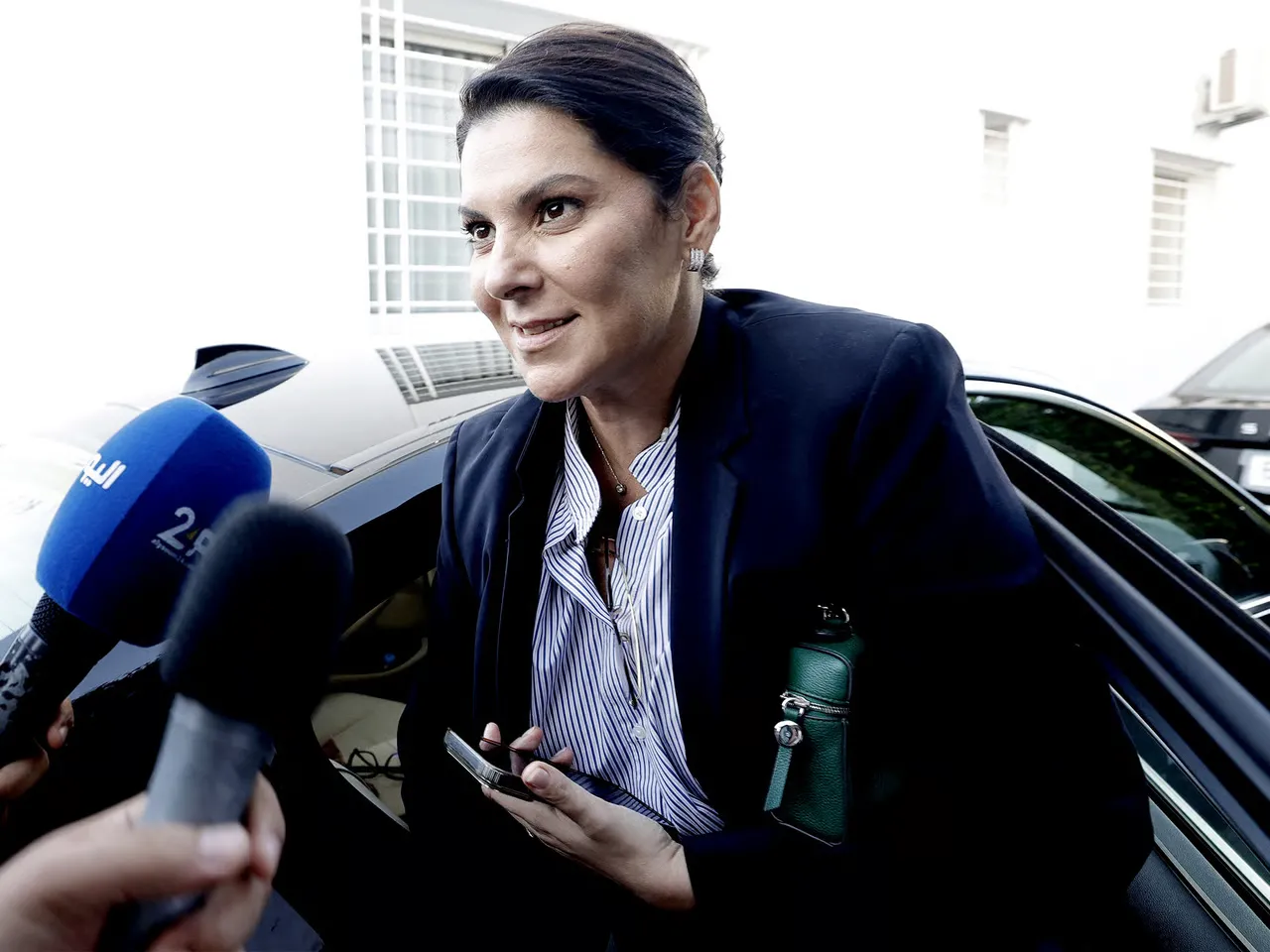
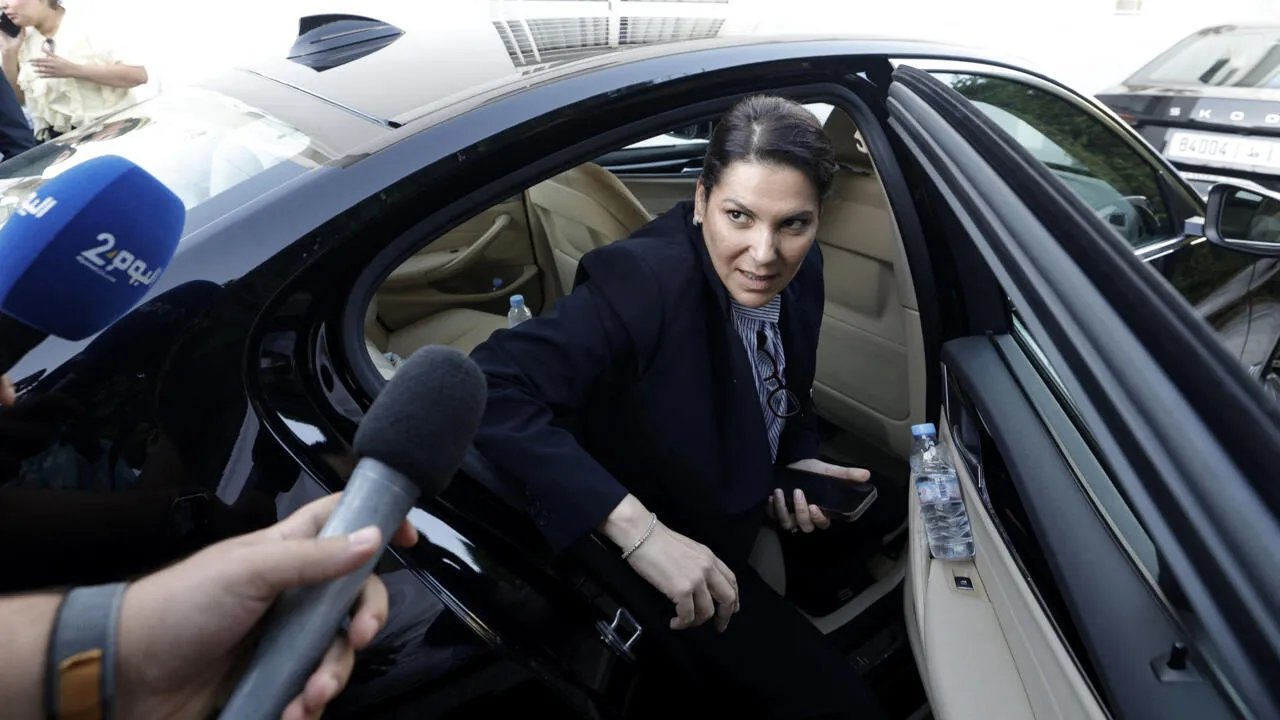
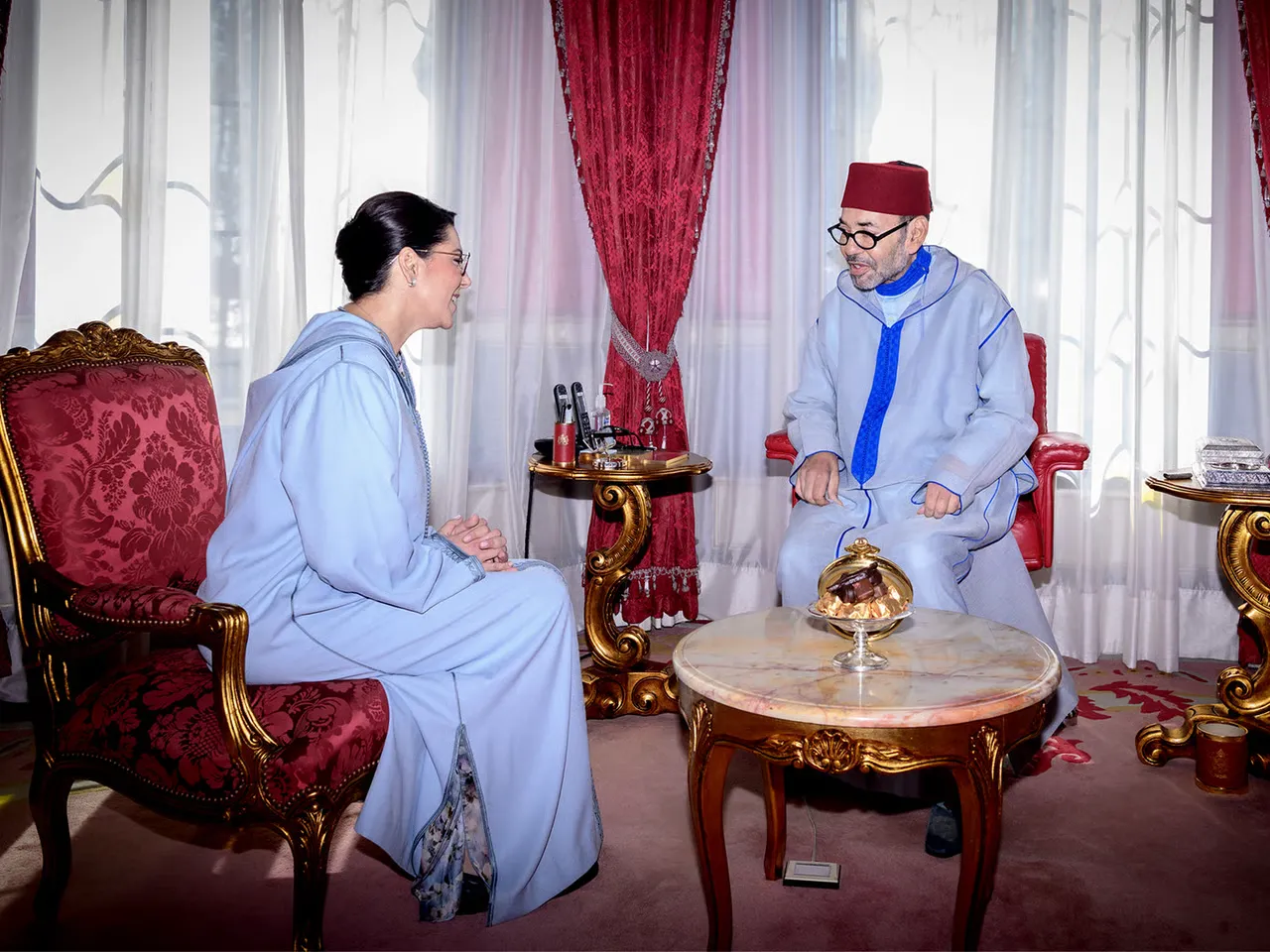
In a significant shift for Moroccan politics, the appointment of Fatima-Ezzahra El Mansouri as the head of government marks a historic moment as she becomes the first woman to hold such a position in the country. This milestone, however, is more than just a symbolic victory for gender representation; it coincides with a broader political transformation following the recent elections held on September 23, which have redefined the dynamics within the Moroccan parliament. The new government faces the daunting challenge of engaging abstentionist voters, forging a coalition that transcends mere political appointments, and giving substantial meaning to the electoral victory. As El Mansouri embarks on this critical journey, the expectations from her leadership are immense, reflecting the hopes of a nation eager for progress and reform.
Challenges Ahead for Fatima-Ezzahra El Mansouri
El Mansouri’s leadership comes with the heavy responsibility of convincing a significant segment of the population that has previously opted out of the electoral process. The task at hand is not simply to form a government but to build a coalition that operates effectively and resonates with the citizens' needs. This requires a thoughtful approach that goes beyond traditional power-sharing arrangements and genuinely addresses the aspirations of Moroccan society. Furthermore, the new government's success will largely depend on its ability to navigate the complexities of coalition politics and to foster a sense of unity among disparate political factions. As Morocco stands at this critical juncture, all eyes are on El Mansouri to see if she can leverage this historic appointment into meaningful governance that reflects the will of the people.
As reported by jeuneafrique.com.