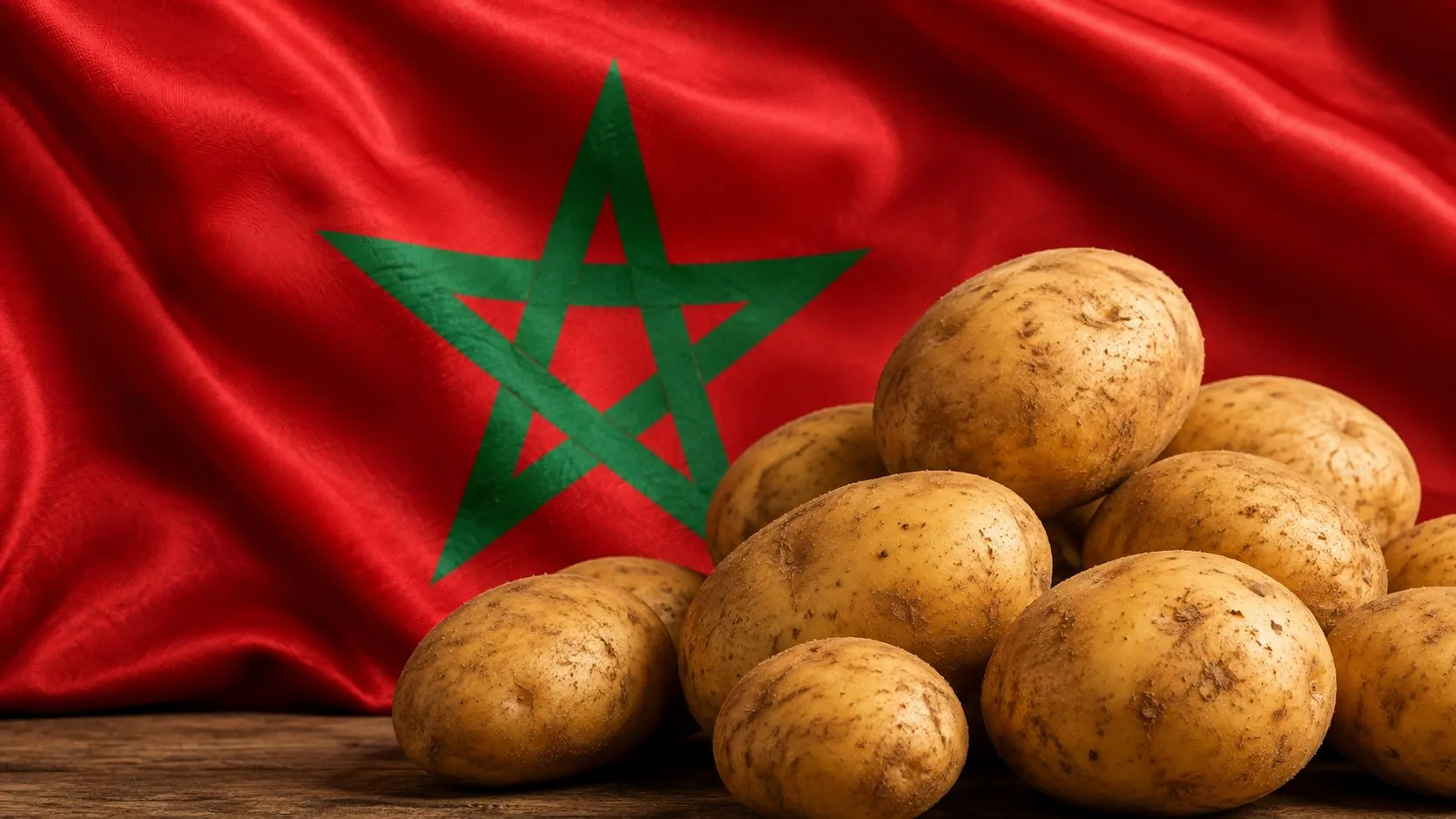

In the marketing year 2025/26, Morocco's ware potato market experienced unprecedented disruptions, compelling the nation to turn to international suppliers to counteract domestic shortages. Between July 2025 and June 2026, imports of fresh ware potatoes soared to over 12,000 tons, a staggering figure that is 50% greater than the cumulative imports recorded in the previous five years. Notably, this volume is 2.4 times higher than the previous high established during the marketing year 2008/09, highlighting an extraordinary shift in the country's agricultural landscape.
The catalyst for this surge in imports was severe flooding that struck northern production areas during January and February 2026, particularly affecting the Loukkos basin. Many potato fields were severely inundated, leading to significant crop losses; numerous farms reported complete harvest failures due to the relentless rains. As domestic supplies dwindled, the necessity for imports became increasingly apparent, with a sharp rise beginning in March and peaking in April and May, during which these months accounted for nearly 80 percent of the total imports for the year.
European nations played a pivotal role in meeting Morocco's import demands. The Netherlands was the primary supplier, contributing over half of the total shipments, while France and Belgium supplied nearly one-third and the remainder, respectively. The timing of these imports proved crucial, as Europe was simultaneously grappling with an oversupply of old-crop ware potatoes, resulting in collapsing market prices. Dutch surpluses were estimated at around 500,000 tons, with market prices for free potatoes trading at negative values. Meanwhile, Belgian potatoes were effectively priced close to zero, and French producer prices in April dipped more than 20% compared to the previous year.
This unique interplay of domestic shortages in Morocco and a surplus in Europe created a favorable environment for international trade. Moroccan importers successfully stabilized the local market by introducing affordable European ware potatoes, while exporters from Europe found a vital outlet for their excess stock. This situation underscores the inherent vulnerability of Morocco's potato sector to climatic disruptions. Following years marked by drought, the country faced an unexpected challenge in 2026—excessive rainfall and resultant flooding. This led to a temporary yet severe imbalance in supply, resulting in soaring domestic prices and an increased dependence on imports to bridge the gap until new harvests became available in May.
As reported by east-fruit.com.