
Record Low Voter Participation in Morocco's Parliamentary Elections
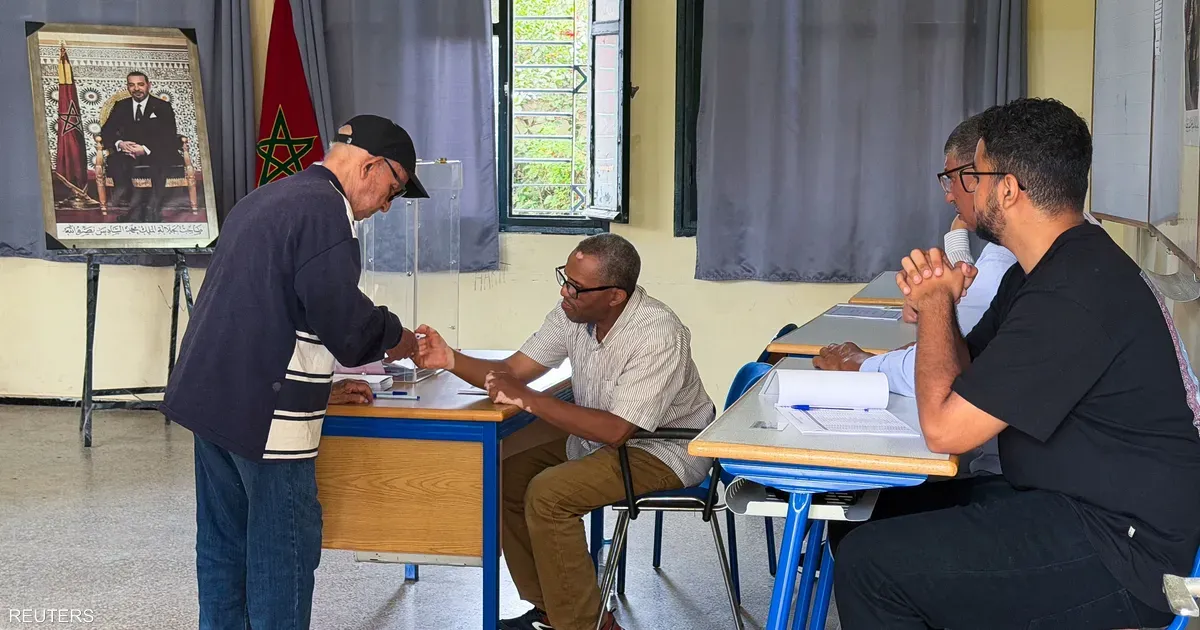
In a striking demonstration of voter apathy, Morocco's recent parliamentary election has recorded an unprecedented turnout of only 38 percent, marking the lowest participation rate in nearly two decades. This significant decline, reported by authorities on Wednesday, is particularly concerning given that the kingdom has nearly 16 million registered voters. The election took place against a backdrop of growing social crises, including high unemployment and rampant inequality, which have left many citizens disillusioned with the political process.
The election follows a tumultuous period that included a mass migration crisis where thousands of young Moroccans attempted to enter the Spanish enclave of Ceuta. Notably, only about four percent of registered voters fell within the 18 to 24 age bracket, a demographic that has been increasingly vocal in demanding reforms. In September 2025, a Gen-Z protest movement emerged, calling for improvements in health care and education, highlighting the urgent need for political engagement and reform.
Voter Sentiments and Political Landscape
The stark contrast in turnout figures compared to the 50 percent recorded in the 2021 elections underscores a growing disenchantment among the electorate. Many voters expressed a deep sense of betrayal and frustration regarding issues that directly affect their daily lives, such as healthcare and education. For example, 59-year-old Majda Bakatir expressed her disillusionment, stating, "I'm not going to vote because I have lost all faith in the political class." Her sentiments were echoed by others who feel that their pressing concerns are being ignored by politicians. In contrast, some, like 55-year-old Karim Ennaciri, opted to vote in hopes of witnessing a renewal within the political parties, highlighting the divided sentiments among the populace.
Despite the overarching discontent, Morocco's economy has demonstrated growth, and the government has been engaged in various infrastructure projects, particularly in the lead-up to co-hosting the 2030 World Cup with Spain and Portugal. However, such grand ambitions have also fueled criticism that the government is prioritizing sporting endeavors over essential public services, as noted by researcher Lamia Elfehaim. The prime minister, appointed by the king from the party securing the most seats, remains influential in shaping the government's direction, yet retains limited control over major policy decisions.
The National Rally of Independents (RNI), currently leading the governing coalition, is perceived as a frontrunner in these elections. Despite his resignation from party leadership, Prime Minister Aziz Akhannouch has defended his administration's record, citing improvements in social security coverage and pledging further reforms if re-elected. However, he has faced scrutiny over potential conflicts of interest linked to his business ventures, as well as calls for his resignation from youth-led protests.
As Morocco navigates through these politically charged waters, the outcomes of this election may serve as a litmus test for the future of its governance and the engagement of its younger electorate, who are increasingly advocating for a political landscape that addresses their needs and aspirations.
As reported by afp.com.