
Morocco's Ambitious Renewable Energy Initiatives
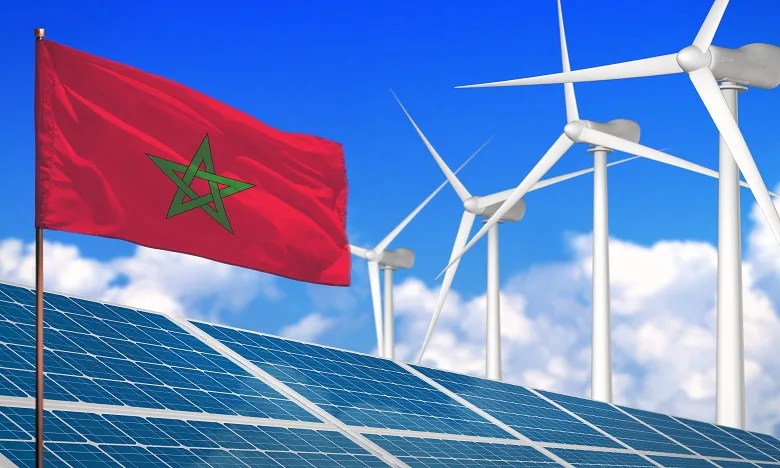
In a significant announcement, Leila Benali, Morocco's Minister of Energy Transition and Sustainable Development, addressed the Chamber of Councilors, revealing that the nation has authorized a remarkable 3,000 megawatts of renewable energy projects slated for the first quarter of 2026. This ambitious undertaking represents nearly one-third of Morocco's current total installed electricity capacity and comes with an impressive investment of around 22 billion dirhams. Benali characterized this period as a pivotal moment for investment and authorizations, marking it as the second major turning point since the acceleration of projects post-2021.
Looking back, Benali highlighted that since 2021, the ministry has greenlit approximately 66 renewable energy projects with an impressive combined capacity of 6 gigawatts, resulting in total investments surpassing 55 billion dirhams. For context, the period from 2011 to 2021 saw only 23 authorizations granted, showcasing a dramatic shift in the pace of approvals, which has surged to eight times higher than pre-2021 levels. This structural acceleration is attributed to the legislative and regulatory reforms enacted by the current government, which have streamlined processes and encouraged investment in renewable energy.
Strategic Policies and Future Investments
Among the pivotal policy reforms underpinning this acceleration, Benali pointed to Law 82.21, which facilitates electricity self-production, allowing individuals and businesses to generate their own clean energy. Additionally, Law 40.19 on renewable energy has simplified procedures and permitted the establishment of electricity storage installations for the first time. The share of renewables in Morocco's installed electricity capacity has impressively increased from 37 percent in 2021 to 46 percent in 2025, reflecting a nine-point gain over four years. However, Benali suggested that the true share of renewable energy is likely even higher than official statistics indicate, given the substantial volume of imported solar panels and self-production systems not fully captured in grid data.
Looking to the future, the ONEE (Office National de l'Électricité et de l'Eau Potable) has unveiled an ambitious electricity equipment plan for the period from 2025 to 2030, which aims to mobilize 120 billion dirhams in investments and add an impressive 15 gigawatts of capacity, with over 12 gigawatts—equating to 88 percent—coming from renewable sources. This comprehensive “green plan” signifies the most ambitious electricity investment initiative in Morocco's history and is set to lay the essential infrastructure for the country’s energy transition through the end of the decade.
In addition to these developments, Benali reported that over 800 new service stations have been established through investments totaling approximately 2.5 billion dirhams, creating more than 4,000 jobs. The ongoing reform of ONHYM (Office National des Hydrocarbures et des Mines) includes the preparation of a natural gas framework law, which has been submitted to the General Secretariat of Government. The minister emphasized that investment in the energy sector serves not only as a means of job creation but also as a driver of national competitiveness and a strategic asset for energy sovereignty—elements she consistently cites as the foundation for Morocco's accelerated energy transition.
As reported by northafricapost.com.