
Morocco's Strategic Diplomatic Role in West Africa
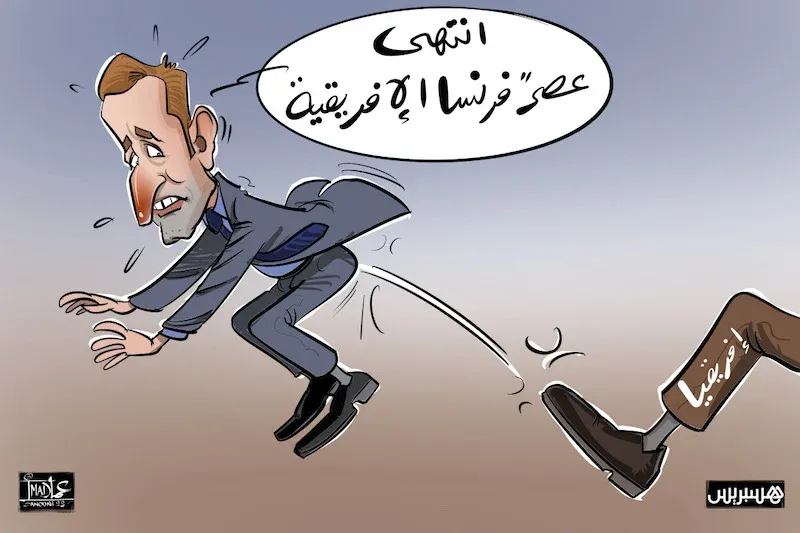
In recent developments, Morocco has successfully mediated the release of a French intelligence officer detained in Mali, a move that has garnered significant attention and sparked discussions among strategic and geopolitical analysts. This successful mediation, facilitated by Moroccan authorities, highlights a transformative moment for Morocco, showcasing its evolving role in the security and diplomatic landscape of the Sahel region. Analysts have noted that this event transcends the immediate circumstances of the case, indicating a qualitative shift in Morocco's geopolitical standing and a rapid decline in traditional French influence within the area.
Mohamed Issam Laaroussi, director of the "Perspectives for Geopolitical and Strategic Studies" center in Rabat, emphasizes that Morocco's mediation reflects its strengthened position as a key player in peacekeeping efforts across Africa, particularly in Sahel countries facing severe crises such as Mali, Burkina Faso, Niger, and Chad. Morocco has successfully earned the trust of political elites in these regions, which has allowed it to play a pivotal role in various humanitarian and diplomatic initiatives, including the release of French hostages in the continent.
Laaroussi identifies three core implications of Morocco's growing influence: firstly, it emphasizes Morocco's emerging role as a fair and objective mediator in various conflicts; secondly, it highlights the country's proactive security strategy, economic development initiatives, and the establishment of strategic projects across Africa; and thirdly, it indicates a notable decline in French dominance in a region historically considered within its sphere of influence. This shift has allowed Morocco to gradually fill the void left by France, gaining confidence from major international powers such as the United States, China, and Russia.
Building Trust Through Diplomatic Engagement
Abdel Fattah Fatihi, director of the "Sahara and Africa Strategic Studies" center, points out that recent diplomatic and economic relations between Morocco and Sahel countries have witnessed significant advancements, particularly in trade exchanges and collaborative projects. This has resulted in a close relationship between the leadership of Mali and Morocco, represented by King Mohammed VI. Fatihi notes that Morocco has consistently intervened effectively in humanitarian issues, particularly those related to hostage situations involving foreign nationals, citing the successful release of five French citizens in the past.
Currently, Morocco has renewed its mediation efforts with Malian authorities to resolve the case of a French official previously attached to the embassy, who is now classified as an intelligence operative. Fatihi underscores that Morocco's involvement in this complex file, which has been a source of diplomatic tension between Paris and Bamako, demonstrates its adept management and ability to achieve decisive solutions in critical situations.
In this context, Sahel nations increasingly view Morocco as a reliable partner with credibility and effective diplomatic channels. This perception positions Morocco as a primary option for several European countries in addressing regional issues, whether in economic collaboration or security and judicial cooperation. Such collaboration is crucial in combating human trafficking networks, migrant smuggling, and transnational organized crime.
In summary, both analysts converge on the notion that Morocco's successful mediation for the release of the French officer in Mali is not an isolated incident but rather part of a broader trend that reinforces Morocco's image as a credible regional mediator. This development illustrates Morocco's ability to blend quiet diplomacy with security openness and economic partnership, ultimately solidifying its position as a regional actor capable of transforming its diplomatic capital into tangible geopolitical influence in a rapidly evolving continent.
As reported by hespress.com.