
Overview of Pardons Granted by King Mohammed VI
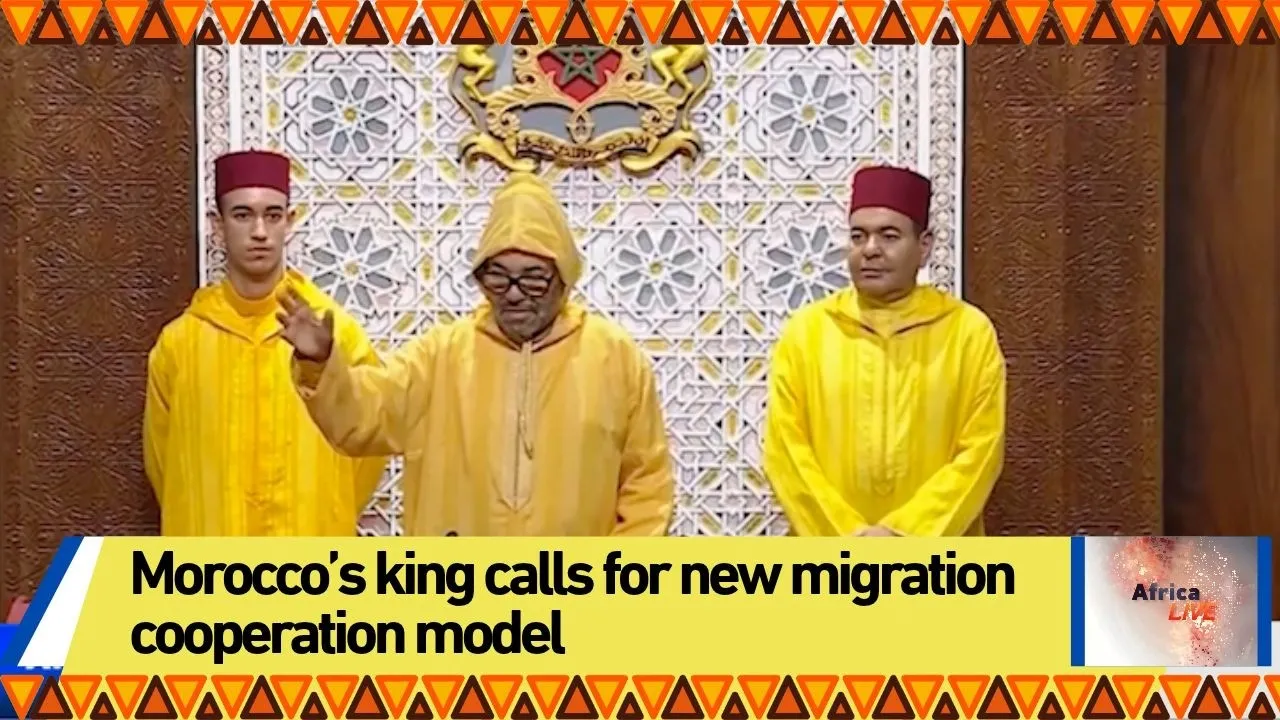
King Mohammed VI of Morocco has granted clemency to a staggering total of 74,633 convicted individuals between June 2019 and August 2026, as revealed by the forty pardons announced during this period by the Moroccan Ministry of Justice through the official MAP agency. These pardons consist of either total or partial clemency, which translates to the release of some individuals while others receive reduced sentences. The underlying message remains clear: the Moroccan state is opting to forgo the imprisonment of thousands of convicts sentenced by its own judicial system, resulting in a significant number being completely liberated.
Yearly Increase in Pardons and Its Implications
The number of pardons has notably escalated each year from 2022 to 2025, coinciding with the year when Spanish Prime Minister Pedro Sánchez supported Morocco's plan for Western Sahara, initiating what his government describes as exemplary cooperation with Rabat. In 2022 alone, there were at least 4,885 pardoned individuals; this figure swelled to 6,737 in 2023—a 38% increase—followed by a dramatic rise to 13,617 in 2024, doubling the previous year’s count, and peaking at 26,189 in 2025, almost doubling again. Over the course of three years, the number of pardons has increased more than fivefold, with 2024 and 2025 alone accounting for over half of all pardons during this timeframe. This surge can be attributed to extraordinary measures such as the amnesty granted to cannabis cultivators and the exceptional clemency during the Throne Day festivities in 2025, which benefited 17,258 convicts alongside the customary 2,415 pardoned for the occasion. Even regular pardons associated with national or religious holidays saw a 33% increase between 2023 and 2025. For instance, the Ramadan end pardon benefited 483 individuals in 2020, escalating to 2,097 in 2024, while the Throne Day pardon rose from 1,446 to 2,476 during the same period. In the ongoing year of 2026, an additional 7,987 pardons have already been granted, with the year still unfolding. This exemplary cooperation touted by La Moncloa aligns consistently with an expanding scope of royal clemency.
The most concerning trend is the increase in amnesty for individuals convicted of Islamist terrorism. Official statements have reported 17 pardoned individuals in 2023, 18 in 2024, and 46 in 2025, with an alarming 69 in just 2026 across four successive pardons—representing a 50% increase compared to the previous year and quadrupling the figure from three years prior. Cumulatively, since 2022, there have been at least 190 pardons issued to individuals convicted of terrorism, a conservative estimate as several announcements have not provided specific numbers, and reports from 2019 and 2021 indicated the inclusion of such inmates without precise figures. When considering that there were 677 individuals incarcerated for terrorism in Moroccan prisons as of July this year, it becomes evident that Rabat has pardoned nearly one in ten of these convicts in less than nine months.
The path to release for these individuals is facilitated through the Moussalaha deradicalization program, which has seen 456 inmates participate over the past decade, with 73.6% ultimately receiving royal clemency. Notably, among those pardoned is Abdelkader Belliraj, who was serving a life sentence and was included in the Ramadan end pardon of 2025. Moroccan authorities require these prisoners to declare their allegiance to state institutions, reassess their ideological stances, and renounce extremism, claiming that not a single case of recidivism has been recorded, although no independent verification of this claim exists. This situation is not isolated to Morocco; it directly impacts Spain, where Moroccans constitute the largest foreign nationality among those detained for jihadism. A significant portion of anti-terrorism operations is conducted in collaboration with Moroccan services, and the cities of Ceuta and Melilla lead Spain in arrests relative to their populations. The trend of releasing more convicted terrorists by a partner nation responsible for border security and anti-terrorism cooperation raises critical concerns regarding Spain's safety.
On August 19, 2024, the king pardoned a remarkable number of 4,831 cannabis cultivators who had been prosecuted, sought, or convicted. This act was framed by Rabat as a natural complement to the 2021 law that legalized cultivation for medicinal and industrial uses in three provinces of the Rif, where approximately 60,000 families depend on this plant. However, a notable issue arises as the hashish entering Spain originates from these same provinces, and there are no guarantees that those pardoned will transition to legal markets. Although Interior Ministry data does not yet provide definitive conclusions, it reveals trends that merit close observation. Hashish seizures dropped by 44% in 2024, reaching a two-decade low, but rebounded by 29% in 2025, the first full year post-pardon, totaling 257 tons.
The prerogative of issuing pardons rests solely with the king of Morocco, with no Spanish government having a say in these decisions. However, the response from La Moncloa is certainly within their control. Since 2022, Sánchez has entrusted Rabat with managing the southern border and a considerable portion of anti-terrorism cooperation. During this same period, Morocco has quintupled its pardons, raised the number of terrorism-related pardons to unprecedented levels, and granted amnesty to thousands of drug producers whose product is most commonly seized in Spain. There is no record of the Spanish government demanding explanations, nor is it clear if they even know the identities of those regaining their freedom across the Strait. Thus, the pertinent question is not merely how many individuals Morocco is pardoning but rather how much longer the Spanish government intends to remain willfully ignorant of this growing issue.
As reported by gaceta.es.