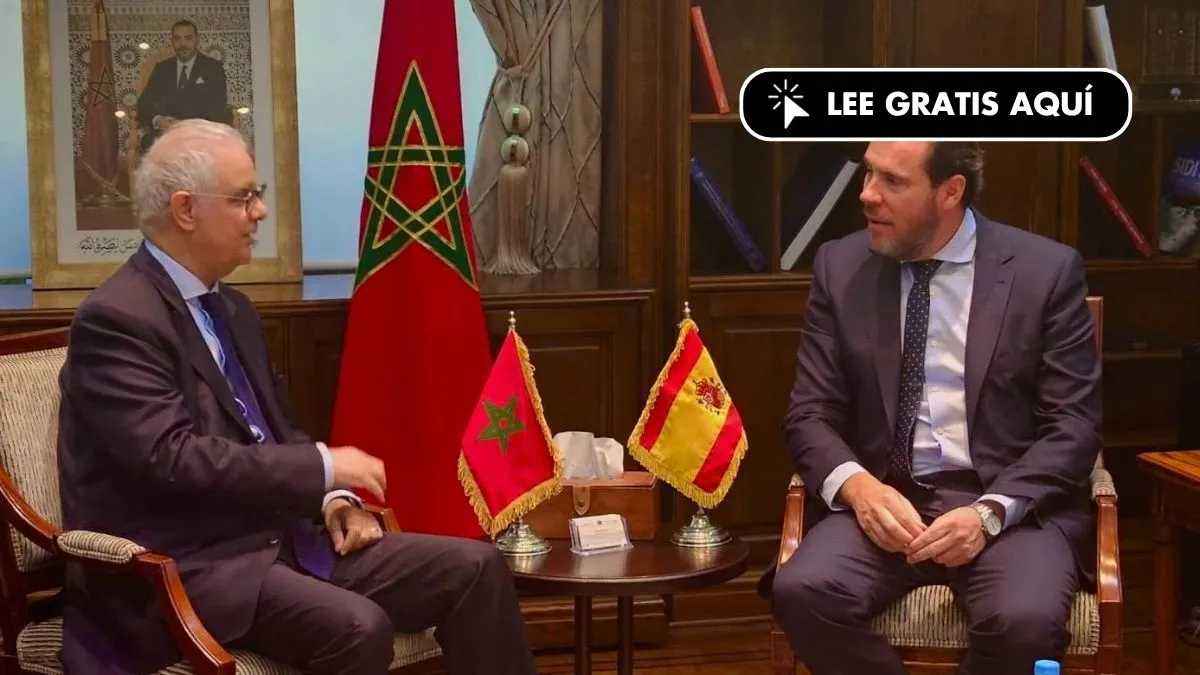

Morocco has emerged as a significant player in the unprecedented expansion of Israeli military exports to the Arab world. Recent official data from Israel reveal that countries signing the Abraham Accords, including Morocco, the United Arab Emirates, Bahrain, and Sudan, accounted for 15% of total Israeli arms sales abroad in 2025. This year marked a historic high for Israeli defense exports, which reached an astonishing $19.2 billion.
According to figures released by the Israeli Ministry of Defense, military exports from Israel amounted to $19.2 billion in 2025, approximately 176.6 billion dirhams. This figure represents the highest recorded in the history of Israel's defense sector since its inception, significantly surpassing the previous record of $14.8 billion set in 2024. This remarkable growth reflects an annual increase of 30% compared to the previous year, driven by a global arms race and the rebuilding of military capabilities following the onset of the Russia-Ukraine war in 2022, alongside ongoing tensions in various regions worldwide.
The data indicates that the defense relationships established between Israel and the countries that signed the Abraham Accords have become a key driver of this growth. Morocco, the UAE, Bahrain, and Sudan collectively absorbed 15% of total Israeli military exports in 2025, underscoring the continued expansion of defense and military cooperation that began immediately after the signing of the Abraham Accords, persisting despite political tensions and regional conflicts that led to boycotts of Israeli companies in several nations.
Shifts in the Global Military Market and Increased Direct Government Contracts
This development signifies a gradual transformation in the landscape of Israeli military markets, whereby exports are no longer confined to traditional markets in Europe, Asia, and Latin America. Instead, the Arab region has become a growing market for Israeli military industries. Official statistics indicate that a significant portion of this record sales increase is attributed to the growing reliance on direct government contracts between nations. This approach has become the backbone of Israel's military export strategy in recent years.
Over half of the total military exports recorded in 2025, amounting to nearly $10 billion (approximately 91.9 billion dirhams), were achieved through direct government agreements between Israel and the weapon-importing nations, bypassing lengthy traditional commercial channels or complex negotiations between manufacturers and end clients. According to data from SIBAT (the International Defense Cooperation Directorate of the Israeli Ministry of Defense), these government agreements have become one of the most important tools for expanding Israeli military industries abroad.
This model involves governments negotiating and finalizing contracts themselves, after which industrial companies step in to provide the required equipment and supplies. Israel believes that this method accelerates the contracting process and reduces the time needed to finalize deals, while also enhancing political and security trust between contracting nations. A notable example cited by the Israeli Ministry of Defense showcasing the success of this model is the sale of the Arrow 3 missile defense system to Germany, which was negotiated directly between the two countries' defense ministries, ultimately becoming one of the largest military deals in the history of Israeli defense industries.
While various companies operate within the Israeli military sector, a substantial portion of the exports remains concentrated in the hands of three giants dominating the international market: Israel Aerospace Industries, Rafael Advanced Defense Systems, and Elbit Systems. Financial results from these companies reveal that they alone accounted for approximately 85% of total Israeli arms sales abroad in 2025, reflecting the high concentration characteristic of the sector. Additionally, the financial data for these groups indicate that their backlog of orders has reached nearly $90 billion, equivalent to approximately 827 billion dirhams, demonstrating the continued robust global demand for Israeli defense systems across different continents.
Continued Global Demand for Israeli Defense Systems
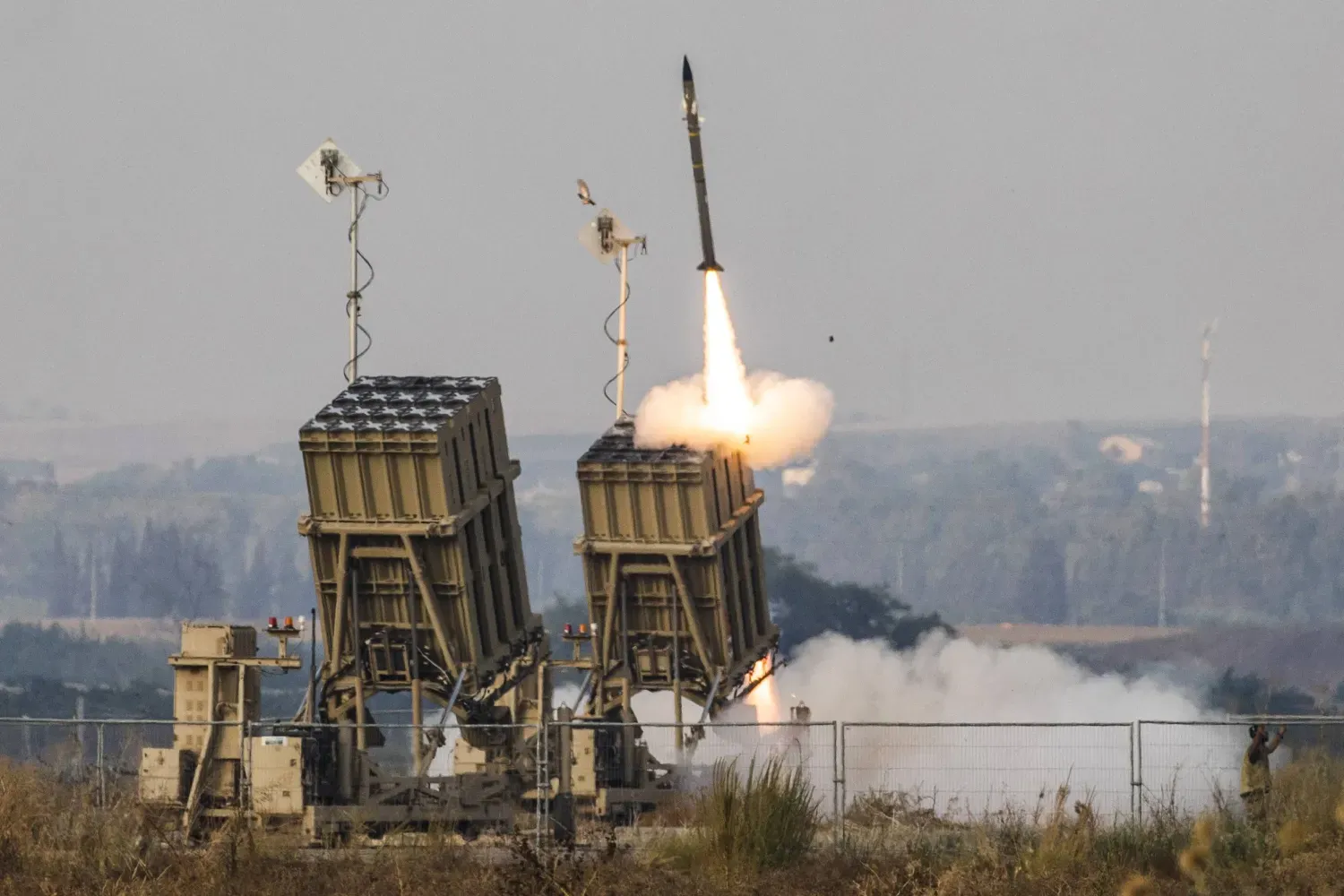
In terms of product types, air defense systems, missiles, and rocket munitions maintained their status as the most sought-after Israeli military equipment in international markets, comprising 29% of total military exports. This was followed by surveillance, sensing systems, and optical and electronic devices at 22%, unmanned aerial vehicles at 11%, and radar and electronic warfare systems, also at 11%. Military communication systems accounted for 7% of total exports, while the remaining shares were distributed among armored vehicles, munitions, intelligence equipment, cyber capabilities, satellites, space systems, and naval platforms.
Geographically, Europe remains the largest customer for Israeli military industries, accounting for 36% of total exports in 2025. This increase is primarily attributed to the ramifications of the Russia-Ukraine war, which prompted several European nations to launch substantial initiatives to re-equip their armed forces and enhance their defense capabilities in response to escalating security threats. The Asia-Pacific region followed, with a share of 32% of exports, reflecting an ongoing arms race in this area marked by increasing strategic competition among major powers.
In this rapidly evolving global context, Morocco stands out among the nations that have played a crucial role in cementing a permanent foothold for Israeli military industries within the Arab world. According to Israeli official figures, the four nations that signed the Abraham Accords—Morocco, the UAE, Bahrain, and Sudan—maintained a steady share of 15% of total Israeli military exports in 2025. This reflects the ongoing defense and military relations cultivated over recent years.
Israeli authorities attribute this growth not only to political and military cooperation agreements but also to the increasing global interest in systems utilized by the Israeli army during military operations following the attacks of October 7, 2023. Within the Israeli Ministry of Defense, many officials consider the military equipment used during these operations to have turned into a sort of 'commercial showcase' for Israeli defense industries, as numerous foreign armies now prefer to procure systems that have been field-tested and proven effective in real combat conditions.
The Israeli military institution believes that the reputation these systems have garnered in combat zones has directly contributed to the rise in global demand for them, especially against the backdrop of widespread international crises, from Eastern Europe to the Middle East, extending to the Indian and Pacific Oceans.
Assessing these results, Amir Baram, the Director General of the Israeli Ministry of Defense, stated that the record growth in arms exports is also attributable to regulatory reforms initiated by the ministry in the past year. He explained that these reforms aimed to reduce administrative and bureaucratic restrictions previously hindering international deals and allowed for the opening of new markets and the expansion of direct government agreements with an increasing number of countries. Baram noted that these reforms have led to the signing of substantial defense contracts and the expansion of strategic partnerships with several governments, which have directly influenced the record figures achieved by the sector in 2025.
Furthermore, Yair Kolas, Director of International Defense Cooperation in Israel, confirmed that the rise in sales is also linked to significant increases in military budgets across various nations worldwide. He explained that governments are increasingly seeking Israeli military equipment, which is perceived as technologically advanced and capable of addressing modern security challenges. Kolas highlighted that the Israeli military industry has demonstrated its ability to supply the Israeli army with munitions and equipment during large-scale wars while simultaneously continuing to expand in international markets and achieving unprecedented growth rates in its external exports.
As reported by assahifa.com.