
Morocco's Continued Influence in International Economic Affairs
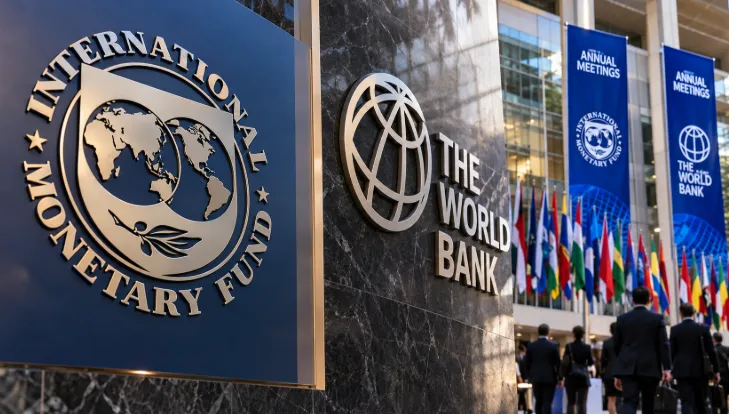
Morocco has once again emerged as a focal point in the discussions surrounding the International Monetary Fund (IMF) and the World Bank, especially three years after it hosted their annual meetings in Marrakech in October 2023. This year's gathering is taking place in Bangkok, Thailand, amidst a backdrop of international economic turmoil characterized by the ongoing conflict in the Middle East, rising tensions in energy markets, and the exacerbating public debt crisis. According to Kristalina Georgieva, the Managing Director of the IMF, Bangkok is set to welcome nearly 18,000 attendees, a figure that surpasses the 14,000 participants recorded during the previous international forum held outside of Washington, D.C., in Morocco. Thus, Marrakech remains the most recent host city for these significant global meetings prior to this year's event in Thailand.
The agenda for this year's discussions will primarily focus on the economic repercussions of the ongoing conflict between the United States and Israel against Iran, which has now entered its eighth month. The disruption of energy supplies, rising interest rates, and persistent inflationary pressures have complicated the outlook for a global economy that is already experiencing moderate growth. Notably, Iran's closure of the Strait of Hormuz has halted approximately 20% of the world's oil supply. Despite stronger-than-expected economic resilience, World Bank President Ajay Banga warns that multiple fragility factors are accumulating, indicating a precarious economic environment.
Global Debt Challenges and Economic Stability Concerns
Compounding the existing economic challenges are the rising costs of diesel and fertilizers, which are further threatened by potential climate risks linked to an anticipated "super El Niño" phenomenon. Experts estimate that this could lead to as many as 450,000 heat-related deaths. In an effort to alleviate the pressure on oil markets, G7 nations have agreed to release 100 million barrels of crude oil and diesel from their emergency reserves, a decision driven by U.S. President Donald Trump's insistence on lowering fuel prices ahead of the upcoming November elections. Since the onset of the conflict on February 28, more than a billion barrels have been introduced into the market, largely from onshore commercial stocks. However, industry professionals are sounding alarms over the dwindling available volumes, which could heighten price instability.
The issue of global public debt is also becoming increasingly critical, with the IMF estimating that levels are now at their highest since World War II and could exceed 100% of global GDP before 2030. Emerging economies and low-income countries appear particularly vulnerable, facing external debt repayments projected to reach $400 billion by 2026, while interest payments already consume over 10% of their revenues on average. This situation has raised concerns regarding access to international financing, with several countries fearing that the new IMF guidelines favoring fewer but deeper reforms may lead to stricter fiscal policies. Iolanda Fresnillo, a debt specialist at Eurodad, warns about the social consequences of such requirements, citing Kenya as an example where austerity measures and proposed tax increases have sparked significant protests.
The current international landscape also influences attendance at the Bangkok assemblies, with U.S. Treasury Secretary Scott Bessent opting not to attend and delegating two senior officials to represent him instead. Several finance ministers will similarly be absent due to national political and budgetary constraints. In contrast, Federal Reserve Chairman Kevin Warsh is expected to participate and publicly engage alongside Kristalina Georgieva on October 16.
Georgieva has already cautioned that the months ahead could prove challenging, with the IMF likely to maintain its global growth forecast at around 3% for 2026, while making adjustments for certain economies adversely affected by ongoing conflicts. The Moroccan experience from 2023 serves as a reminder of how geopolitical tensions can swiftly alter the global economic agenda. The Marrakech meetings occurred just days after the outbreak of war in Gaza, amid significant regional concerns. Three years later, international security and financial stability take center stage in discussions among economic leaders. Josh Lipsky, Vice President for International Economics at the Atlantic Council, emphasizes the need for governments and financial institutions to more rapidly integrate the economic consequences of geopolitical crises into their strategic frameworks. Thus, the Bangkok meetings continue a cycle of international engagements that were initiated in Marrakech, underscoring Morocco's enduring significance in the recent organization of the annual meetings of the IMF and World Bank.
As reported by lenouvelliste.ma.