Understanding Morocco's Contributions to Social Economy
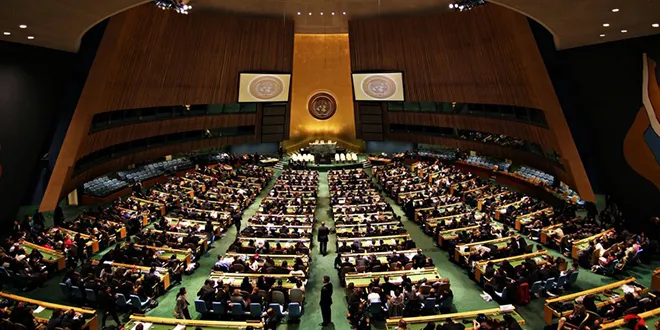
The recent report by the Secretary-General of the United Nations on the evolution of the social and solidarity economy (SSE) globally acknowledges the contributions of **79 countries** at varying levels of engagement. As we delve into the report, it is essential to highlight Morocco's specific initiatives that have been recognized. Following discussions on countries from Oceania and Asia, we now shift our focus to **Africa**, where **21 countries**, including Morocco, have been mentioned in the report.
Morocco has actively participated in the conversation surrounding the social economy through several key initiatives. Notably, the Moroccan government has put forth a draft framework bill, no. 017-26, which aims to establish common mechanisms for the recognition and registration of social enterprises. This legislative effort is complemented by the establishment of dedicated institutions tasked with the coordination and monitoring of these entities, thereby ensuring a structured approach to the social economy.
Additionally, in 2025, Morocco launched the **Tahfiz Niswa program**, designed to support women in the creation and development of cooperatives. This initiative is pivotal in empowering women and fostering gender equality within the economic landscape of the country. The program reflects Morocco's commitment to enhancing the role of women in the workforce and promoting sustainable economic practices.
In 2026, Morocco further advanced its social economy agenda by implementing a national strategy focused on the care economy and care work. This strategy aims to address the growing need for care services in society, which has become increasingly significant in light of demographic changes and economic pressures. By prioritizing care work, Morocco is not only enhancing the quality of life for its citizens but also creating new economic opportunities within the sector.
These initiatives underscore Morocco's proactive stance in the realm of social and solidarity economy, showcasing a commitment to integrating sustainable practices and social justice into its developmental framework. As the report highlights these efforts, it serves as a testament to the country's dedication to fostering an inclusive and equitable economic environment.
As reported by blogs.alternatives-economiques.fr.