
Ruling Coalition’s Success in Parliamentary Elections
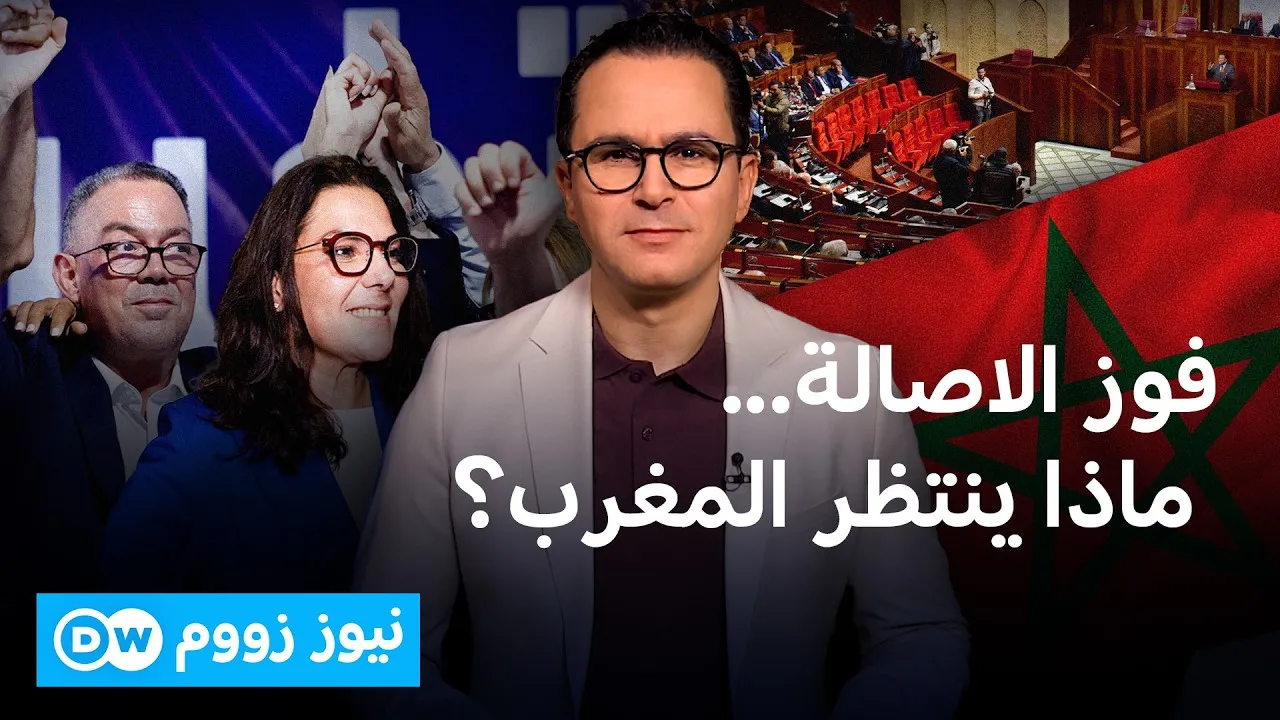
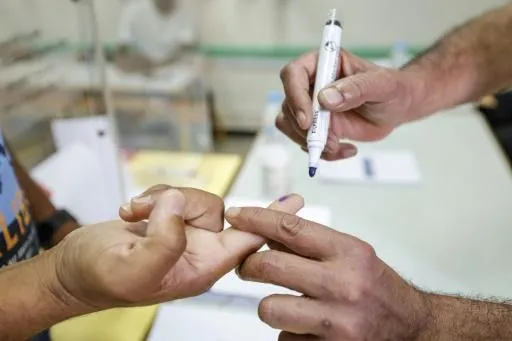
In a significant political development, Morocco's ruling coalition has emerged victorious in the recent parliamentary elections held on September 23, 2026. The provisional results indicate that the centre-right Authenticity and Modernity Party (PAM) secured 97 out of the 395 available seats in the House of Representatives, while the National Rally of Independents (RNI), which leads the outgoing coalition, garnered 66 seats. This election, however, was marked by a notably low voter turnout, especially among the youth demographic, with only 38 percent of the 16 million registered voters participating. This figure represents the lowest turnout since 2007, when it was recorded at 36.8 percent.
Youth Discontent and Socioeconomic Challenges
The low participation rate reflects a growing disillusionment among young Moroccans, particularly in light of recent socioeconomic challenges. The crisis involving the influx of Moroccan migrants into the Spanish enclave of Ceuta has heightened concerns about unemployment and inequality, prompting many young voters to express a lack of trust in the political parties competing in the elections. Despite Morocco's ongoing economic growth and ambitious infrastructure projects, including preparations to co-host the 2030 World Cup alongside Spain and Portugal, many citizens feel that their voices are not being adequately represented or heard in the political arena.
Fatima Ezzahra El Mansouri, the national coordinator of PAM, celebrated the election results, attributing the party's success to years of dedication and struggle. However, she acknowledged the challenges posed by the low turnout, particularly among younger voters, who are crucial to shaping the future of the kingdom. Political analysts, such as Mohamed Tozy, noted that while PAM's victory was expected, the party did not achieve a landslide win, which will necessitate coalition-building with other political entities to form a governing majority. This situation opens the door for potential discussions with various parties, as El Mansouri indicated a willingness to negotiate with all political factions.
As Morocco navigates its political landscape, the implications of these election results extend beyond mere numbers; they underscore the pressing need for the ruling coalition to address the concerns of its constituents, particularly the youth, in order to foster trust and engagement in the democratic process moving forward. The upcoming term promises to be challenging yet crucial in addressing these issues and delivering on the coalition's commitments to economic growth and job creation.
As reported by afp.com.