
Current Seismic Trends in Morocco
In a notable shift of seismic activity, Morocco has been experiencing smaller and less frequent earthquakes three years after the devastating Atlas earthquake that occurred in September 2023. This information is provided by the National Geophysics Institute, which has been closely monitoring seismic patterns across the nation. Over the past year, the recorded earthquakes have predominantly been of a magnitude below 5, indicating a relative calm in seismic events, with no signs of stronger earthquakes on the horizon.
Abdel Nasser Jbour, the director of the National Geophysics Institute, explained that this current seismic pattern reflects an ongoing process of tectonic stress release within the Earth's crust. Notably, most recent tremors have been too weak for the general populace to feel, with only sporadic reports of them being noticed—primarily at night or during quieter times when subtle ground movements become more detectable.
Understanding the Impact of Past Earthquakes
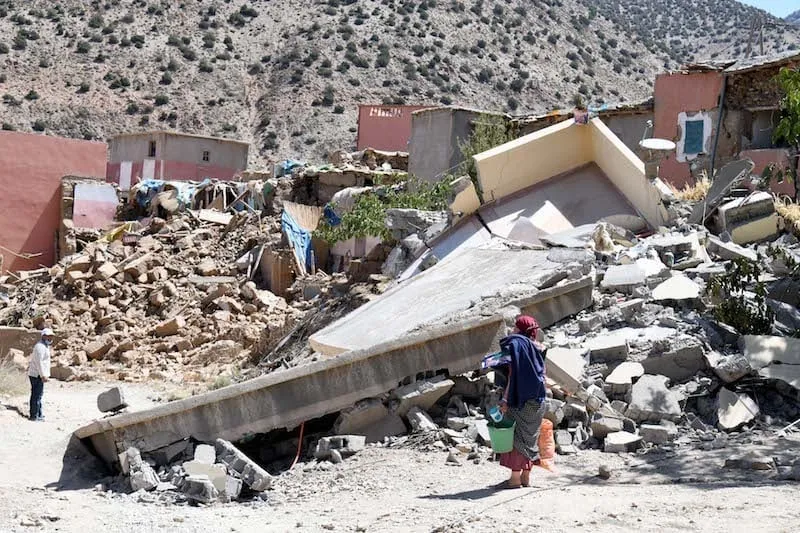
Jbour emphasized that seismic monitoring remains active throughout Morocco, including assessments of deeper underground activities. He noted that the seismic activity observed is part of a continued tectonic release process, which is expected to persist for an extended period. Since the powerful 6.8 magnitude earthquake that struck on September 8, 2023, which resulted in significant loss of life and extensive destruction—especially in the High Atlas region—overall seismic activity has risen by between 10% and 15%. This uptick is particularly pronounced in the Al Haouz region, affecting approximately six or seven provinces to varying degrees.
Following the initial quake, the nature of the seismic activity has evolved. Initially characterized by numerous aftershocks, the tremors are now more spaced out, though some residents still occasionally feel them. Jbour reassured that the continuation of these tremors aligns with expected seismic patterns and that the process of tectonic stress release may persist for years. The initial earthquake took many experts by surprise, lacking prior geological indicators that such a significant seismic event could occur in that area. Furthermore, existing monitoring systems at that time were inadequate to predict the quake, although the event itself has since provided valuable data for understanding regional seismicity.
This disaster has heightened public awareness regarding earthquake risks, leading to a broader understanding of seismic phenomena among Moroccans. Jbour advocates for enhanced preventive measures, especially in construction practices, urging adherence to safety standards for buildings and infrastructure to mitigate potential damage from future seismic occurrences. In response to the heightened awareness, Morocco has undertaken substantial efforts to bolster earthquake preparedness and prevention through legislative measures and the creation of seismic and land-use maps.
These assessments leverage geophysical data from various regions, offering insights into both favorable and unfavorable characteristics that can guide authorities in making informed decisions about land use and construction techniques while factoring in soil conditions. The proactive approach aims to identify potential risks prior to construction, thereby facilitating decisions that incorporate precautionary measures designed to enhance safety and minimize the impact of future seismic events.
As reported by en.hespress.com.