Morocco Embraces Russian Agricultural Imports
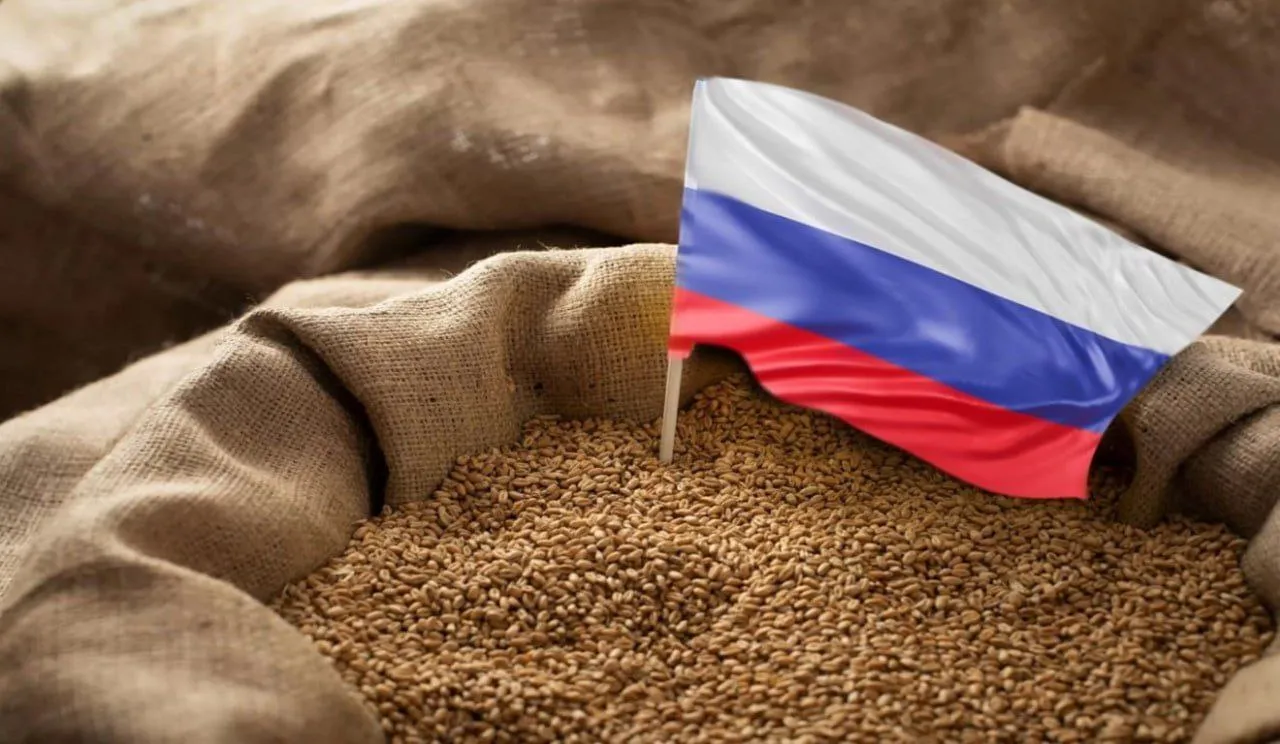
In a notable shift in its food supply strategy, Morocco has positioned itself as a key importer of Russian agricultural products, a move that reflects the growing uncertainties in global markets. Recent data from laboratories in Bashkiria, affiliated with the Russian federal institution VNIIZH, reveals that over 4,000 laboratory tests have been conducted since the beginning of 2026 on grain shipments intended for various countries, including Morocco. These shipments have surpassed 57,000 tonnes, marking an impressive increase of 14,000 tonnes compared to the previous year.
This trend underscores a steady escalation in Russian grain exports and suggests that Morocco is diversifying its supply chain beyond its traditional European partners. The context of this shift is largely influenced by the geopolitical changes that have transformed the global grain trade, particularly in the wake of the ongoing war in Ukraine.
Strategic Implications for Morocco's Food Security
Among the various exports are significant quantities of food wheat. Between March 3 and March 12, a total of 119 wheat samples were analyzed from a shipment exceeding 4,700 tonnes, which is poised for export to international markets. Russian authorities have confirmed that the test results indicate the shipments are free from pests and comply with the phytosanitary standards established by the Eurasian Economic Union.
Morocco's heavy reliance on grain imports has driven the nation to explore diverse sources of supply, especially as domestic agricultural production remains susceptible to adverse climate conditions, including the recurring droughts that have plagued the region in recent years. The country’s dependence on soft wheat imports places it in a precarious position within the dynamics of global food security, where disruptions in the Black Sea region, escalating energy prices, and surging global demand for grain have all contributed to heightened market volatility.
In this context, Morocco's pivot towards Russian suppliers seems to be a strategic initiative aimed at ensuring stable supply chains and minimizing the risk of sudden disruptions. This development coincides with Russia's efforts to solidify its status as a leading global grain exporter, redirecting its exports towards burgeoning markets in Africa and Asia in response to Western sanctions. Among the countries now targeted by these exports are Morocco, China, Kazakhstan, and the United Arab Emirates.
However, experts caution that an increased dependence on a singular supplier could introduce strategic vulnerabilities. In a volatile global landscape, potential geopolitical tensions or export restrictions could rapidly disrupt these newly established supply chains. This shift is likely to fuel discussions within Morocco regarding the urgent need for reforms aimed at enhancing food security, which may include bolstering agricultural productivity, strengthening grain reserves, and improving storage and distribution systems.
The latest data indicates that Morocco's rising imports of Russian grain signify a profound transformation in its food supply framework, as the issue of food security escalates into a pivotal concern on the global stage.
As reported by assahifa.com.