
Morocco's Path to Inclusivity: The Social Challenge in Upcoming Elections
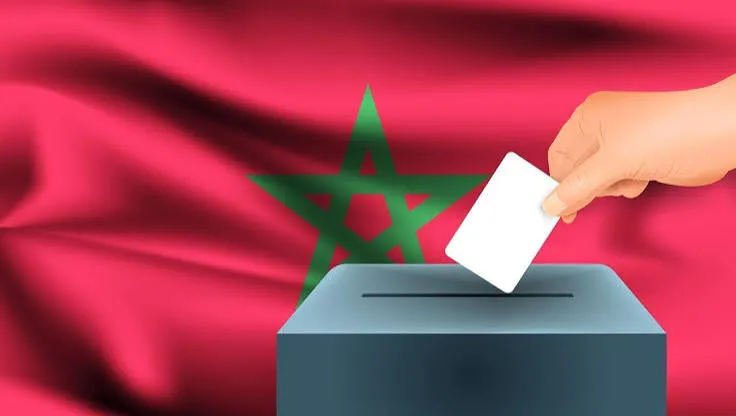
As Morocco approaches its legislative elections, the political landscape is revealing itself to be more than just a contest of parties and personalities; it is reflective of a deeper issue that permeates the Kingdom’s ongoing development and expansion. A significant question looms large: how can the modernizations being undertaken by Morocco translate into tangible benefits for its populace, particularly for the youth? In recent years, Morocco has made remarkable strides in various sectors, including infrastructure development, significant investments, energy transition, industrial advancement, and preparations for the 2030 World Cup. There is no doubt that Morocco is showcasing its ambitions. However, these transformations have also given rise to new expectations among the citizens. Issues surrounding employment, housing, purchasing power, education, and healthcare have now become pivotal political challenges. The younger generation, characterized by their connectivity and high expectations, is increasingly demanding that the national successes materialize into more direct improvements in their daily lives. This sentiment was echoed during protests by members of Generation Z just a few months ago.
In this context, the Authenticity and Modernity Party (PAM), which emerged as the second-largest political force from the 2021 elections and is part of the governing coalition, is striving to place social issues at the forefront of political discourse. Under the leadership of Fatima Ezzahra El Mansouri, the Minister of Territorial Planning, Urbanism, Housing, and City Policy, as well as the party's coordinating director, PAM aims to bridge economic modernization with social responses. The party's program for 2026 reflects this ambition, proposing an investment of 350 billion dirhams over five years, with a strong emphasis on enhancing purchasing power, integrating youth into the workforce, and improving access to public services. Additionally, the party has set a goal to create at least one million net jobs.
This strategic shift is indicative of a profound evolution within Moroccan society. Like many places around the world, the Moroccan youth is developing a more discerning relationship with politics. Generation Z will undoubtedly assess the promises made by their leaders against the backdrop of tangible results. Issues such as education, initial employment opportunities, housing, and social mobility are becoming increasingly crucial. The challenge lies in preventing a widening gap between the speed of the country's transformation and the perceived improvement in living standards. In this arena, Fatima Ezzahra El Mansouri possesses unique experience, having served as the Mayor of Marrakech from 2009 to 2015 and again since 2021, combining local governance with government experience. Her current role at the Ministry of Housing enables her to promote direct housing assistance initiatives and continue the “Cities Without Slums” program.
However, the stakes extend beyond her personal journey. For PAM, the challenge is to demonstrate that social ambition can accompany the Kingdom's economic dynamism. The issues of funding and the implementation of proposed measures will be central, as will the ability to ensure that various regions benefit from this growth. This may be where a significant part of Morocco’s next chapter will unfold. The Kingdom has already showcased its capacity for transformation, but it now needs to focus on disseminating the benefits of this modernization across all sectors of society, influencing and enriching all social strata.
PAM is striving to occupy this crucial space by positioning the social state and youth as two foundational pillars of its political agenda. Ultimately, it will be up to voters to determine whether this proposition resonates with them. Nevertheless, one thing seems certain: the new Moroccan generation will increasingly evaluate their leaders based on their ability to convert economic growth into job creation, enhanced purchasing power, housing solutions, and promising future prospects. This is also a prerequisite for ensuring that Morocco's modernization evolves into a social promise that is widely shared.
As reported by opinion-internationale.com.