
Morocco’s Strategic Air Defense Enhancement
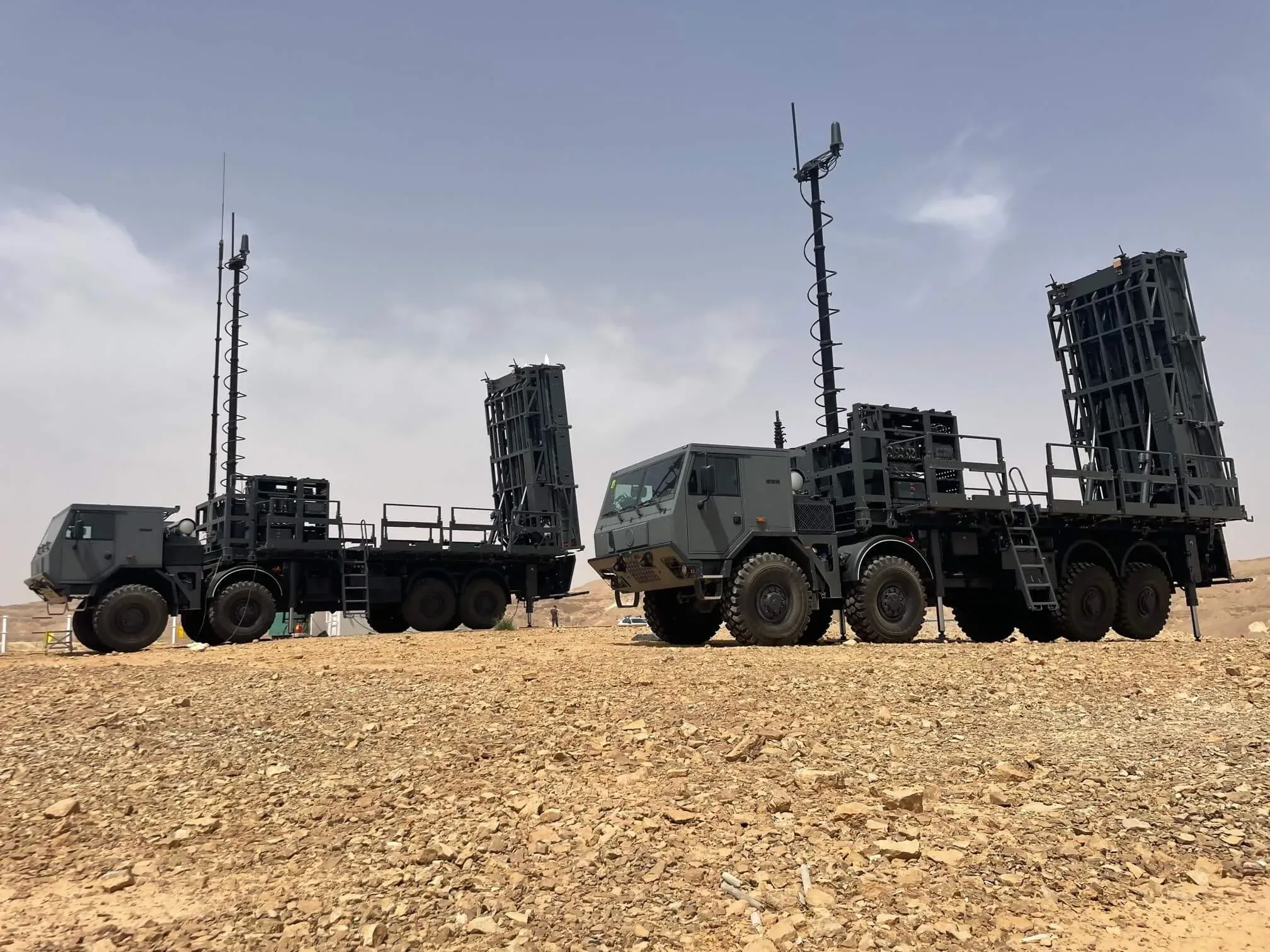
Morocco has successfully operationalized one of the most advanced mobile air defense systems available, as satellite imagery has confirmed the deployment of the Spyder surface-to-air missile system at a military base located northeast of Rabat. This significant military advancement is causing considerable concern within Spain’s defense circles, as it introduces new tensions into an already fragile strategic environment in the region south of Gibraltar.
According to reports by the Spanish publication AS, which references insights from the defense-focused magazine Infodefensa, satellite images have verified the presence of the Spyder system at the Sidi Yahia El Gharb military installation, situated approximately 60 kilometers from the capital city. Although this information has been disseminated by Moroccan media and supported by open-source intelligence, it has not yet received official acknowledgment from the Moroccan government. Nonetheless, the compelling evidence leaves little room for doubt regarding the deployment.
The Capabilities of the Spyder System
The Spyder system, which stands for Surface-to-air Python and Derby, is a cutting-edge mobile air defense architecture developed by Israeli defense firms Rafael Advanced Defense Systems and Israel Aerospace Industries. It is specifically designed to counter a wide range of aerial threats, including fixed-wing aircraft, helicopters, unmanned aerial vehicles (UAVs), precision-guided munitions, and cruise missiles. Depending on its specific configuration, the Spyder system can engage targets at distances ranging from 20 to 80 kilometers and features full 360-degree azimuth coverage. Its lock-on-after-launch capability enables its interceptors to track and engage targets after they have been fired, enhancing its effectiveness in dynamic combat situations.
Moreover, the Spyder's compatibility with multifunctional radars, such as the EL/M-2084—an essential component of the Iron Dome—grants it exceptional situational awareness, even in environments where electronic warfare is prevalent. For the Royal Armed Forces (FAR) of Morocco, the introduction of the Spyder represents a significant upgrade in their layered air defense capabilities—an increasingly important aspect of military strategy in light of the growing threat posed by armed drones and sophisticated munitions observed in contemporary conflicts, from Ukraine to the Caucasus region.
Morocco's geographical position, which encompasses the Atlantic coast, the Mediterranean corridor, and the unstable Sahel region, has long necessitated the implementation of a robust aerial defense system. The Spyder effectively fills a critical gap, complementing prior acquisitions, including surveillance radars, reconnaissance drones, electronic warfare systems, and the Barak MX medium-to-long-range interceptor platform. In a relatively short period, Morocco has established itself as one of Africa's leading recipients of advanced military technology, engaging in intelligence-sharing initiatives, developing cybersecurity measures, conducting joint military exercises, and forming industrial partnerships aimed at enhancing domestic defense manufacturing.
However, it is the strategic ramifications for Spain that dominate discussions surrounding this deployment. Spanish defense analysts and officials are closely monitoring the Spyder's operational integration, not because it drastically alters the balance of military power overnight—Spain maintains substantial advantages in areas such as combat aviation, naval capabilities, and NATO-aligned defense structures—but due to the cumulative effect of Morocco's rapid acquisitions, which are slowly undermining the longstanding asymmetric advantage that has characterized the military dynamics across the Strait of Gibraltar.
What particularly concerns defense planners in Madrid is not just the presence of a single advanced system but rather the overall trajectory of Morocco's military enhancements. Each new acquisition narrows the technological gap, and the Spyder's ability to create partial aerial denial zones over northern Morocco introduces new complexities into contingency planning that were not present a decade ago. Its resilience against electronic warfare and its networked operational capabilities further exacerbate these concerns, suggesting that Morocco is not merely accumulating military hardware but is actively building a cohesive and interconnected defense framework.
Beyond its military implications, the deployment of the Spyder serves as a geopolitical declaration. Morocco is signaling its intent to solidify its status as a regional power through technological self-reliance and diversified strategic partnerships. This posture, irrespective of the defensive rationale presented by Rabat, guarantees that every new military capability developed south of the Strait of Gibraltar will be scrutinized closely from the northern side.
As reported by moroccoworldnews.com.