
Morocco's Promise to Accept Migrants: A Question of Trust
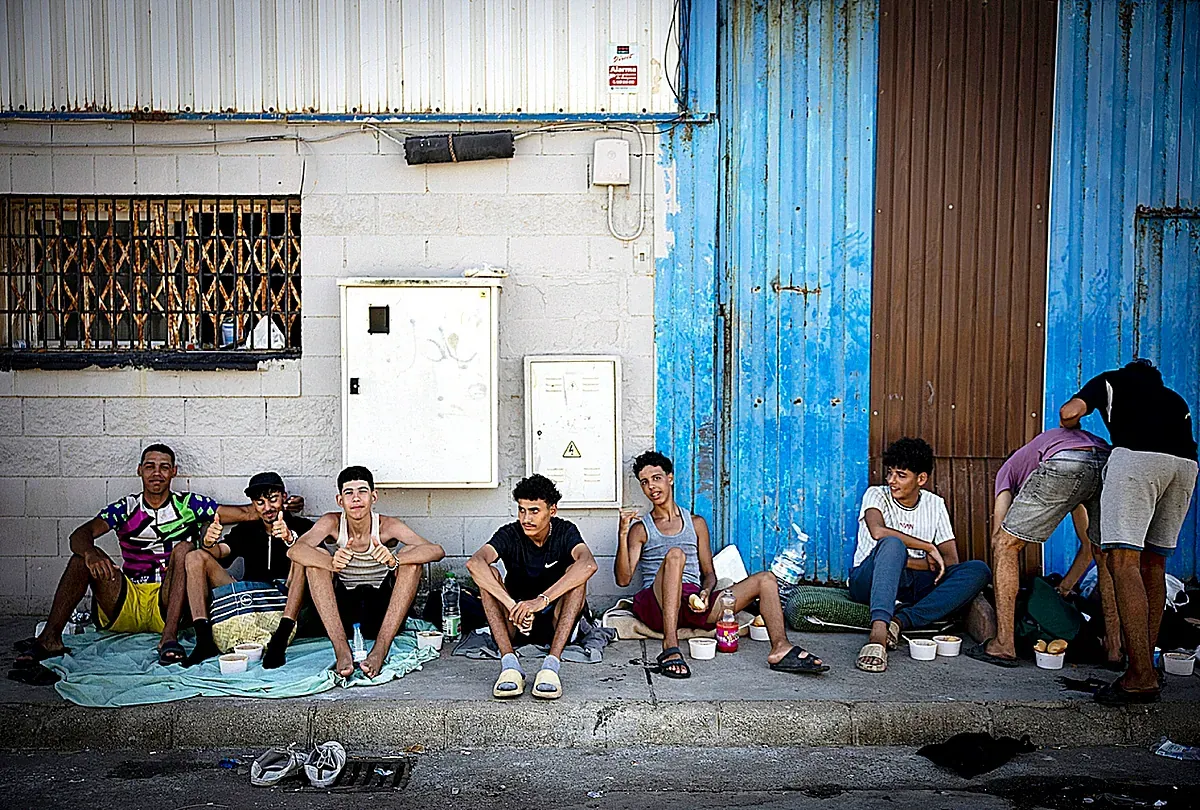
On September 17, 2026, it was reported that Morocco has communicated to several Members of the European Parliament its intention to accept all migrants who crossed from its territory into Ceuta at the El Tarajal border on July 30 and 31, particularly focusing on unaccompanied minors. However, there are significant doubts within the autonomous city's government, the General Commissariat of Foreigners of the National Police, and the Ministry of Childhood and Youth of the central government regarding Morocco's commitment to fulfilling this promise. Spanish authorities have pointed out that there are currently about 800 cases of migrant minors who wish to return to Morocco, with around 600 stemming from a previous influx in 2021, yet Rabat has not responded to Spain’s requests for action. According to officials in the Foreigners Department, the lack of communication is evident: "They do not respond; this is the reality."
Following the tragic events of last July, Spain attempted to repatriate the remains of 88 migrants who lost their lives during the crossings, but Morocco obstructed these efforts. Despite nine of the deceased being identified, Morocco denied their repatriation, even when families sent hearses to the border for burial purposes. In an unfortunate incident, a 17-year-old Moroccan migrant suffering from Type 1 diabetes passed away on September 3 at La Esperanza facility in Ceuta, having received little to no medical treatment since crossing the border. Spain again sought to return him to Morocco, but the request was denied, resulting in his burial alongside the other migrants in the Sidi Embarek cemetery in Ceuta.
The Challenges of Repatriation and Legal Barriers
The government of Ceuta, under Juan Vivas, reiterated that Morocco has historically refused to accept returning migrants. They cite the 'exceptional' circumstances referenced in the letter to the MEPs while emphasizing that Morocco has consistently been unwilling to take back its citizens. A notable instance involved a minor who had contacted his family in Morocco and received the necessary approval from the Public Prosecutor’s Office for Minors to return, yet he was ultimately unable to re-enter Morocco due to the country’s refusal. This situation was highlighted by Minister Sira Rego, who has expressed dissent against the central government’s more conciliatory approach towards Morocco, suggesting that Spain should sever ties with the North African nation.
Ceuta has become a veritable trap for unaccompanied migrant minors, commonly referred to as 'menas'. This predicament is not solely due to Morocco's unwillingness to accept them back; Spanish and European laws also hinder their ability to return voluntarily. Reports indicate that minors attempting to cross back into Morocco are often turned away if there are doubts about their age and lack of identification. The procedure must adhere to legal protocols and receive approval from the Public Prosecutor’s Office for Minors, which previously condemned the return of 54 minors in 2021 due to inadequate legal guarantees. The overarching issue appears to be Morocco's ongoing reluctance to accept minors, often complicating the situation by insisting that they be handed over to Moroccan authorities rather than directly to their families, which is contrary to European laws. This issue reflects a deeper complexity, with allegations of excessive legal safeguards complicating the repatriation process from both sides.
As reported by elmundo.es.