
Morocco's Evolving Diplomatic Landscape
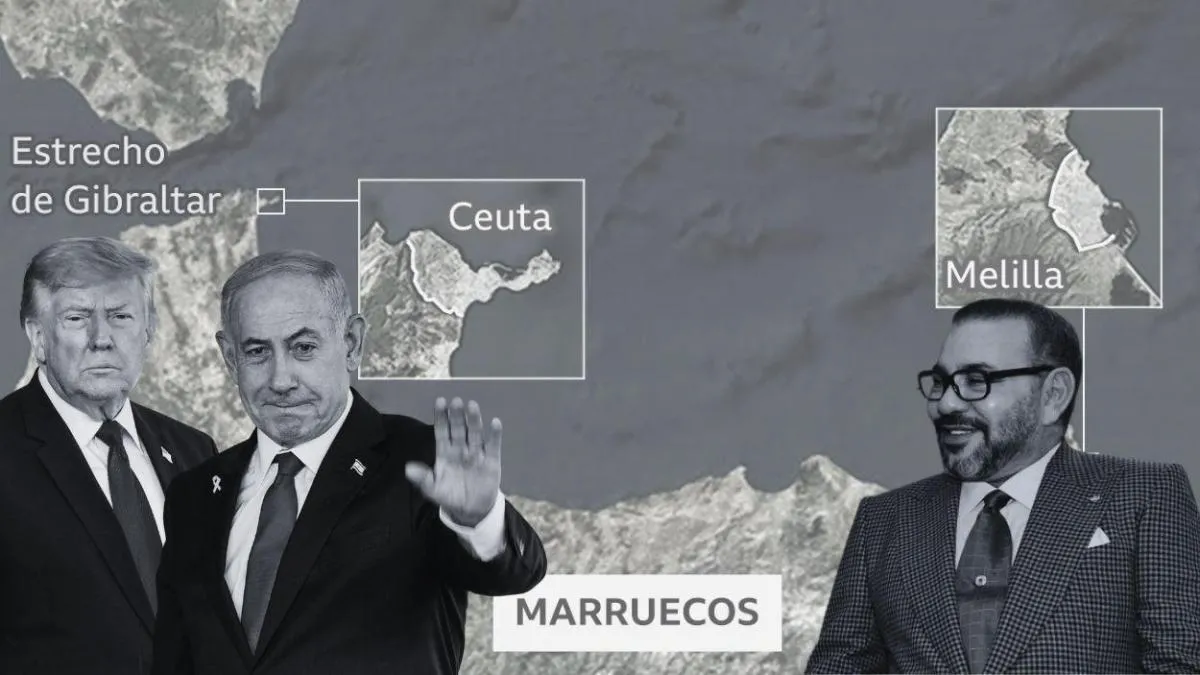
In recent days, Morocco has emerged in various international scenarios that, on the surface, appear unrelated. In Ceuta, Rabat has extended an offer to collaborate with Spain in identifying and facilitating the return of unaccompanied Moroccan minors. Concurrently, in Gaza, Morocco is preparing to participate in an international force initiated under Donald Trump's plan. This backdrop is underscored by Morocco's relationship with Washington, which received a significant boost when the United States recognized Moroccan sovereignty over Western Sahara in 2020. Although these processes may seem distinct, they illustrate Morocco's expanding diplomatic margins: maintaining close ties with Washington, preserving connections with Israel, playing a crucial role in European policy concerning the southern border, and seeking to enhance its influence in Africa and the Middle East.
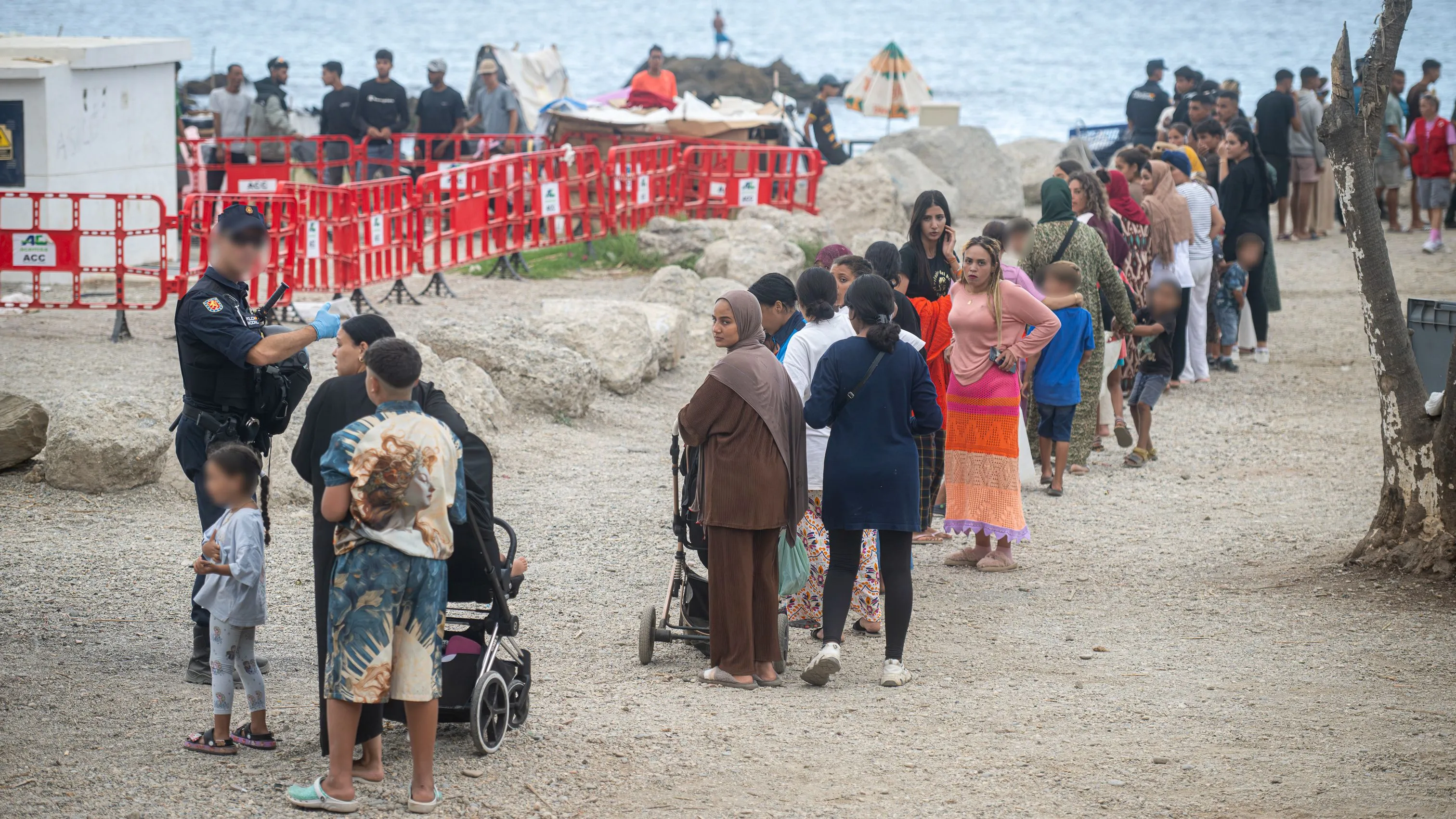
The Ceuta crisis has once again brought Morocco's diplomatic position to the forefront. Analysts cited by The Guardian suggest that the relationship with the Trump administration may have bolstered Rabat's confidence in defending its interests, although this interpretation does not serve as evidence of U.S. involvement in the events along the Spanish border. For Spain, the context is critical, as several sensitive issues in its relationship with Morocco—including Western Sahara, immigration, Ceuta and Melilla, and security cooperation—are unfolding with Rabat now better positioned in its dealings with Washington.
Trump and the Turning Point in Western Sahara
A significant turning point occurred during Trump's first term in December 2020, when the United States officially recognized Moroccan sovereignty over Western Sahara. This marked a departure from decades of neutral stances on a territory whose status remains subject to international resolution. For King Mohammed VI, this recognition represented a direct endorsement of one of Morocco's core foreign policy priorities. This decision was linked to the re-establishment of relations between Morocco and Israel as part of the diplomatic strategy outlined in the Abraham Accords. Notably, the U.S. State Department altered its mapping guidelines to represent Western Sahara as part of Morocco in its official maps. Following this change, the relationship between Morocco and the U.S. continued to flourish, gaining renewed prominence during Trump's presidency. For Morocco, U.S. support strengthens its claims over Western Sahara, while Washington views Rabat as a stable partner in security matters and a crucial interlocutor within North Africa and the Middle East.
The economic dimension of this relationship should not be overlooked. In June, the White House temporarily suspended certain countervailing and anti-dumping tariffs on phosphated fertilizers from Morocco to ensure a steady supply for American farmers.
This diplomatic rapprochement is now extending to Palestine. Morocco has committed to participating in the International Stabilization Force as part of the post-war project supported by Trump. A July agreement outlines the framework for incorporating Moroccan officers into the joint command of the mission. Reports indicate that the Peace Board created by Trump has awarded its first known construction contract in Gaza to establish a contingent initially intended for approximately 150 Moroccan soldiers. This installation would be located in an area under Israeli control and would contribute to the planned deployment of the multinational force. However, questions remain regarding the final size, timeline, and operational structure of this mission, with other nations, such as Uganda, also considering their participation. For Morocco, joining this initiative signifies a deepening presence in a particularly sensitive arena, as it maintains relations with Israel while officially advocating for the Palestinian cause, allowing it to keep channels open with diverse stakeholders.
This balance, however, comes with internal costs. The normalization of relations with Israel has faced domestic backlash, especially following the outbreak of the Gaza war. Yet, experts consulted by Reuters believe it is unlikely that Rabat will sever ties established under the Abraham Accords.
Amidst these complex dynamics, recent developments in Ceuta have further highlighted Spain's relationship with Morocco. Following the migration crisis in Ceuta, Morocco announced its willingness to collaborate with Spain and other European nations in the return of unaccompanied Moroccan minors. The communication, disseminated by Moroccan state media and reported by Reuters, suggests cooperation in identifying these minors and facilitating their return within the appropriate legal framework. This episode underscores the significance of Moroccan cooperation in border management.
Morocco, however, rejects responsibility for the crisis, asserting that Spain should have anticipated the repercussions of a judicial ruling affecting one of the mechanisms previously employed to prevent certain entries. This official stance does not clarify the specifics of what transpired on the ground or the actions taken by Moroccan security forces. For Madrid, this relationship poses a known challenge: Morocco is both a partner and a negotiator with its own interests in several matters that both countries must jointly address. Spain requires border and security cooperation, while Rabat maintains its historical positions on Ceuta and Melilla, not to mention the additional layer of complexity introduced by Western Sahara, especially since the U.S. decided to formally support Moroccan sovereignty over the territory.
Furthermore, the relationship with Israel has further expanded Morocco's diplomatic margins. Its adherence to the Abraham Accords has not only reinstated bilateral relations but has also positioned Morocco within a group of Arab countries that Washington seeks to integrate into a regional architecture that affords Israel a higher degree of integration. While the Gaza conflict has strained this strategy, it has not dismantled it. Reports from Reuters indicate that Morocco, the United Arab Emirates, and Bahrain continue their ties with Israel despite the internal dissent spurred by the conflict. Morocco's potential participation in the international force for Gaza reinforces its role as an interlocutor, allowing Rabat to maintain its relations with Washington and Israel without formally abandoning its support for the Palestinians.
The recognition of Moroccan sovereignty over Western Sahara remains one of the most significant diplomatic benefits acquired through this relationship with the United States. Trump's decisive recognition in 2020 transformed the Moroccan position into an official U.S. policy, providing Rabat with a level of support that its European partners had not offered on the same terms.
In conclusion, the convergence of these developments does not necessarily indicate a coordinated U.S.-Moroccan strategy aimed against Spain; rather, it reveals a shift in the diplomatic balance. Today, Morocco possesses more international channels to advocate for its interests than it did in previous years: U.S. support regarding Western Sahara, an open relationship with Israel, involvement in Washington's plans for Gaza, and an irreplaceable role for Europe concerning immigration and security. Analysts, as reported by The Guardian, suggest that this position may have granted Rabat greater confidence in its dealings with Madrid and Brussels. It is crucial to frame this interpretation accurately: while it reflects analysts' readings, it does not serve as proof that Washington conditions or backs Moroccan decisions in relation to Spain.
For Madrid, the outcome is a bilateral relationship in which Morocco operates with enhanced international support and influence. This can potentially affect negotiations on issues such as Western Sahara, migratory cooperation, and border security, although each of these topics operates within its own dynamics. Recent news underscores this evolving landscape: Morocco offers cooperation to Spain following the Ceuta crisis, Washington engages Moroccan military personnel for its Gaza project, and the U.S. continues to recognize Rabat's sovereignty over Western Sahara. While these events do not constitute a singular political maneuver, they illustrate that Morocco now occupies more influential spaces within the international strategy of the United States, compelling Spain to navigate its relationship with Rabat in a more intricate diplomatic context than in the past.
As reported by elplural.com.