
It is undeniable that Morocco has undergone a profound industrial transformation over the past two decades. This remarkable change is not merely a stroke of luck; rather, it has been the result of thoughtful, concerted, and systematic planning. Initiatives such as the "Emergence" and "Industrial Acceleration" programs have strategically positioned the country within global value chains, particularly in the automotive and aerospace sectors. Today, Morocco proudly leads the African Industrialization Index published by the African Development Bank, a feat that seems almost unimaginable two decades ago.
The Importance of Phosphates in Morocco's Industrial Strategy
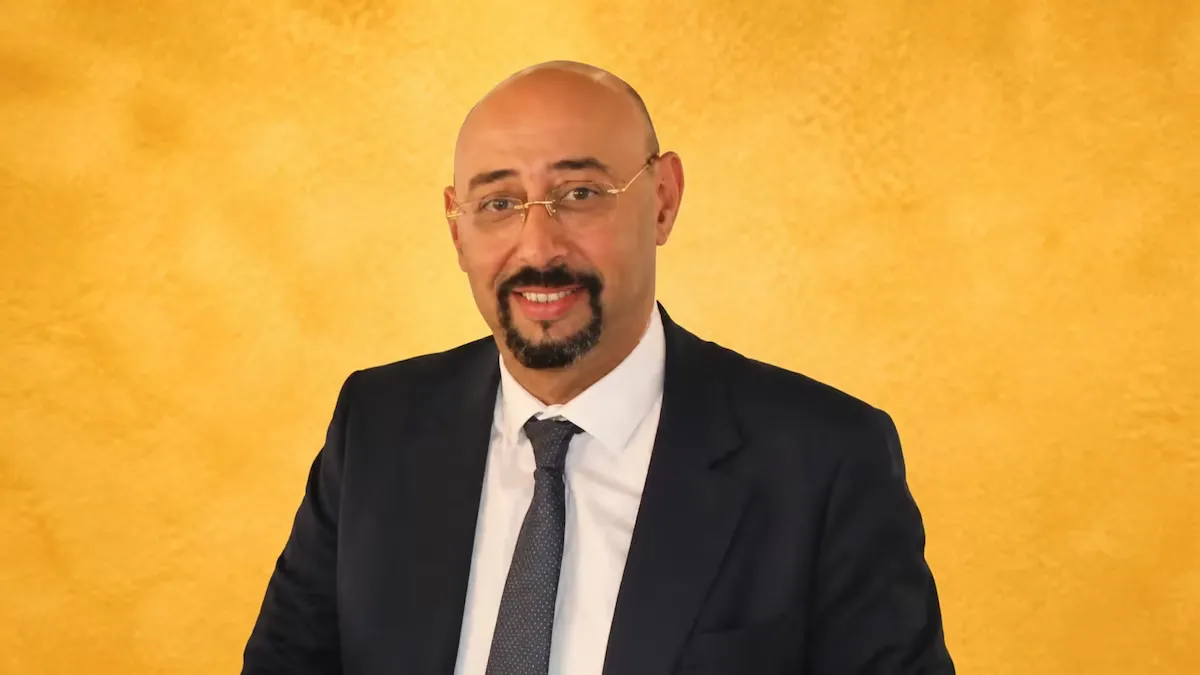
However, it is essential to remember that industrialization also encompasses the agricultural sector, particularly in fertilizer production, which is vital for sustaining growth. As a former production engineer in Khouribga, a past director of the Merah El Ahrech mine, and a seasoned sales manager for OCP in Southeast Asia, I can confidently assert that Morocco's strategic depth lies significantly in its phosphate resources and their derivatives.
While Europe invented the automobile, its automotive industry currently faces a profound crisis, potentially life-threatening. Its historical dominance is crumbling under the relentless advance of China. Major players like Volkswagen and BMW are already implementing massive layoffs. Such industries, which can vanish within a generation—as evidenced by the tragic decline of England—cannot define the strategic depth of a nation. So, are our undeniable successes in this sector at risk? The answer is both yes and no. We are safe as long as we anchor our automotive industry to our inherent strategic advantage. What does the car of the future look like? Essentially, it is a large battery on wheels. The lithium iron phosphate (LiFePO4 or LFP) battery, which utilizes iron and phosphate instead of rare metals like cobalt, emerges as the most viable option. This battery type is not only highly safe but also durable, with the Mohammed VI Polytechnic University (UM6P) conducting advanced research on this technology. By aligning our automotive industry with this fundamental chemical element, phosphorus—represented by the symbol P and atomic number 15 in the periodic table—we can secure our industrial future.
As I noted in my thesis, the words of Isaac Asimov—one of the greatest science fiction writers of the 20th century and a professor of biochemistry—resonate strongly: "We may be able to substitute nuclear power for coal, and plastics for wood, and yeast for meat and friendliness for isolation—but for phosphorus, there is neither substitute nor replacement." This statement emphasizes the irreplaceable nature of phosphorus, primarily used in fertilizer production. Without fertilizers, the Earth could barely sustain 10% of its current population. Thus, the so-called "food security" that is often discussed, particularly by the FAO, fundamentally hinges on the security of fertilizer supply. The world can face an oil shortage, as Europe did in the autumn of 1973, but how would humanity cope with a fertilizer shortage? Is starvation the adjustment variable? The loss of millions of lives?
Morocco is home to approximately 50 billion tons of phosphate reserves, which constitute about 70% of the world's known reserves. Experts refer to this as a "geological scandal." It is so significant that a former advisor to President Obama suggested placing Morocco under international trusteeship due to the disproportionate share of this vital resource held by a single country.
Embracing Responsibility and Innovation
The strategic depth of Morocco—its importance on the global stage—is undeniable. During my time extracting and selling phosphate in Khouribga and New Delhi, few Moroccans seemed fully aware of the implications of holding such a critical resource. While we appreciated the revenue from phosphate, the broader metaphysical questions went unasked. But holding 70% of the world's reserves of an element essential for human survival is anything but trivial.
When one holds the fate of humanity in their hands, they cannot act recklessly. We must embrace our role as the world's central bank for fertilizers. This responsibility is immense, akin to that of a lender of last resort in economic terms. A central bank acts judiciously, and so must we.
Moreover, reliability is crucial for ensuring that humanity can trust in its food supply. Recently, on June 20, a Japanese minister visited Morocco and went straight to Jorf to ensure that the world's largest fertilizer manufacturing complex was staffed with competent individuals supported by scientific research from UM6P. He left assured that the Moroccan state consistently backs this enterprise, contrasting with the complex relationship between the Nigerian state and Dangote Industries Limited. This visit reaffirmed the importance of our phosphate sector.
Further evidence of phosphate's strategic significance emerged on June 29, when former President Donald Trump signed an executive order suspending anti-dumping duties on imported phosphates from Morocco for eight months, declaring a state of emergency to facilitate this process. This highlights just how critical Moroccan fertilizers have become, even prompting the European Commission to establish strategic fertilizer reserves by 2027, indicating that fertilizers are becoming as vital as oil.
In conclusion, Morocco is fortunate to have a robust and resilient phosphate industry that embodies our strategic depth. It is essential to safeguard this vital resource from those who might seek to undermine it due to short-sightedness or lack of vision. As we navigate the complexities of global agriculture and food security, embracing our phosphate resources with courage, responsibility, and reliability is paramount for the future of humanity.
As reported by fr.le360.ma.