
Understanding Morocco's Approach to the Ceuta and Melilla Conflict
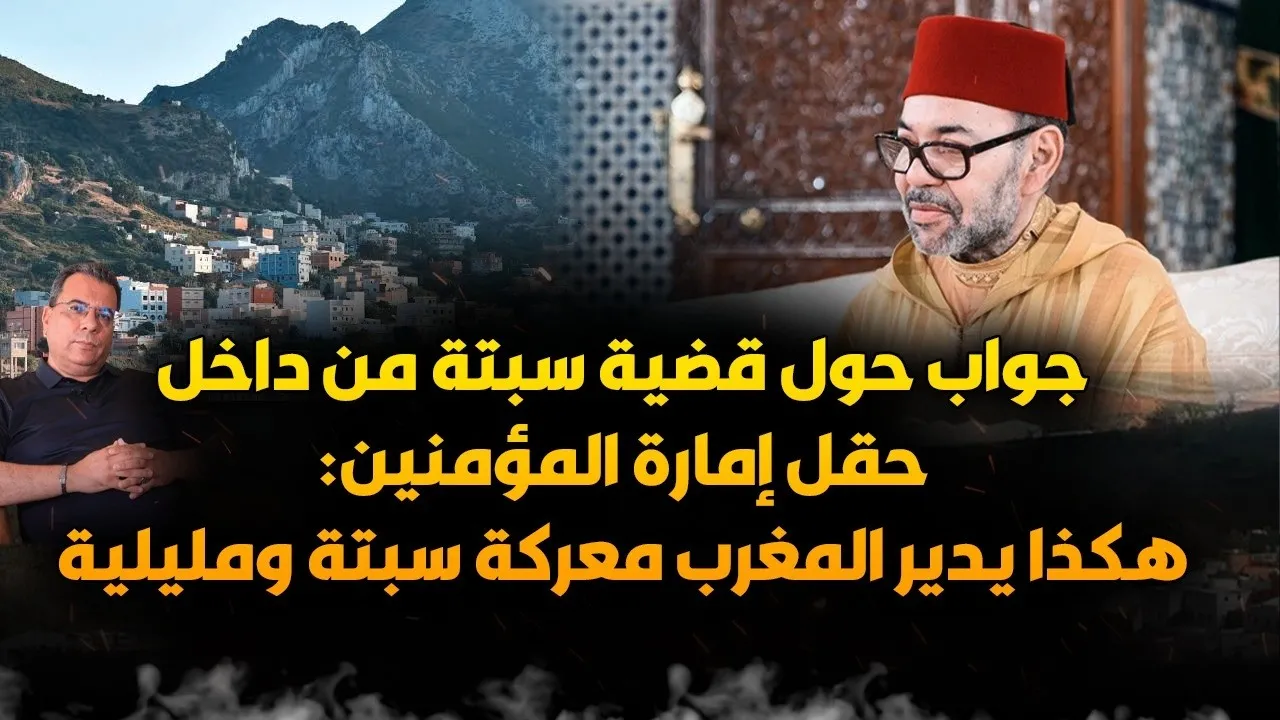
The ongoing dispute over the territories of Ceuta and Melilla, two Spanish enclaves located on the northern coast of Morocco, has been a focal point of tension between Morocco and Spain for many years. This conflict not only involves historical claims but also has significant geopolitical implications that have drawn international attention. Morocco, under the leadership of King Mohammed VI, has been actively engaging in various strategies to assert its claims over these territories, which it views as an integral part of its national sovereignty.
In recent discussions, experts and analysts have highlighted how Morocco is navigating this complex issue amidst a backdrop of changing political dynamics in the region. The Moroccan government has utilized diplomatic channels, public opinion, and international relations to bolster its claims, while also addressing the concerns of its citizens regarding national identity and territorial integrity. The situation is further complicated by Spain's steadfast position on maintaining its sovereignty over Ceuta and Melilla, leading to a delicate balance of power in the region.
Moreover, the Moroccan media has played a critical role in shaping public perception and garnering support for the government's stance on the matter. By emphasizing historical ties and cultural connections to these enclaves, Morocco seeks to reinforce its narrative and rally public sentiment behind its claims. The discourse surrounding this conflict is not just about land but also touches on broader themes of nationalism, colonial history, and regional stability.
As this situation continues to evolve, it remains to be seen how both Morocco and Spain will navigate their relationship moving forward. The potential for dialogue and negotiation exists, but it will require a mutual understanding of each country’s historical context and future aspirations for a peaceful resolution.
As reported by youtube.com.