
Morocco's Energy Policy Transformation
In a quiet yet significant shift in its energy policy, Morocco is taking steps to reduce its reliance on imported natural gas from Spain. This change comes in the wake of a diplomatic crisis between Madrid and Algiers, during which Morocco had bolstered its natural gas imports from Spain. According to a report released by Middle East Online, the Moroccan government is now focusing on diversifying its energy sources and enhancing its energy security.
This strategic pivot is underscored by Morocco's increasing investments in renewable energy initiatives, as the nation aims to solidify its position as a regional hub for natural gas, green energies, and green hydrogen. The country has set ambitious targets to increase the share of renewable energy in its installed capacity to 52% by 2030. Key projects fueling this growth include the Noor Ouarzazate solar complex, which is recognized as one of the largest solar installations globally, alongside rapid expansions in wind energy production.
Impact of Diplomatic Relations on Energy Supply
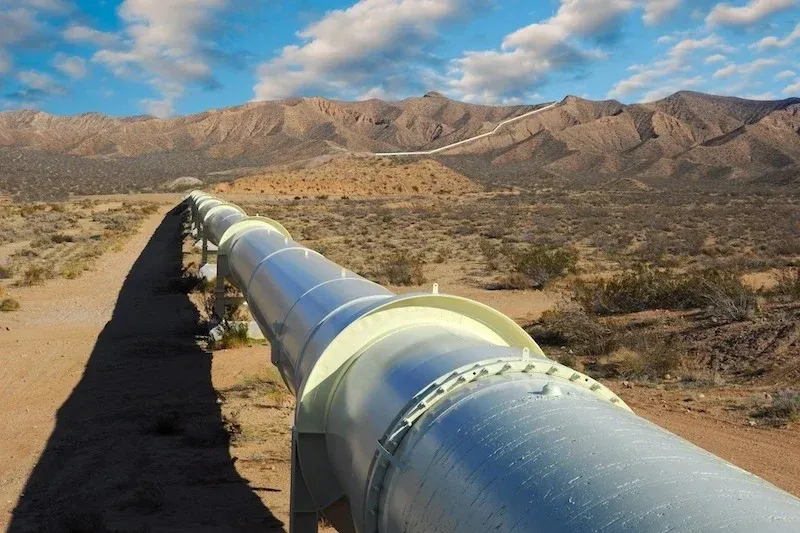
The context of this transition is rooted in the suspension of gas flows through the Maghreb-Europe Gas Pipeline, which traditionally transported gas from Algeria to Spain via Morocco. This suspension occurred amidst rising tensions between Algeria and Spain, particularly after Spain expressed support for Morocco's stance on the Sahara issue. Subsequently, Morocco and Spain established a "reverse flow" system, enabling the transportation of gas from the Iberian Peninsula back to Morocco, which has helped mitigate some of the immediate energy needs. However, Moroccan authorities now appear determined to lessen their dependency on this singular supply route as part of a long-term energy strategy.
In conjunction with these efforts, Morocco is enhancing its gas infrastructure, including liquefied natural gas (LNG) projects, floating terminals, and regasification units aimed at securing national energy supplies and stabilizing the energy grid. This integration of gas infrastructure with clean energy production is expected to provide Morocco with greater flexibility to meet rising electricity demands, stimulate economic growth, and support the country's industrial expansion.
Furthermore, Morocco is raising its long-term climate commitments, with updated goals for the 2026-2035 period that aim for renewable energy sources to constitute 80% of its national energy mix by 2050, thus affirming its commitment to a gradual yet impactful energy transition.
As reported by fr.hespress.com.