Morocco's Commitment to Sahel Stability
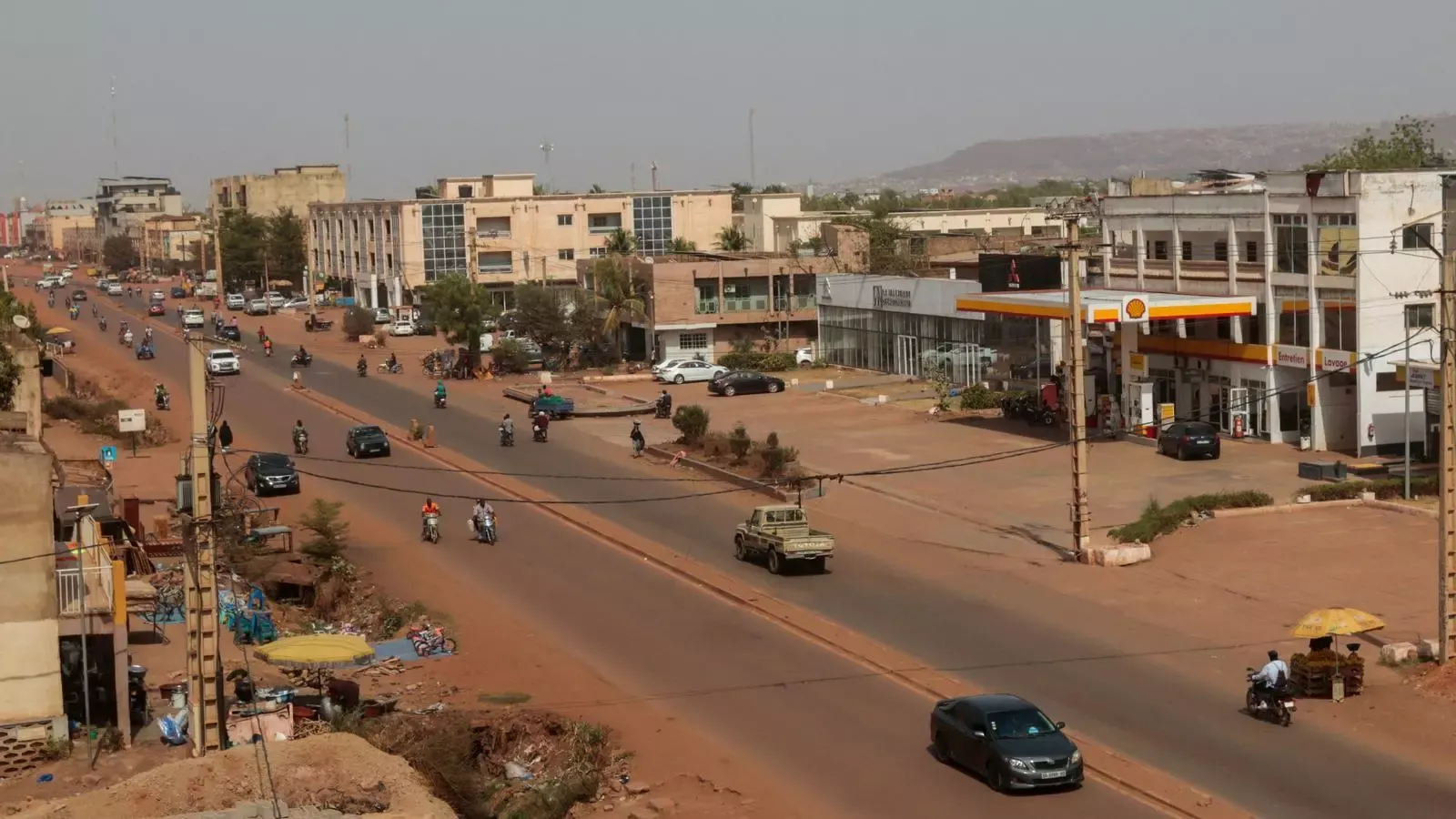
Morocco has been consistently alerting the international community about the escalating situation in various Sahel countries, particularly in Mali. The Moroccan government emphasizes the urgent need for stronger governance and institutional fortitude in the face of terrorist and separatist threats. This advocacy is part of an Atlantic initiative spearheaded by King Mohammed VI, which proposes the utilization of Moroccan Atlantic ports to facilitate trade for Sahelian countries. The objective is to boost their economies, enhance employment opportunities, and foster greater stability and security in the region.
The Moroccan Ministry of Foreign Affairs, led by Nasser Bourita, has firmly condemned the recent terrorist attacks in Mali, which tragically resulted in the death of Mali's Defense Minister, Sadio Camara. The statement expressed unwavering solidarity with the Republic of Mali, reiterating Morocco's support for its efforts to maintain security, stability, and territorial integrity. This position aligns with Morocco's diplomatic approach, which is rooted in respect for the sovereignty and territorial integrity of states. Therefore, Morocco condemns all forms of terrorism indiscriminately and rejects any attempts at destabilization or fragmentation of states, while supporting national efforts aimed at ensuring security and stability.
Unity Against Terrorism and Separatism
For several years, Morocco has persistently highlighted the interconnectedness between terrorist groups and separatist movements, which exacerbate regional instability. Recent developments in Mali, particularly the observed interactions between the Jama'a Nusrat al-Islam wal Muslimin (JNIM) and elements associated with the National Movement for the Liberation of Azawad (MNLA), strongly validate Morocco's concerns, as these threats cannot be addressed as isolated issues. Any collusion between armed separatism and terrorism in the Sahel is deemed unacceptable for the sake of regional security.
The timing of these attacks is particularly significant, occurring within a specific regional and diplomatic context marked by Mali's recent shifts in strategic positions, notably the withdrawal of recognition for the so-called Sahrawi Arab Democratic Republic (RASD). This backdrop necessitates a careful analysis of the dynamics at play, focusing on those who may benefit from the destabilization not only of Mali but the entire Sahel region, with Algeria's actions suggesting a potential interest in exploiting such instability.
Morocco emphasizes the importance of coordinated positions against the threats facing Sahel countries, underscoring the necessity for unified action against terrorism and separatist initiatives. The complexity of the current situation is ever-increasing, thereby reinforcing Morocco's commitment to uphold the sovereignty of states. The recent statement from the Moroccan Ministry of Foreign Affairs has once again highlighted the fundamental principles of solidarity with the Malian state, its institutions, and its people, while supporting the stability and territorial integrity of the country. This focus on principles and partnership with Mali is essential, especially at a time when the region is witnessing significant challenges.
Moreover, Morocco's support for states facing terrorism and separatist movements is crucial, particularly when other regional actors may align themselves with ambiguity or manipulation of crises. The current landscape has revealed a coordinated Algerian information offensive aimed at exploiting the attacks in Mali. Various platforms, including social media and alternative media outlets aligned with separatist movements, have attempted to propagate a singular narrative that depicts Mali as weakened, characterized by diplomatic missteps, and an inevitable return to chaos. These Algerian communication strategies do not stem from analytical discourse but rather represent psychological warfare, aimed at undermining internal confidence in Mali and tarnishing Bamako's external image.
In summary, the strengthening of ties between Morocco and Mali, along with Mali's recognition of Moroccan sovereignty over the Sahara, represents a strategic setback for the Algerian regime. The narrative aimed at destabilizing Mali appears to be a geopolitical revenge attempt, as Algeria maintains a cautious official stance while utilizing radical social media accounts and influencers for discrediting purposes. The attacks directed at Mali's allies, such as Morocco and the United Arab Emirates, are aimed at isolating Bamako, with these alliances being targeted precisely because they are influential and disrupt regional balances. Thus, Morocco remains steadfast in its support for states against terrorism and separatism that threaten fragmentation and division, amidst certain external influences seeking to destabilize the Sahel.
As reported by atalayar.com.